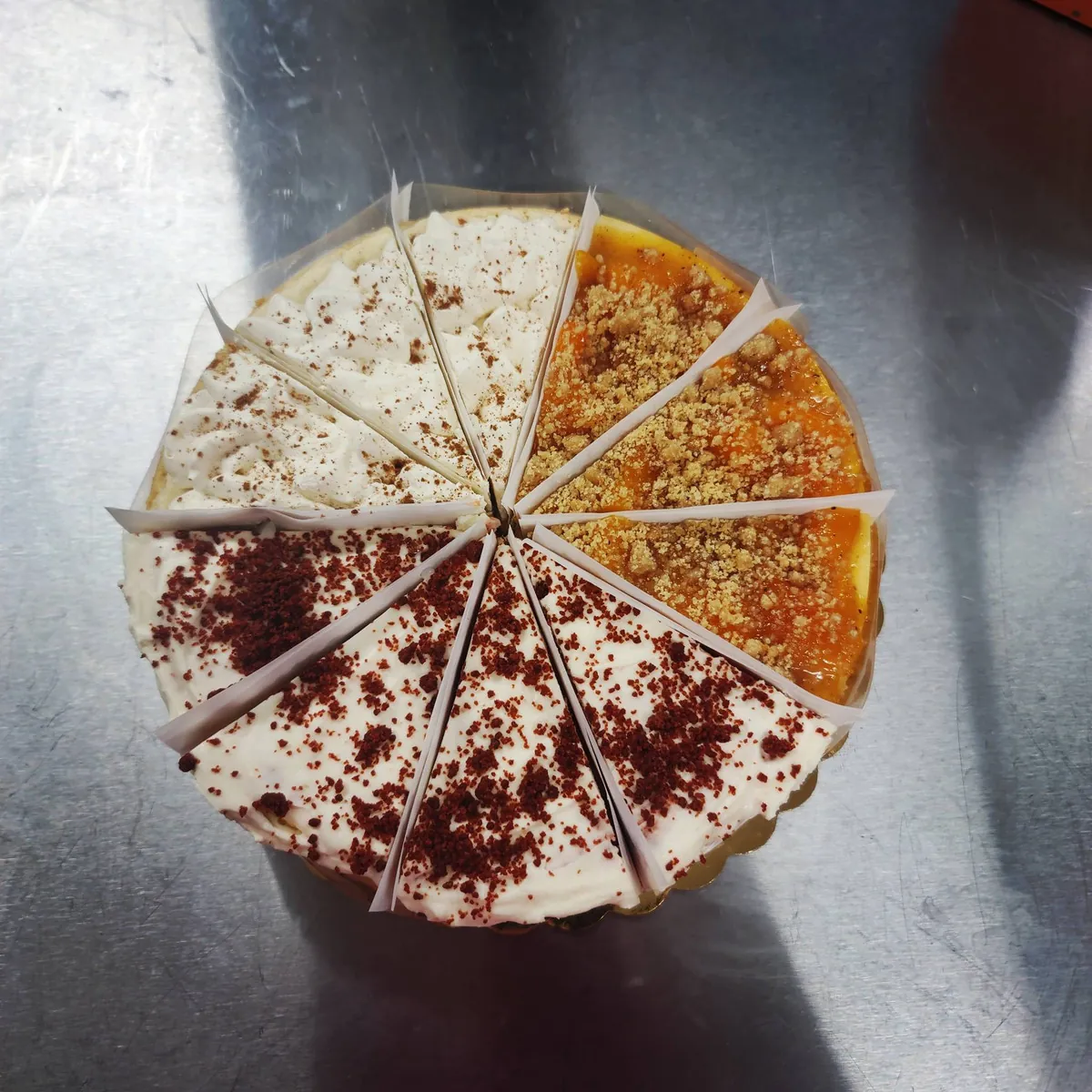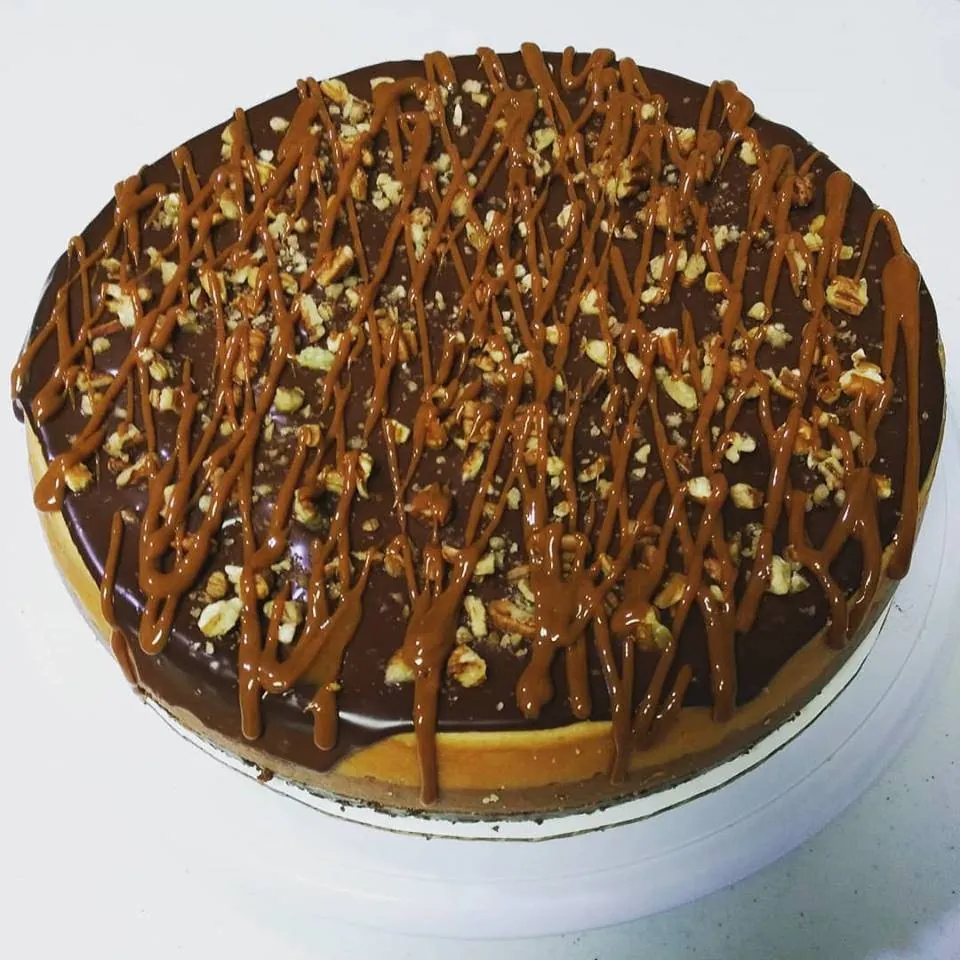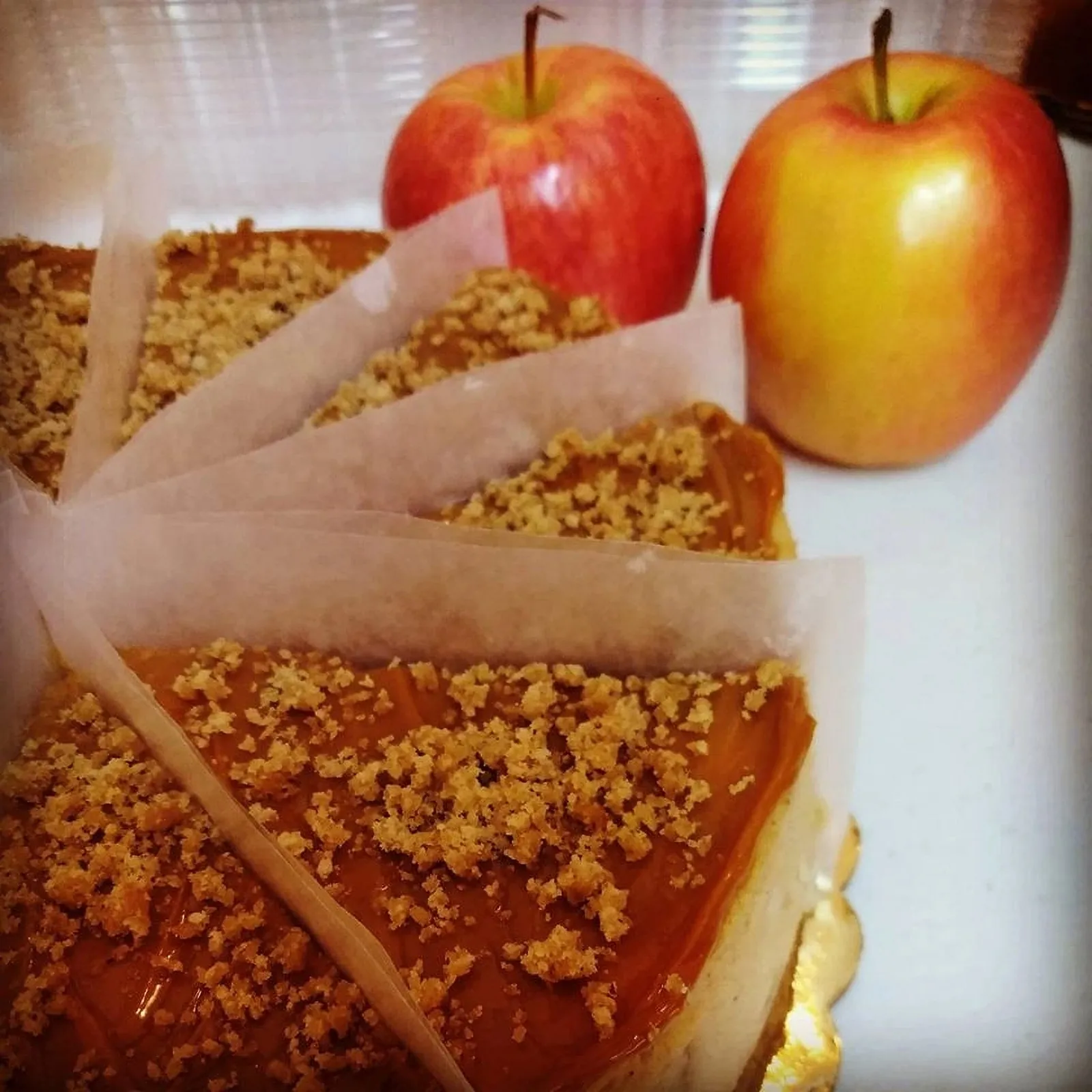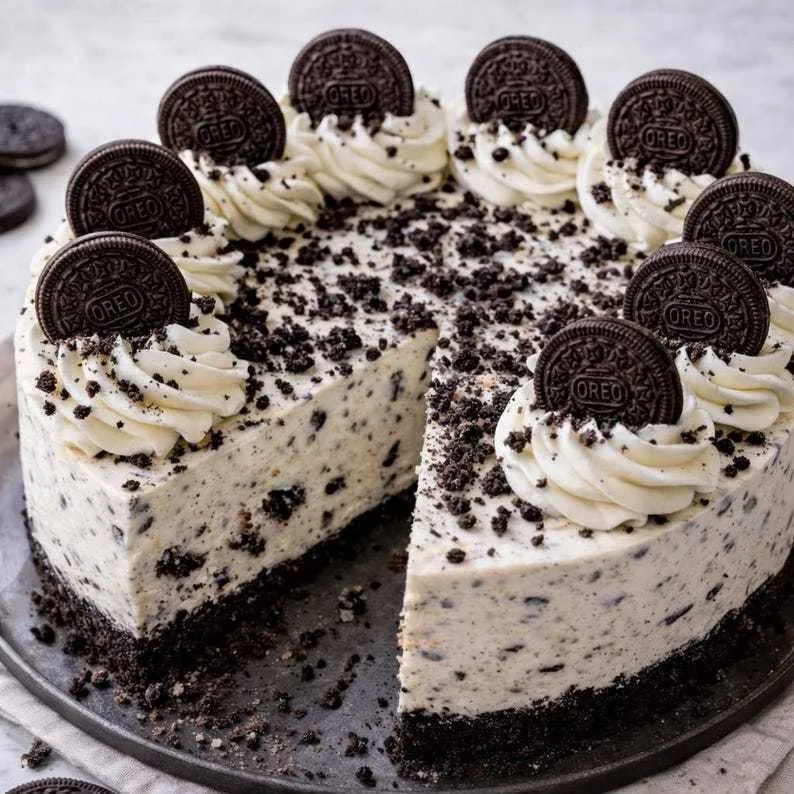
Shipping cheesecake is absolutely possible, but it is not the same as mailing cookies. Cheesecake is dense, creamy, delicate around the edges, and temperature-sensitive. That means the job is not only getting it from one address to another. The job is keeping the texture smooth, the crust protected, the topping in place, and the cake cold enough that the recipient feels good about serving it.
The short version: freeze the cheesecake solid, wrap it tightly, protect it from movement, pack it inside an insulated container with enough cold material, and choose a fast shipping service. The longer version matters because most shipping problems come from small shortcuts. A cake that was only half chilled, a box with too much empty space, or a weekend delay can turn a thoughtful gift into a mess.
This guide walks through how to ship cheesecake in a realistic way, including what to use, what to avoid, and when it makes more sense to order from a bakery that already ships cheesecake. If you want Cheesecake Carousel to handle the dessert instead of building a shipping project at home, start with the nationwide shipping options or browse the current cheesecake menu.
Start with the right cheesecake
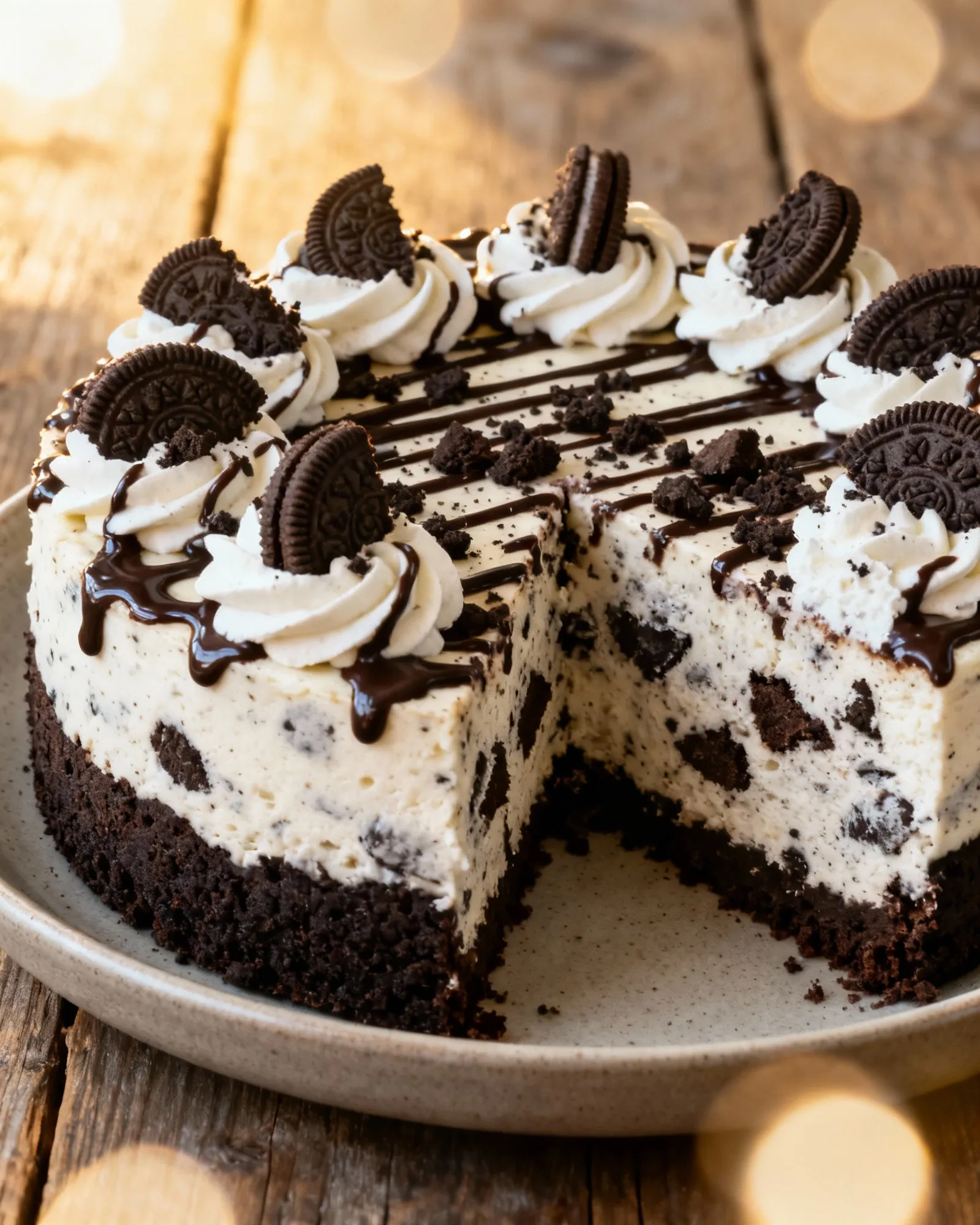
Not every cheesecake travels equally well. A plain or lightly topped whole cheesecake is usually easier to ship than one with tall whipped cream, loose fruit, fragile chocolate decorations, or sauce that can slide around as the cake thaws. Dense New York-style cheesecake is a strong candidate because it freezes well, holds its shape, and gives you a firmer structure to protect.
If the cheesecake has a fruit topping, caramel, ganache, or decorative finish, think about whether that topping can be packed separately. A topping cup may not feel as dramatic when you pack it, but it often looks better when the recipient adds it after the cake arrives. If the topping must stay on the cake, chill it thoroughly and avoid anything loose enough to shift under vibration.
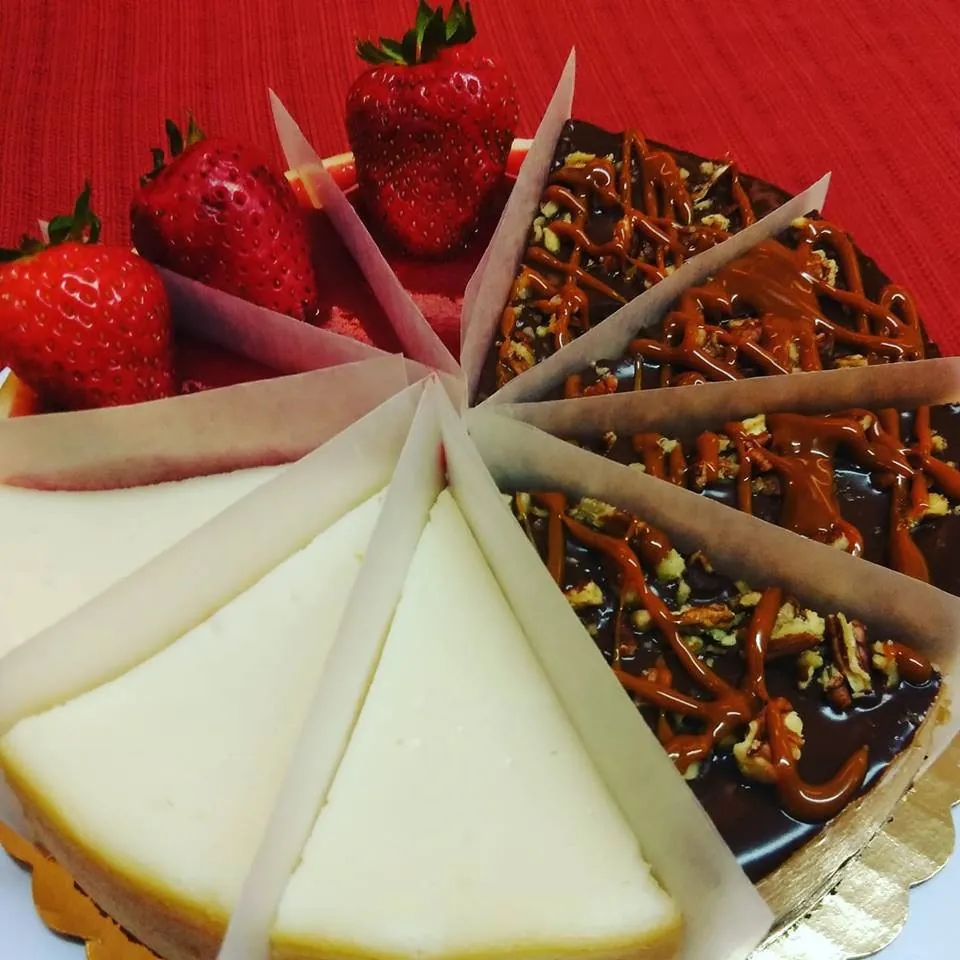
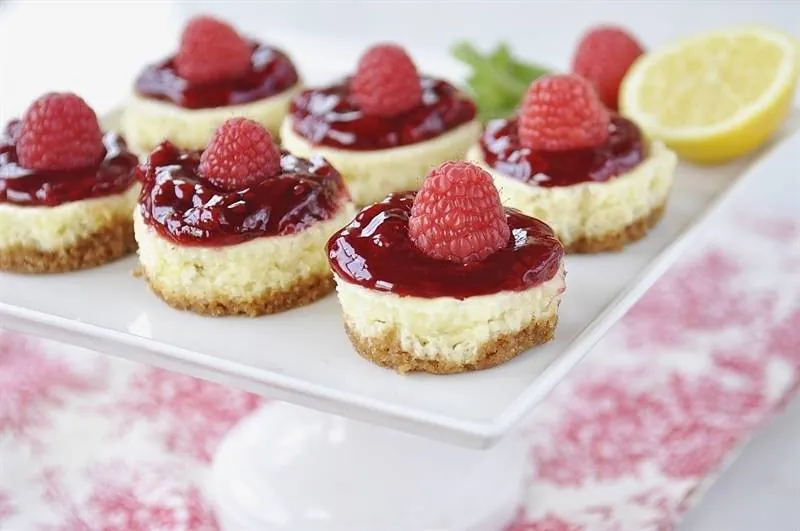
Size matters too. A whole cheesecake is heavy, and shipping weight affects cost. Mini cheesecakes, slices, and sampler packs can be easier to portion and protect, but they need their own cavities or dividers so they do not bump into each other. If presentation matters, choose the format that gives the dessert room to survive the trip.
Freeze it before you pack it
A cold cheesecake is not the same as a frozen cheesecake. If you are shipping a whole cheesecake, freezing gives you more margin. It helps the cake keep its shape while you wrap it, keeps the center colder longer, and reduces the chance that the sides smear against the wrapping.
Plan ahead and freeze the cheesecake uncovered just long enough for the surface to firm up before wrapping. Once firm, wrap it tightly in plastic wrap, then add a second protective layer such as foil or a freezer-safe bag. The goal is to keep air, moisture, and freezer odors away from the dessert while creating a smooth outer layer that will not pull up the surface when unwrapped.
Food safety is the reason the cold start matters. The FDA advises keeping refrigerator temperatures at or below 40 degrees F and freezer temperatures at 0 degrees F. The agency also says perishable foods should not sit at room temperature for more than two hours, or one hour when the temperature is above 90 degrees F. That is not a suggestion to panic; it is a reminder that cheesecake needs a real cold plan, not a hopeful box of ice packs. The FDA food storage guidance is a useful baseline when deciding whether a dessert stayed cold enough to serve.
Use insulation, not just ice packs
The box is part of the refrigeration system. A few frozen gel packs tossed into a normal cardboard box will not do much for a dense cheesecake. You need insulation that slows heat from getting in, plus cold material that keeps the inside of the package in the right range.
A sturdy insulated foam cooler or insulated shipper is usually the safest choice. UPS recommends insulated containers for frozen cakes and other foods that need to stay cool or frozen, and notes that thicker walls reduce the amount of coolant needed. For foods that should stay cold but not frozen, UPS points to gel packs; for frozen foods, dry ice is the colder option. UPS food shipping guidance also warns against regular ice because it is heavy and can leak as it melts.
For a home shipper, gel packs are simpler. They do not require the same handling rules as dry ice, and they work well when the goal is to keep a pre-frozen cheesecake cold during a short trip. Dry ice can help keep a cheesecake frozen longer, but it must be handled with gloves, allowed to vent, and labelled correctly. UPS says non-medical domestic air packages with 5.5 pounds or less of dry ice have specific outer-carton marking requirements, including naming dry ice and listing the amount. The UPS dry ice page is worth reading before you use it.
Pack for motion, not just temperature
Most people worry about melting. They should also worry about movement. A cheesecake can stay cold and still arrive with cracked edges, a crushed crust, or a topping pushed to one side if it has room to slide. Pack the cake as if the box will be tilted, stacked, and moved quickly, because it probably will.
Place the wrapped cheesecake in a snug cake box, then put that box inside the insulated container. Fill empty space with cushioning so the cake box cannot shift. Keep cold packs around the cheesecake rather than only underneath it. Cold material on top and around the sides helps protect the entire cake, not just the bottom crust.
If the cheesecake could release moisture as it thaws, use a liner and absorbent material inside the insulated shipper. FedEx recommends lining insulated containers for cold or frozen foods, placing coolants on all sides and on top, filling empty space, and using a corrugated outer box. FedEx perishable packing guidance is especially helpful if you want a step-by-step view of how carriers think about cold shipments.
Finally, tape the outer box well and mark it perishable. A label will not magically make a package cold, but it does make the contents clearer and gives the recipient a cue to open it right away.
Choose fast shipping and avoid weekends
Timing is where many cheesecake shipments fail. Even a well-packed frozen cake has limits. Ship early in the week so the box does not sit in a warehouse over the weekend. Avoid holidays, extreme heat waves, and delivery dates when the recipient may be out of town. The best package is still a problem if no one opens it for six hours on a porch in July.
UPS recommends planning for a maximum transit time of 30 hours for best results with perishables, with Next Day Air as the recommended service for many temperature-sensitive foods. That is a useful planning standard even if you use another carrier. Two-day shipping may work for some frozen items when the packaging has been tested for that route, but overnight is usually the safer choice for a home-packed cheesecake.
Tell the recipient the tracking number and delivery window. Ask them to refrigerate the cheesecake immediately, even if they plan to serve it later. This is where a shipped dessert becomes a coordinated handoff, not a surprise that sits outside until dinner.
What to do when the cheesecake arrives
The recipient should open the box promptly and check three things: temperature, packaging condition, and texture. The cheesecake should still feel cold. It may be frozen, partly frozen, or refrigerator-cold depending on the method and route. If the package is damaged, leaking, unusually warm, or smells off, it should not be served.
The USDA gives a simple mail-order food safety rule: perishable foods should not be held in the 40 to 140 degree F danger zone for more than two hours. If a food arrives warm and there is no way to know how long it has been warm, the safe answer is to throw it out. The USDA mail-order food safety guidance is blunt for a reason: appearance and smell do not prove a perishable food is safe.
If the cheesecake arrives cold and intact, refrigerate it to thaw slowly. A whole frozen cheesecake usually slices better after a controlled thaw in the refrigerator instead of a rush on the counter. Keep it covered so the surface does not dry out and so it does not pick up refrigerator odors.
How much does shipping cheesecake cost?
The honest answer is that shipping cheesecake often costs more than people expect. You are paying for a heavy dessert, an insulated container, cold packs or dry ice, a sturdy outer box, and faster transit. The cheapest shipping choice is rarely the best choice for a perishable gift.
That is why commercially shipped cheesecakes often carry a premium. The price includes more than the cake. It includes packaging that has been chosen for that product, timing that matches the bakery's shipping schedule, and a process that is repeatable. Bake Me A Wish, for example, positions cheesecake delivery around next-day nationwide delivery and gift presentation, which shows how much the shipping experience matters when the dessert is a present. That cheesecake delivery page is a useful snapshot of how national dessert shippers frame convenience and gifting.
If you are shipping one homemade cheesecake to one person, the cost may be worth it because the gift is personal. If you need dessert for a company, wedding weekend, client thank-you, or family celebration, ordering from a bakery can save time and reduce risk.
When to let the bakery handle it
Ship it yourself when the cheesecake is homemade, the recipient understands the plan, and you can afford overnight service with proper packaging. Let a bakery handle it when the dessert needs to look polished, arrive predictably, or represent your business well.
Cheesecake Carousel helps in two different ways. For out-of-town gifts, the shipping page shows current ship-ready cheesecake options. For Charlotte-area celebrations, office treats, weddings, and larger dessert tables, the local path is usually better: order for pickup, plan catering, or use the dessert truck. That lets the cheesecake arrive as dessert, not as a packaging experiment.
If you are planning for a group, think beyond the single whole cake. Minis, truffles, squares, samplers, and whole cheesecakes can all solve different serving problems. The right choice depends on guest count, serving style, travel distance, and whether someone needs to slice and plate dessert on site. Use the contact page when you need help matching the dessert format to the occasion.
A simple shipping checklist
Use this checklist before you send a cheesecake. First, choose a dense cheesecake that can freeze cleanly. Second, freeze it solid and wrap it tightly. Third, put the wrapped cake in a snug cake box. Fourth, place that box in an insulated shipper with cold packs or properly handled dry ice. Fifth, fill every gap so the cake cannot move. Sixth, use a fast service and ship early in the week. Seventh, send tracking to the recipient and ask them to refrigerate the cake as soon as it arrives.
That may sound like a lot for one dessert, but cheesecake is worth treating carefully. The whole point of shipping it is to give someone a rich, creamy, celebration-worthy slice. A little planning protects the gift, the texture, and the moment.
Frequently asked questions
Can cheesecake be shipped safely?
Yes, cheesecake can be shipped safely when it is chilled or frozen first, packed in an insulated container, kept cold with the right refrigerant, and sent quickly enough that it does not sit warm in transit.
Should cheesecake be shipped frozen or refrigerated?
For most whole cheesecakes, frozen is the safer starting point because it gives the package more cold time in transit. Refrigerated shipping can work for short routes with gel packs, but frozen packing is usually more forgiving.
What is the safest way to receive a shipped cheesecake?
Open the box as soon as it arrives, check that the cheesecake is still cold, then refrigerate or freeze it right away. If it arrives warm or the packaging is damaged, do not serve it.
When is it better to order from a bakery instead of shipping one yourself?
Use a bakery when the cheesecake is a gift, a celebration dessert, or a business order where presentation matters. The packaging, timing, and cold-chain details are easier to trust when the bakery already ships that product.