For 100 guests, the right dessert count is usually not exactly 100. The better number depends on whether dessert follows a full meal, how long the event lasts, what else is on the table, and whether guests can choose more than one small treat. A little planning up front gives everyone a real dessert option without leaving the host with a table full of untouched extras.
Start with the kind of dessert moment you are creating
Before you count portions, decide what dessert is doing at the event. A plated or clearly timed dessert after dinner calls for a different quantity than an open dessert table at a three-hour office celebration. When dessert is the main finish to a meal, most guests expect a serving. When it is one stop among drinks, appetizers, cake, or a late-night snack, some guests will pass while others will take a small bite.
For a 100-person event with dessert served after a meal, a practical starting point is 110 to 115 individual servings. That gives the table a modest cushion for bigger appetites, an extra guest, or a few people who want a second small treat. If dessert is the feature, not a side note, plan closer to 125 servings. The goal is not to force every person to eat dessert. It is to avoid making the last part of the room feel like they arrived too late.
The serving plan also needs to match the event schedule. A short lunch break usually favors easy individual portions that guests can grab without waiting. A seated dinner can support sliced whole cheesecakes and plates. A casual open house may call for a mixed table that gives people a reason to come back for a small second choice.
Use a simple serving range, then add a buffer
For most events, use one dessert serving per guest as the base. Add about 10 to 15 percent when dessert follows a meal and you want to be comfortably covered. That means 110 to 115 servings for 100 guests. It is a useful baseline for office lunches, wedding receptions, client events, and family celebrations where dessert is expected but not the entire event.
Move up to around 125 servings when guests will have a long service window, a younger crowd, a dessert-focused celebration, or a table filled with small bite-size choices. Minis, truffles, bars, cookies, and other one-or-two-bite treats invite guests to sample more than one item. In that setting, counting one small piece as a full dessert serving can leave the table short.
Move down only when there is a genuine reason. If the event includes a full meal, cake, several other sweets, or a late start that ends before dessert becomes a moment, 100 to 110 servings may be enough. Do not reduce the count simply because a few people may skip it. Large groups have a way of making the popular flavors disappear first.
Match the count to the cheesecake format
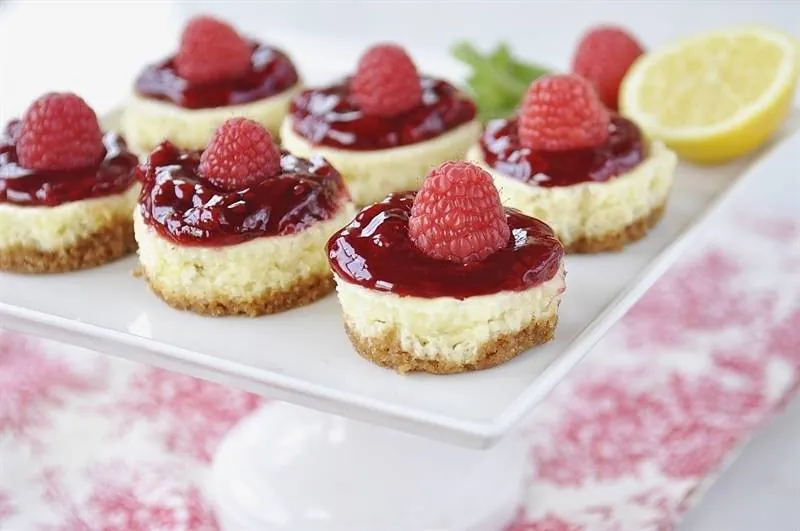
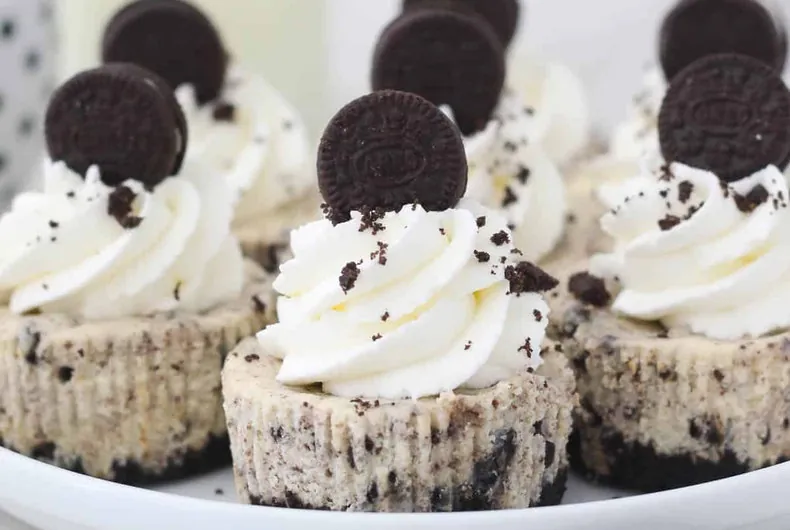
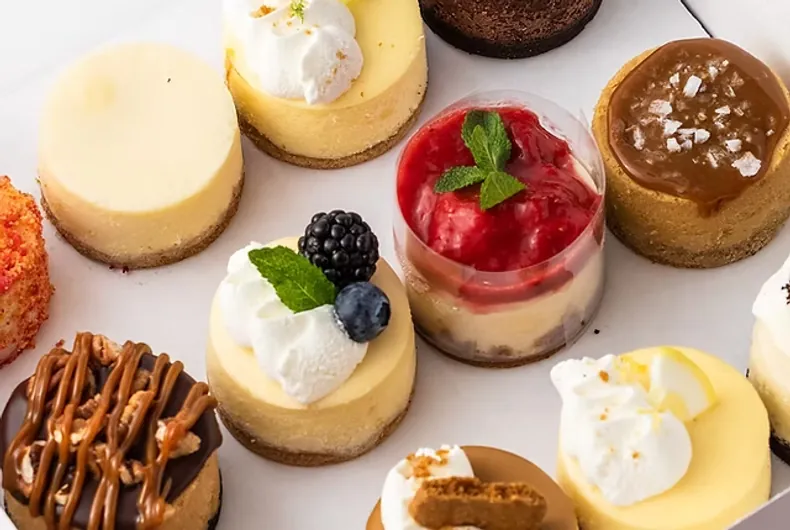
Individual desserts make the math easiest. For standard mini cheesecakes, decide whether one mini is a full serving or whether guests will naturally take two. If the minis are truly bite-size, plan two per guest for a dessert-only table, then add the same 10 to 15 percent buffer. For 100 guests, that can mean 220 to 230 bite-size minis. If each mini is more substantial, one per guest plus a buffer may be enough.
Cheesecake truffles work best as part of a mix. They are easy to pick up, but they are usually a smaller treat than a plated slice. A table with truffles, minis, and a few whole cheesecakes gives guests choice without requiring every person to commit to the same portion size. In that format, count the total number of small portions, not only the number of trays or boxes.
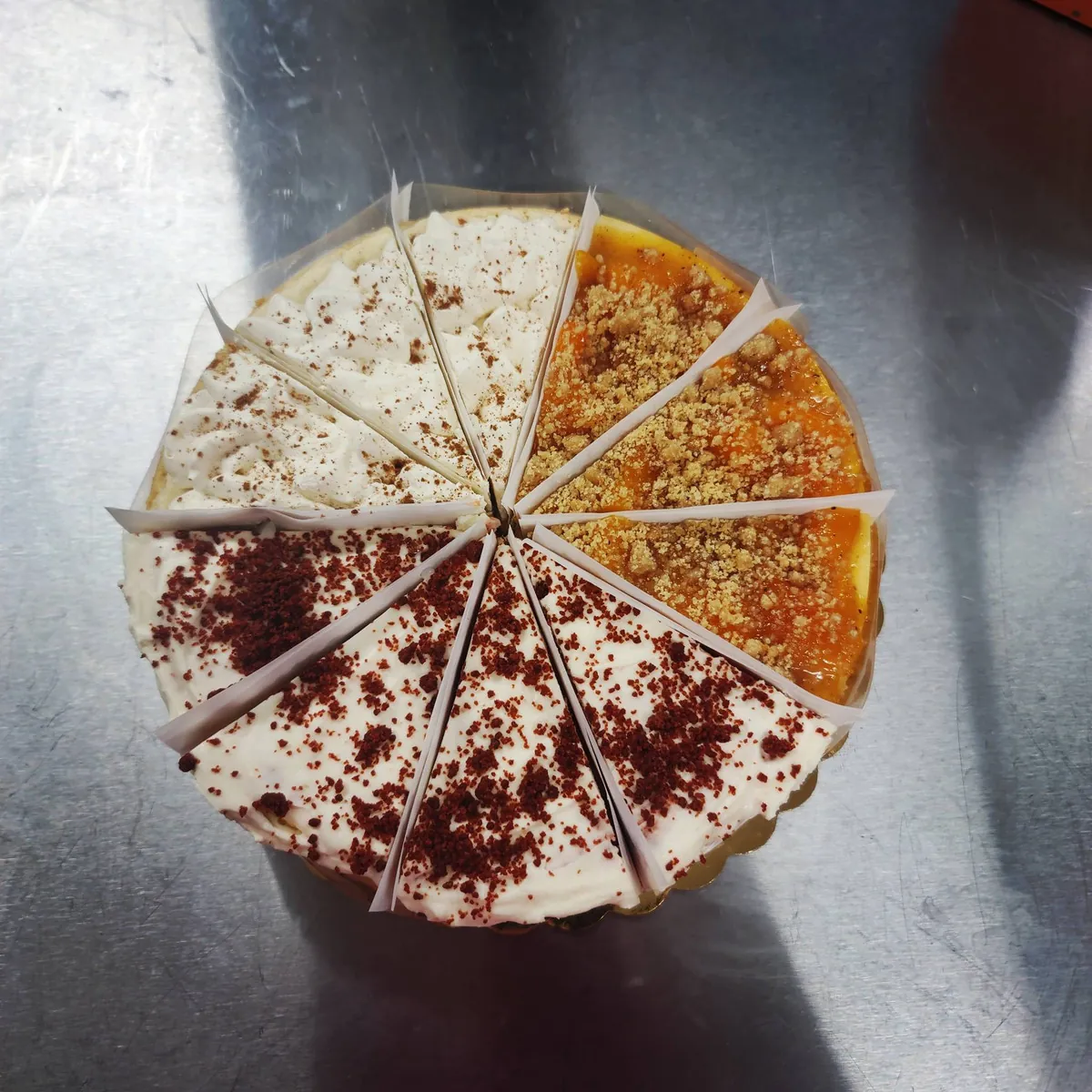
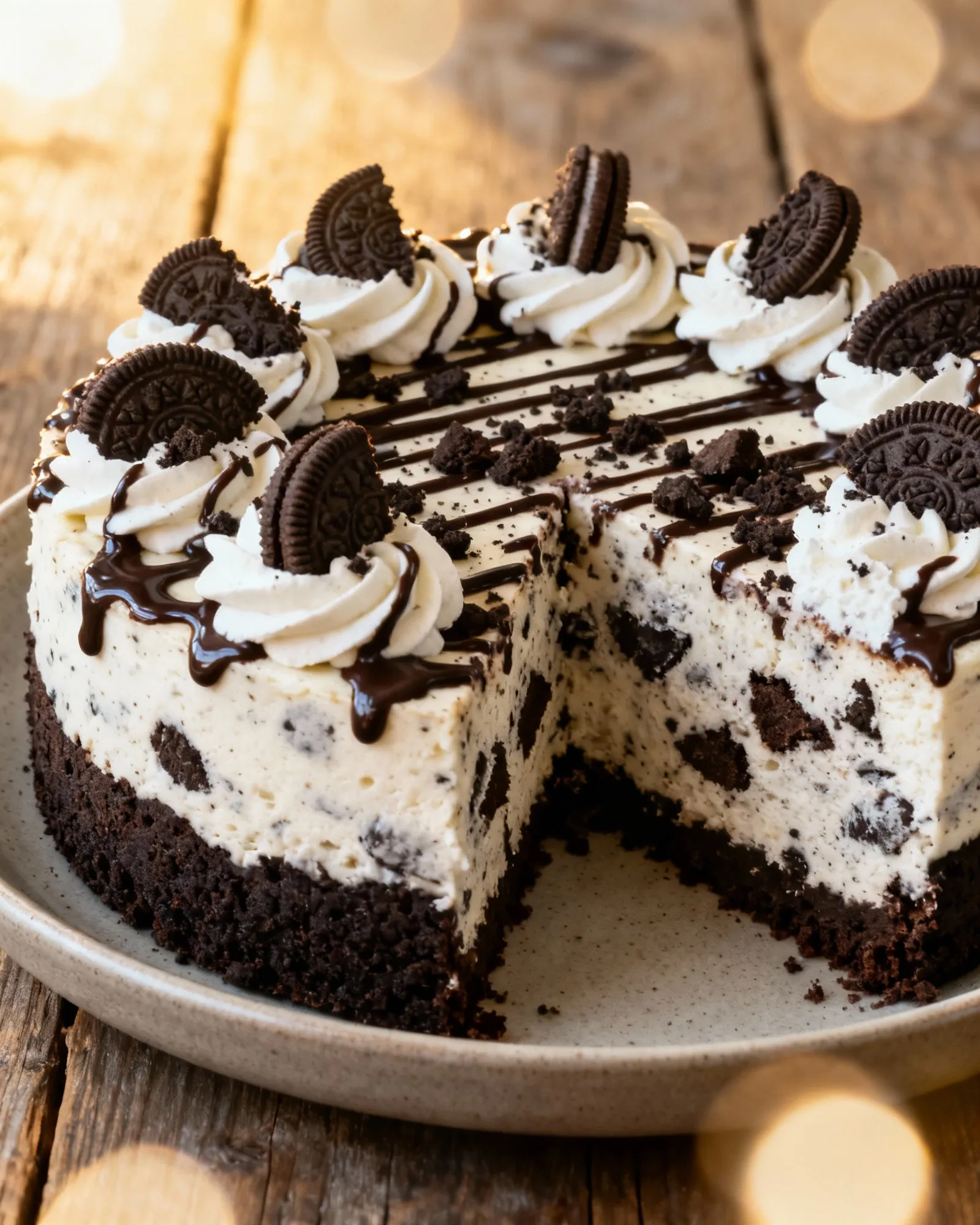
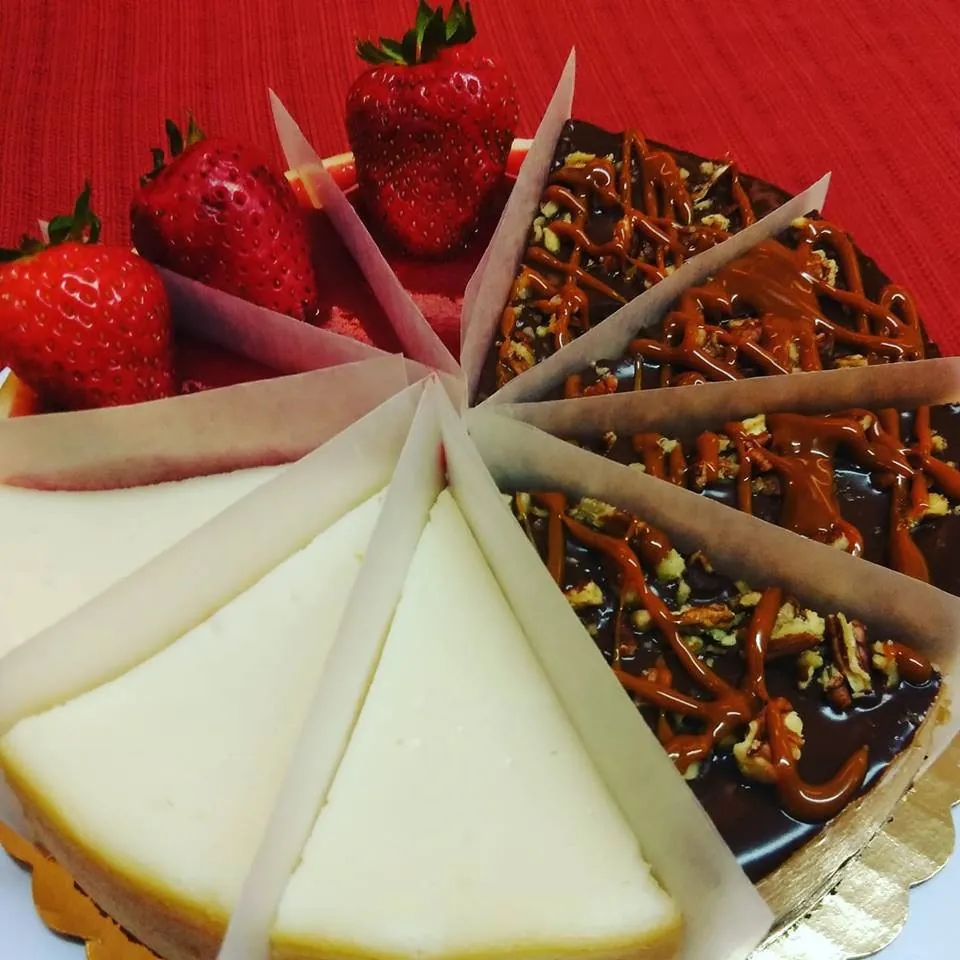
Whole cheesecakes create a more traditional dessert moment, but slicing is part of the plan. Ask the bakery how many servings the selected cake size is intended to provide, then round up rather than trying to stretch the last cake into overly thin pieces. Whole cakes are a strong fit for seated dinners, leadership meetings, and receptions where someone can serve dessert. For an event where guests arrive in waves, pair whole cakes with individual treats so no one has to wait for a slice.
Plan for guest behavior, not just the guest list
A guest list tells you how many people could eat dessert. The event flow tells you how many probably will. Think about the time of day, whether alcohol is being served, whether guests have a place to sit, and how visible the dessert table will be. A beautiful table near the exit can get picked over quickly. A table hidden in another room can leave you with more leftovers than expected.
For office events, shift schedules matter. If 100 people are invited but they cannot all take a break at the same time, individual portions hold up better than one fast dessert rush. For a wedding, consider whether dessert opens right after dinner or later in the evening. A late-night dessert table may need more small treats because guests are moving, dancing, and deciding on the spot whether to grab one more bite.
Also consider the group itself. Families with children may move faster through minis and truffles than a formal business dinner. A group that knows there will be a full meal may save room for one good slice. These are not rules that need to make the planning complicated. They are the details that help a dessert table feel generous instead of guessed at.

Three dessert plans for 100 guests
For a sit-down dinner: plan 110 to 115 full dessert servings. This can be built around whole cheesecakes, with enough cakes to cover the bakery's stated servings plus a small buffer. Add a modest tray of minis or truffles if you want an easy option for guests who prefer a smaller bite or a second flavor. This approach keeps the table classic and straightforward.
For an office appreciation event: plan 120 to 125 individual servings. Use mostly minis, truffles, or other easy-to-hold treats so guests can participate around meetings, shifts, and conversations. A few whole cheesecakes can add a centerpiece, but the individual options should carry the count. This approach works well when dessert is available over a longer window rather than at one seated moment.
For a mixed dessert table: plan 125 to 140 small portions across two or three formats. For example, a table might include individual minis, truffles, and a few whole cheesecakes for guests who want a plated slice. The exact mix should reflect the bakery's serving sizes, but the planning principle stays the same: count every small portion, give guests enough variety to choose confidently, and do not let one flavor become the only option.
Keep the flavor selection focused. For 100 guests, two or three familiar flavors plus one distinctive option is usually more useful than a crowded table with too many tiny batches. A clear mix lets guests decide quickly and helps the host avoid a table where the popular choices disappear while the unusual ones remain untouched.
Avoid waste without making the table feel skimpy
A buffer does not have to mean waste. Choose desserts that can be boxed, refrigerated, and enjoyed after the event when the format allows it. Ask the bakery about storage and serving guidance before the event so the host knows what can stay on the table and what should be held back until later. Putting out the entire order at once is not always the best move.
For longer events, keep a portion of the desserts chilled and replenish the table in stages. The display stays fresh, guests still see abundance, and you have more control over what is actually being eaten. This is especially useful for cheesecake, which should stay cold until it is ready to be served.
If the event has specific dietary needs, confirm them early and keep those options clearly labeled. The bakery's allergen-friendly options can help you start that conversation, but the final count should be based on confirmed guests and the service plan, not a last-minute guess.
Do a final count before you place the order
Before you finalize the order, write down the total number of dessert portions, not just the number of boxes or cakes. Include every mini, truffle, slice, and other individual dessert in one total. Then compare it with the guest count and the event style you decided on. This quick check catches the common mistake of ordering a beautiful variety that adds up to fewer servings than the room actually needs.
It also helps to identify the role of each item. A whole cheesecake may be the centerpiece, while minis keep the line moving and truffles give guests a small second choice. When each format has a job, the order feels intentional. You are not ordering three kinds of dessert just to fill a table. You are giving 100 people an easy way to enjoy the moment without making serving complicated.
Finally, confirm the practical details with the venue or office. Make sure there is room to hold cheesecake cold before service, a stable table for the display, and enough napkins or plates for the format you chose. If someone else is receiving the order, share the timing and storage plan with them in advance. A good dessert count is only useful when the dessert is ready to serve at the right moment.
Let the meal plan guide the dessert plan
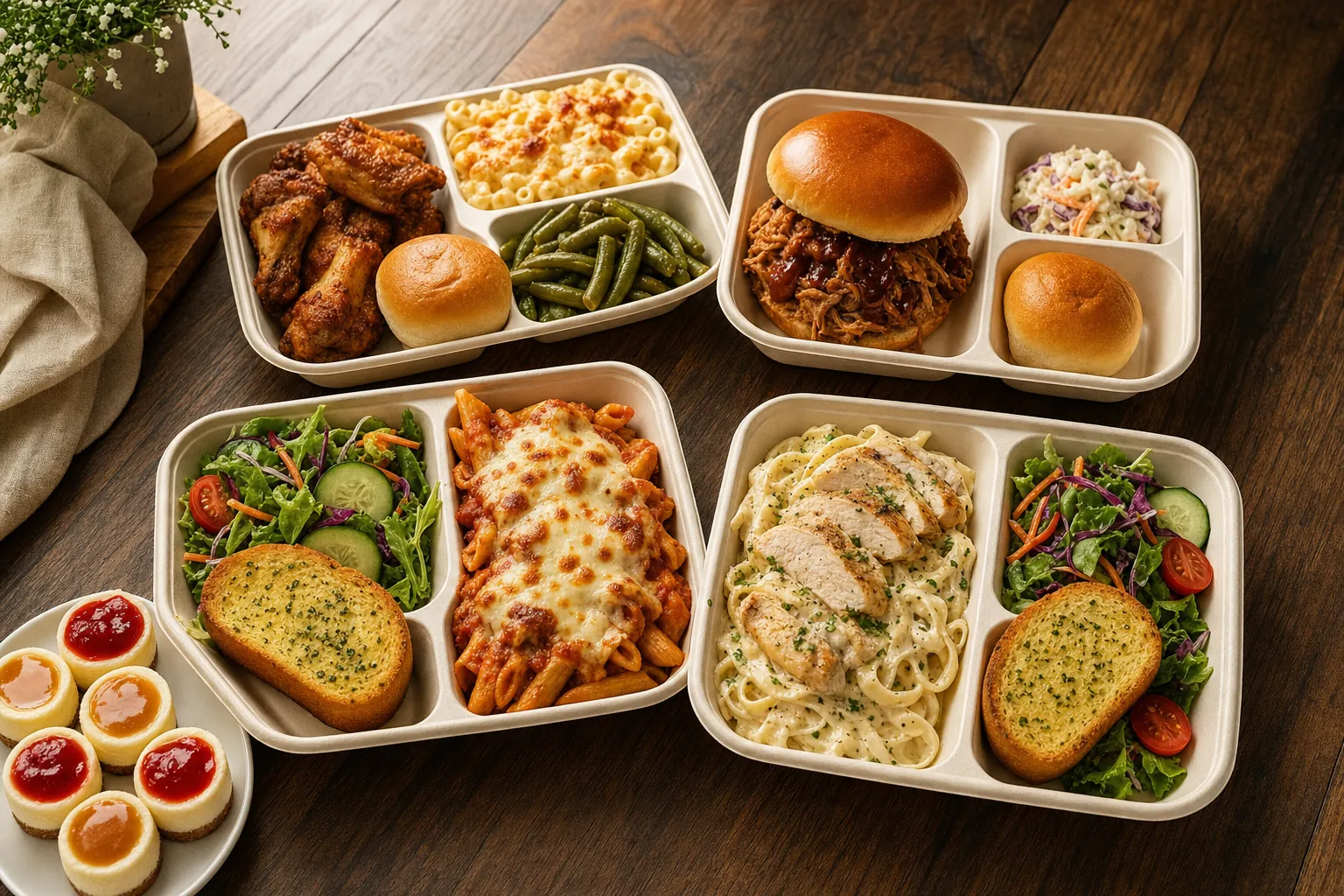
If your event includes food, plan dessert as the finish to the whole experience instead of treating it as a separate order. A filling lunch, a light reception spread, and a late-afternoon snack each leave guests with a different appetite for cheesecake. For an office lunch or client event, the food catering options can help you think through the main meal before you decide how many dessert portions belong at the end.
For celebrations built around recognition, keep the dessert format easy enough that people can enjoy it without leaving the moment. The bakery's employee appreciation event guide is a useful companion when the event needs to work around meetings or shifts. For a wedding or reception, the wedding dessert guide can help you decide whether cheesecake is a center-of-table moment, part of a larger display, or a late-night treat.
When you are choosing between one large cake and a mixed dessert table, it also helps to compare serving styles before ordering. The mini versus full-size cheesecake guide walks through the practical difference. The right count starts with the right format, then gives the group enough of it.
Make the bakery inquiry easy to answer
A good dessert order starts with four details: the event date, the guest count, the service time, and the style of dessert you want. Add whether people will be seated, walking around, or stopping by in waves. That gives the bakery enough context to recommend a mix of whole cheesecakes, minis, truffles, or other treats that fits the occasion.
Cheesecake Carousel can help Charlotte-area hosts turn a headcount into a dessert plan for office celebrations, client events, weddings, and family gatherings. Start with the catering and events options, browse the current menu, or use the contact page when you have a date and guest count ready. For a dessert truck experience, the booking page is the right next step.
Frequently asked questions
Is 100 desserts enough for 100 guests?
It can be enough when dessert follows a full meal and there are other sweets available, but 110 to 115 servings is a more comfortable starting point for most events. Use a larger buffer when guests will choose from several small treats or dessert is a central part of the celebration.
How many mini cheesecakes should I order for 100 guests?
It depends on the size of each mini. If each one is a full individual serving, start with 110 to 115. If they are bite-size and guests may take two, plan about 220 to 230 minis, then adjust for the rest of the dessert table.
Should I serve whole cheesecakes or individual desserts for 100 guests?
Individual desserts are usually easier when guests are standing, arriving in waves, or moving through an office or reception. Whole cheesecakes work well for a seated dessert moment, and a mix of both can give the table a centerpiece plus quick grab-and-go options.
How many dessert flavors should I choose for 100 guests?
Two or three familiar flavors plus one distinctive option is often a strong mix. It gives guests a choice without making the table hard to explain, serve, or replenish.