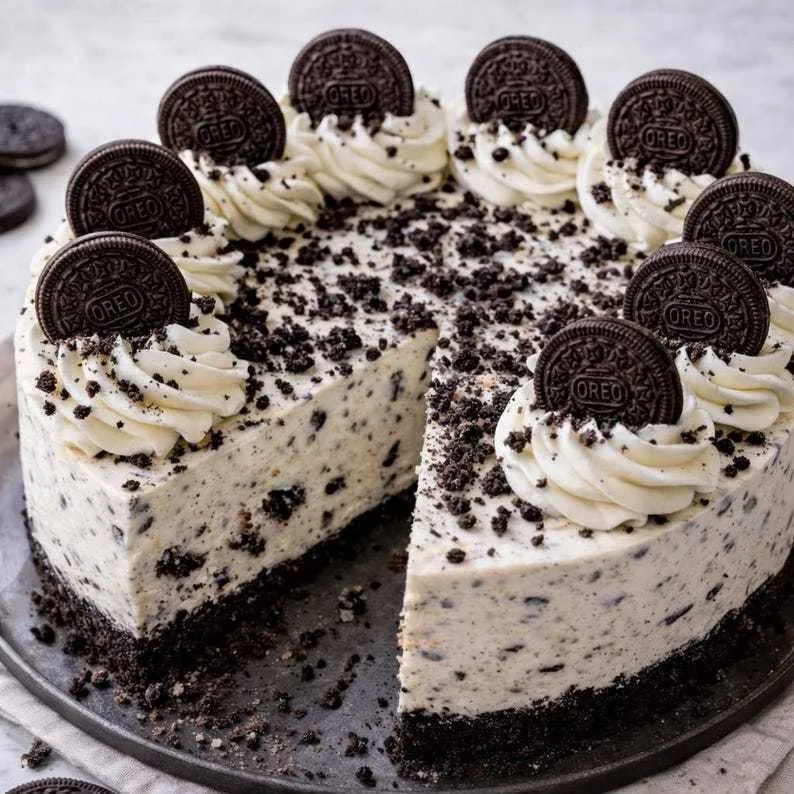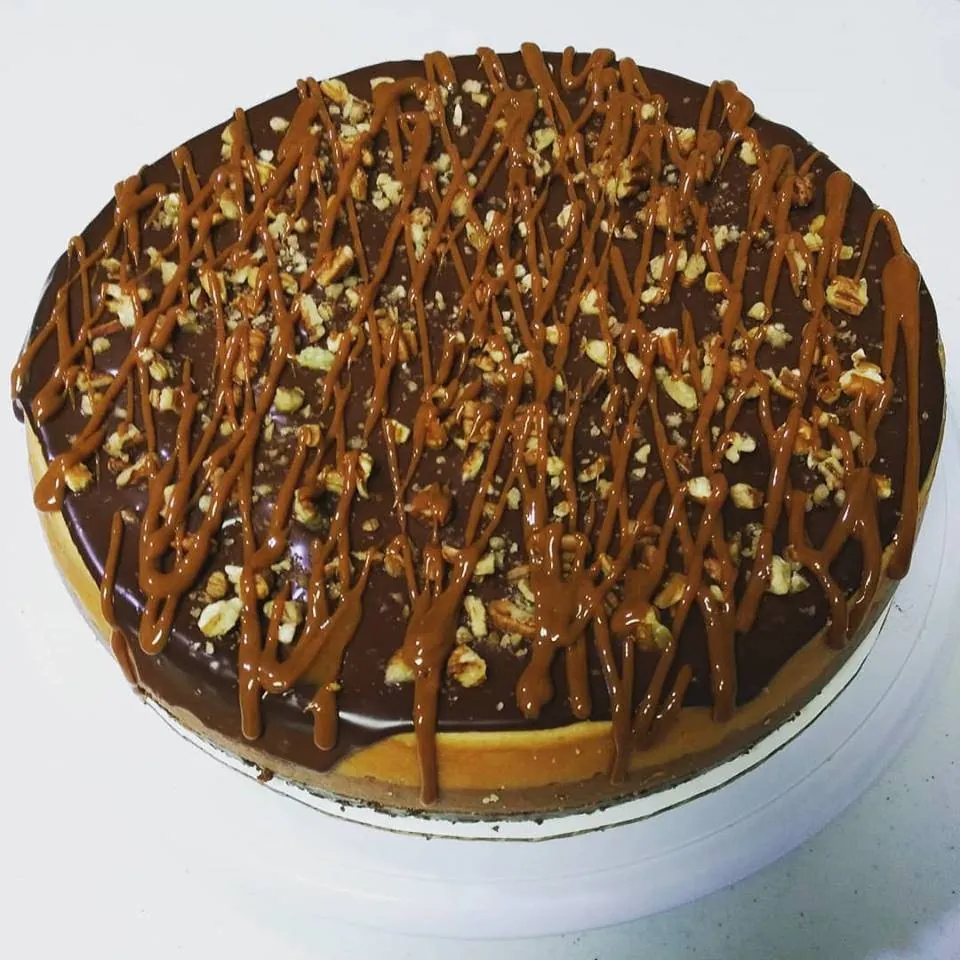
Cheesecake has a way of creating leftovers people want to protect. A whole cake can outlast a birthday, a few slices can wait after a dinner party, and a shipped dessert may arrive before the celebration. The useful question is not just whether cheesecake still looks good. It is how long it stays safe, creamy, and worth serving.
The safest everyday answer is simple: refrigerate cheesecake promptly, keep it covered, and plan to finish it within three to four days. If that timeline does not fit the occasion, freeze it while it is still in good shape. Those habits protect both food safety and the smooth, dense texture that makes cheesecake feel like cheesecake.
This guide covers how long cheesecake lasts in the fridge, what to do after it has been left out, how freezing changes the plan, and how to store a whole cake or single slices without drying them out. For a fresh order, browse the current cheesecake menu, arrange pickup or delivery details, or see ship-ready cheesecake options.
The short answer: three to four days in the fridge
Cheesecake belongs in the refrigerator. It is made with dairy and usually eggs, so it is not the kind of cake that can sit on the counter for days. A conservative three-to-four-day refrigerator window is the easiest rule to remember for leftover cheesecake, whether it came from a bakery, a home kitchen, or a celebration table.
That window assumes the cheesecake has stayed refrigerated at 40 degrees F or below. The U.S. cold food storage guidance uses that temperature as the refrigerator baseline and recommends short refrigerator timelines for ready-to-eat leftovers. Some recipes and bakery guides may suggest a longer freshness window, especially for a plain, well-wrapped cheesecake, but a shorter plan gives you a clearer safety margin.
Start counting from the day the cheesecake was made, bought, or fully thawed. A cake that has already spent a day at an event and another day in the refrigerator does not get a fresh four-day clock when you bring it home. This is especially important for cheesecakes with fresh fruit, whipped cream, custard-like sauces, or delicate toppings. The topping can become the limiting factor before the cheesecake itself does.
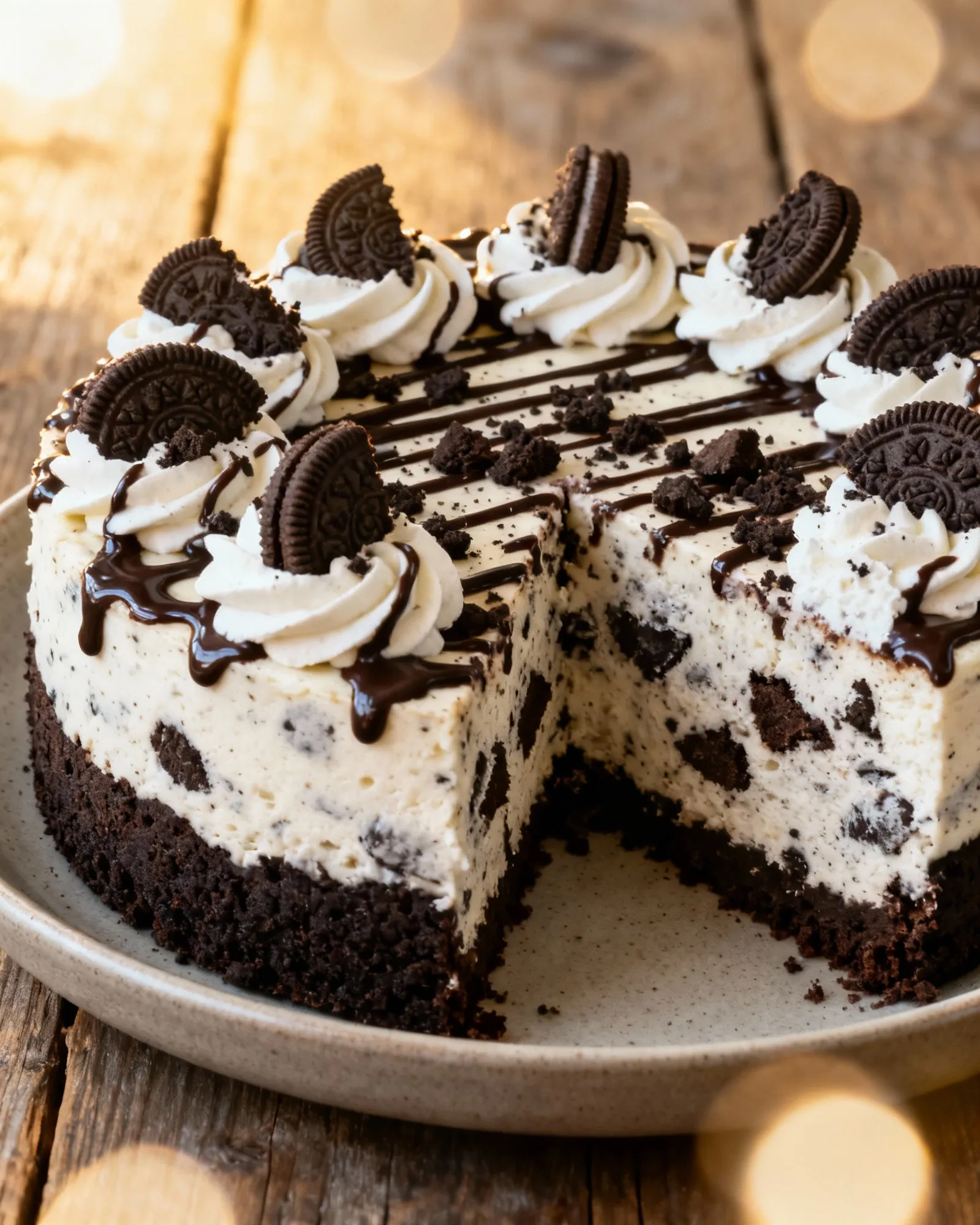
Keep it cold, covered, and away from strong smells
Cold temperature is the first job. Covering is the second. Cheesecake can dry out around the cut edge and absorb refrigerator odors if it is left exposed. A cake box alone is not always enough, especially once the cake has been sliced. Use a cake keeper, an airtight container, or a snug layer of plastic wrap over the cut surface and pan.
For a whole plain cheesecake, cover the pan or cake board without pressing hard into the surface. For individual slices, use a container with a lid or wrap each slice so the creamy edge is protected. Keep sauces, berries, whipped cream, and crunchy garnishes separate when possible. That makes it easier to store the cheesecake well and to plate it so it still looks intentional on day two or three.
Placement in the refrigerator matters more than people think. Put cheesecake on a stable shelf rather than in a door that warms each time it opens. Avoid crowding it beside uncovered onions, garlic, seafood, or takeout containers with strong aromas. A beautifully made cheesecake can pick up a surprising amount of refrigerator flavor, and no one wants a strawberry slice with a faint onion note.
How long can cheesecake sit out?
Cheesecake can sit out long enough to serve, slice, and enjoy. It should not become a centerpiece that stays at room temperature all afternoon. The FDA’s food-storage guidance says perishable food should not stay at room temperature for more than two hours, or more than one hour when the temperature is above 90 degrees F. Cheesecake fits that perishable category.
For a party, bring out only the amount you expect guests to eat soon and return the rest to the refrigerator. If you are serving outdoors in Charlotte heat, treat the one-hour rule seriously. Shade helps the cake look better, but it does not turn a dairy dessert into a shelf-stable one.
What about cheesecake left out overnight? The answer is not “give it a sniff and see.” Time at an unsafe temperature is the problem, and you cannot reliably judge that by appearance. If cheesecake spent the night on the counter, discard it. It is disappointing, but it is cheaper than making a guest sick.

Freeze it when you will not finish it soon
Freezing is the right move when you know the cheesecake will not be eaten within the refrigerator window. A well-made cheesecake freezes better than many people expect because its dense filling holds together nicely when it is chilled, wrapped, and thawed with patience. The key is to freeze it while it is still fresh, not after it has been forgotten in the refrigerator for a week.
Start by chilling the cheesecake completely in the refrigerator so it is firm enough to handle. If it has a soft topping, loose fruit, or a tall swirl of whipped cream, consider removing or adding that element after thawing. Once the cake is cold and firm, wrap it tightly in plastic wrap, then add another protective layer such as foil or a freezer-safe bag. The goal is to keep air away from the surface and prevent freezer burn.
The USDA’s freezing guidance explains the useful distinction: food kept continuously frozen stays safe, while freezer timelines are mostly about quality. For cheesecake, the practical target is to enjoy it within one to three months, when the texture and flavor will be at their best. Label the package with the date so a future celebration does not turn into an archaeological dig through the freezer.
Whole cheesecake versus individual slices
A whole cheesecake is easier to protect from drying out because there are fewer exposed edges. Keep it on its base or in the pan, cover it well, and make sure it sits level in the refrigerator or freezer. This is a strong option when you are saving a cake for a weekend gathering, a holiday meal, or a few planned servings.
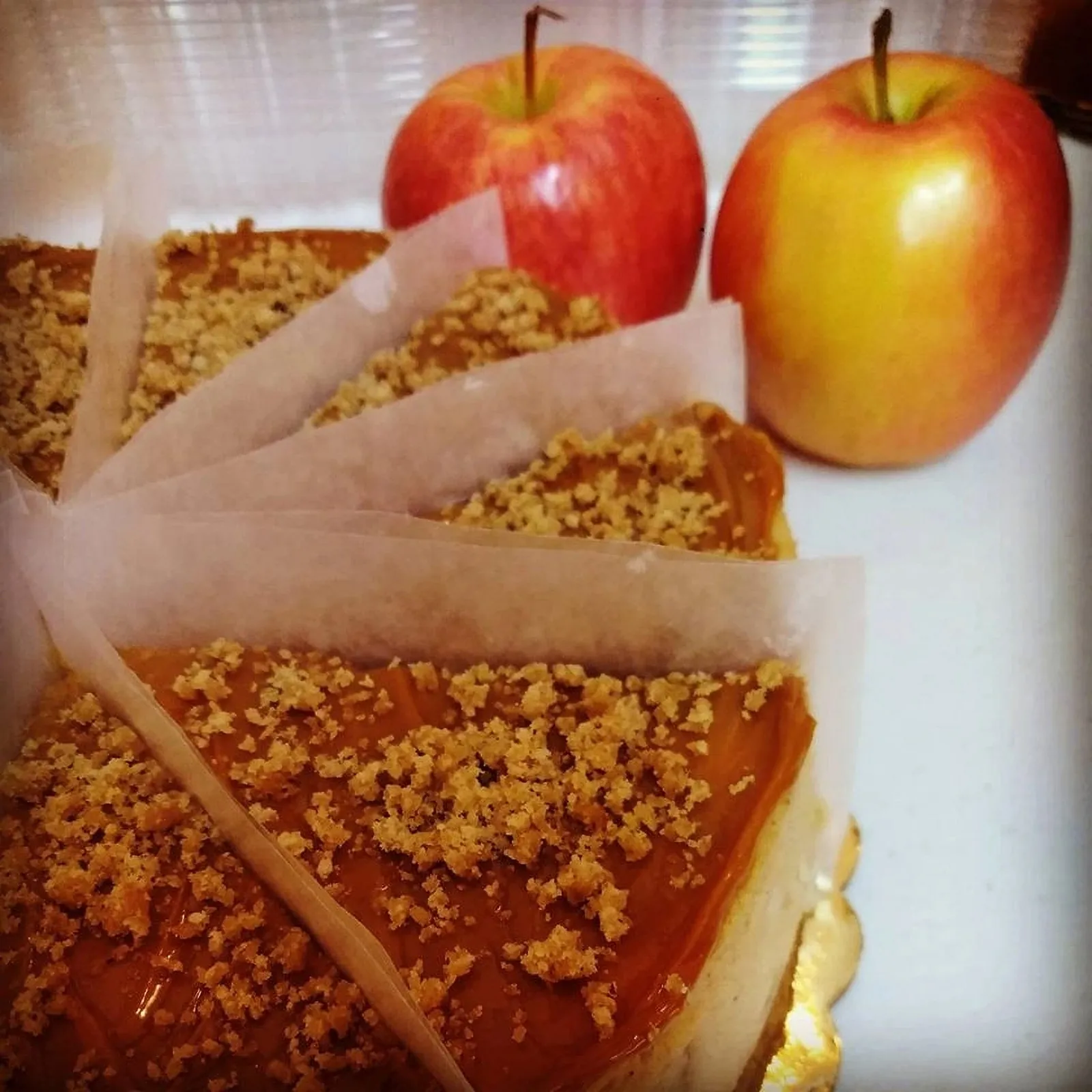
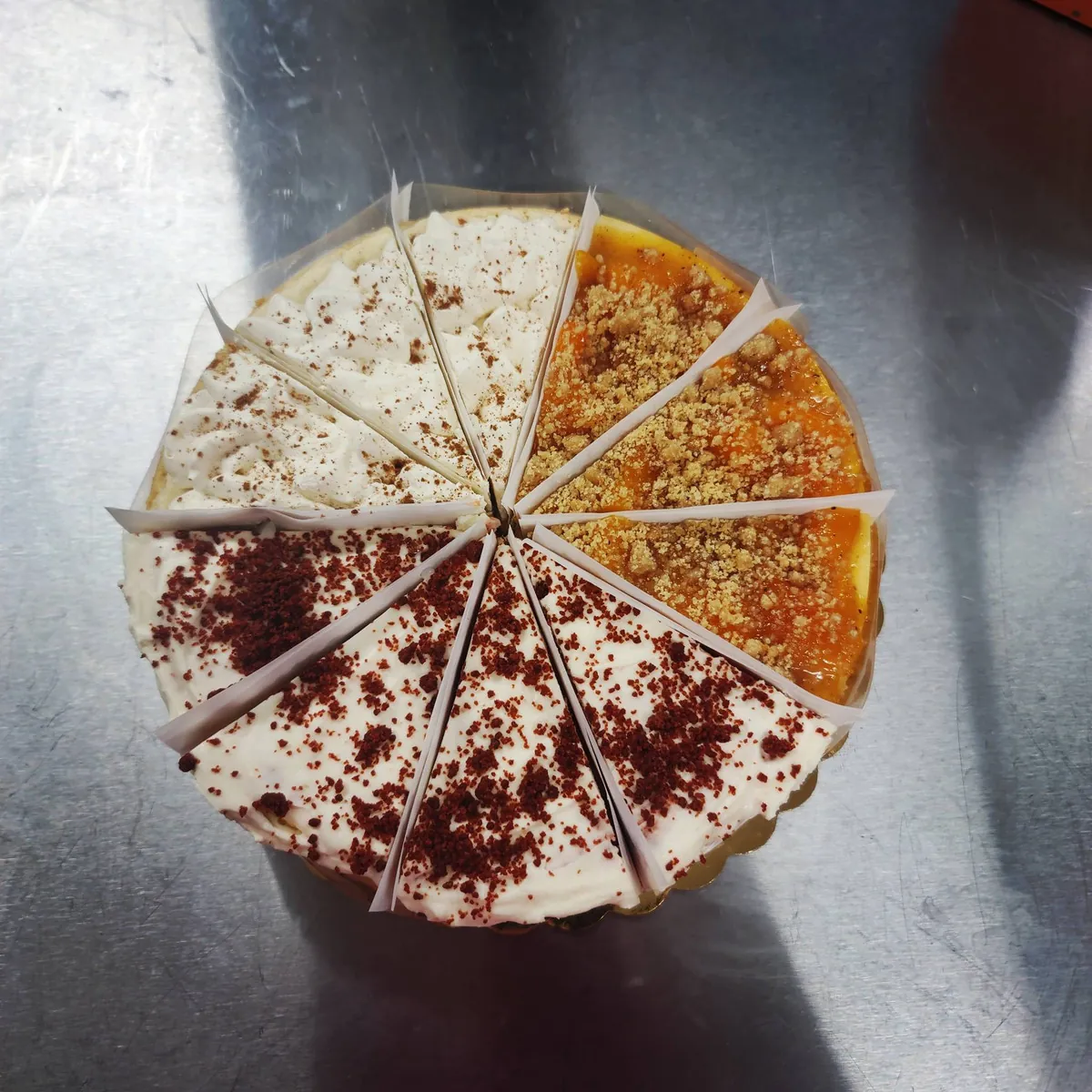
Individual slices are more flexible. They thaw faster, make portion control simple, and let you save a few servings without committing to the entire cake. Place parchment between slices if they will touch, then wrap or containerize them so they do not stick together. This works especially well for samplers, mini cheesecakes, and a household where everyone wants a different flavor.
The tradeoff is that slices have more exposed surface area. They need tighter wrapping and should be eaten sooner once thawed. If the cheesecake is already cut, press the wrap gently against the cut side or use a snug container. That small step keeps the edge from drying into a dull, leathery layer while the center stays creamy.
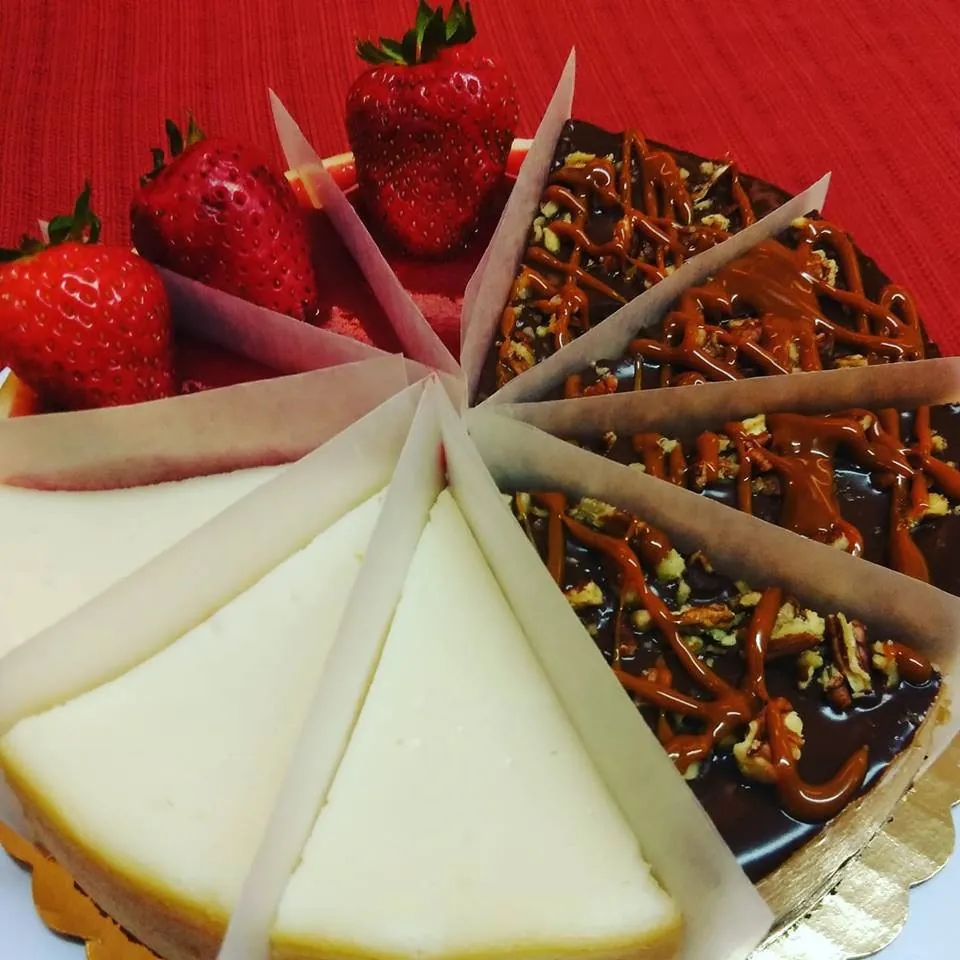
How to thaw frozen cheesecake without making it soggy
The refrigerator is the best place to thaw cheesecake. Move the wrapped cheesecake from the freezer to a level refrigerator shelf and let it thaw slowly, usually overnight for a whole cake. Individual slices may need only a few hours. Slow thawing protects the texture and keeps the dessert from spending too much time warm.
Leave the cheesecake wrapped while it thaws so condensation forms on the outside of the wrapping instead of directly on the cake. Once it has thawed, remove the wrapping, check the surface, and add any fresh topping just before serving. If you froze a plain cheesecake for a party, this is the moment to add berries, sauce, whipped cream, or a finishing garnish.
Do not use the countertop as the default thawing plan. The USDA’s leftovers guidance recommends safe cold handling and notes that refrigerated leftovers should generally be used within three to four days. Once cheesecake is thawed, put it back on the same short refrigerator timeline. Freezing pauses the clock; it does not give the cake an unlimited second life after thawing.
Signs cheesecake should be thrown away
Mold is an immediate no. So are an unpleasant sour smell, a strange yeasty odor, unusual liquid, or a texture that has changed dramatically. But the harder calls are not always visible. Cheesecake that has spent too long at room temperature can still look perfectly normal. That is why time and temperature are better decision tools than a quick taste test.
When you are unsure, use the conservative rule. If you cannot tell how long the cake was left out, if it traveled home warm after an event, or if the refrigerator was not keeping food cold, do not serve it to guests. A new dessert is a better recovery plan than a gamble with dairy and eggs.
Fresh fruit deserves special attention. Berries, sliced peaches, whipped cream, and sauces can weep or spoil sooner than a plain baked cheesecake. When you are ordering a cake ahead, ask whether toppings can be packed separately or added just before the event. It preserves the finish and gives you more control over storage.

Let the bakery handle the timing when the occasion matters
For a casual leftover, the storage plan is straightforward. For a gift, a wedding weekend, an office order, or a dessert table, there are more moving parts: pickup time, travel distance, refrigeration space, serving time, and how much will be left over. The best dessert choice is often the one that fits the day instead of creating a storage puzzle at the end.
Cheesecake Carousel can help match the format to the occasion. Whole cakes work well for a table that will be served soon. Minis and truffles make portioning simpler for events. For a dessert heading out of town, start with the bakery’s shipping options rather than treating a celebration cake like ordinary mail. For a Charlotte-area event, the catering and event page is the practical place to plan quantities and serving style.
When the event is over, refrigerate what is left promptly and decide early whether you will finish it in a few days or freeze it for later. That preserves the dessert while it is still at its best and keeps a great cake from becoming a sad refrigerator mystery.
A simple cheesecake storage plan
When cheesecake comes home, refrigerate it promptly and keep it covered. Serve it cold or let it sit out only long enough for dessert. Plan to finish refrigerator-stored cheesecake within three to four days. Freeze any extra portions early, wrapped tightly and labelled with the date. Thaw it in the refrigerator, not on the counter, then enjoy it within the same short refrigerated window.
That is the whole plan: cold, covered, and intentional. It is simple enough for one leftover slice and reliable enough for the cake you saved for a real occasion.
Frequently asked questions
How long does cheesecake last in the refrigerator?
For the safest simple rule, plan to enjoy refrigerated cheesecake within three to four days. Keep it covered and cold at 40 degrees F or below, and count from the day it was baked, purchased, or thawed.
Can cheesecake be left out overnight?
No. Cheesecake is a dairy-based dessert and should not be left out overnight. If it has been at room temperature for more than two hours, or more than one hour in very hot weather, it is safest to throw it away.
Can you freeze cheesecake?
Yes. Cheesecake freezes well when it is chilled first, wrapped tightly to keep air out, and thawed slowly in the refrigerator. Freezing is a good option when you will not finish it within a few days.
How can you tell when cheesecake has gone bad?
Mold, an off smell, unusual moisture, or a changed texture are clear reasons to discard cheesecake. Do not rely on a taste test when the cake has been stored too long or left warm for too long.