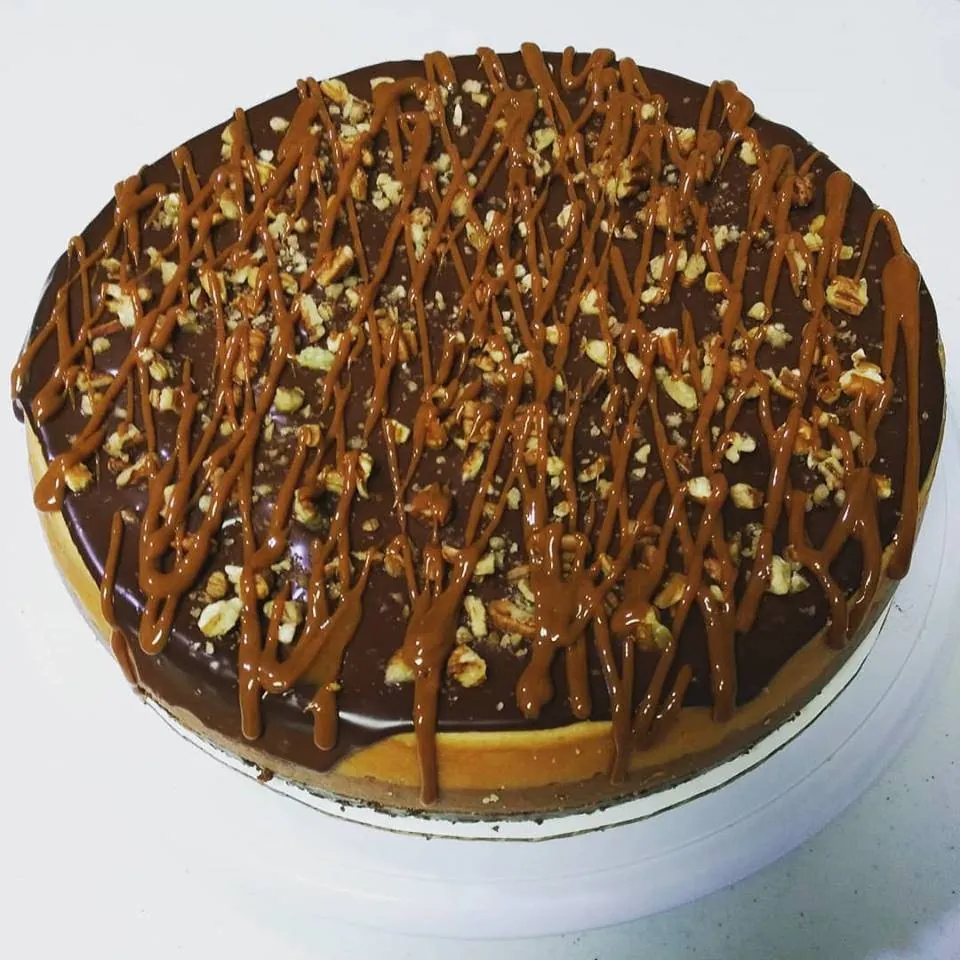
Cheesecake can be gluten-free, but it is not automatically gluten-free. That distinction matters when dessert is for someone who avoids gluten by choice, has a wheat allergy, or needs to avoid gluten carefully because of celiac disease. A rich cream-cheese filling may look like the easy part. The crust, toppings, sauces, and the way the dessert is prepared are where the answer can change.
The quick answer is this: most classic cheesecake should be treated as containing gluten unless it is specifically made and described as gluten-free. Traditional graham-cracker and cookie crusts commonly contain wheat. Some fillings use flour as a thickener, and toppings or shared bakery tools can add another question. A gluten-free cheesecake needs a gluten-free crust, a compatible filling and topping plan, and clear information from the person making it.
This guide explains what to check before serving cheesecake to a gluten-free guest, why taking off the crust is not always enough, and how to ask a bakery useful questions. Cheesecake Carousel offers gluten-free, vegan, and sugar-free cheesecake options; for a particular order, contact the bakery before purchasing so the team can discuss the current ingredients and availability.
Why cheesecake is not automatically gluten-free
Cheesecake is a dessert with moving parts. The filling often starts with cream cheese, sugar, eggs, and flavorings. Those ingredients may be gluten-free on their own, but that does not make the finished dessert gluten-free. The complete cheesecake includes its crust, mix-ins, toppings, sauces, and the preparation process.
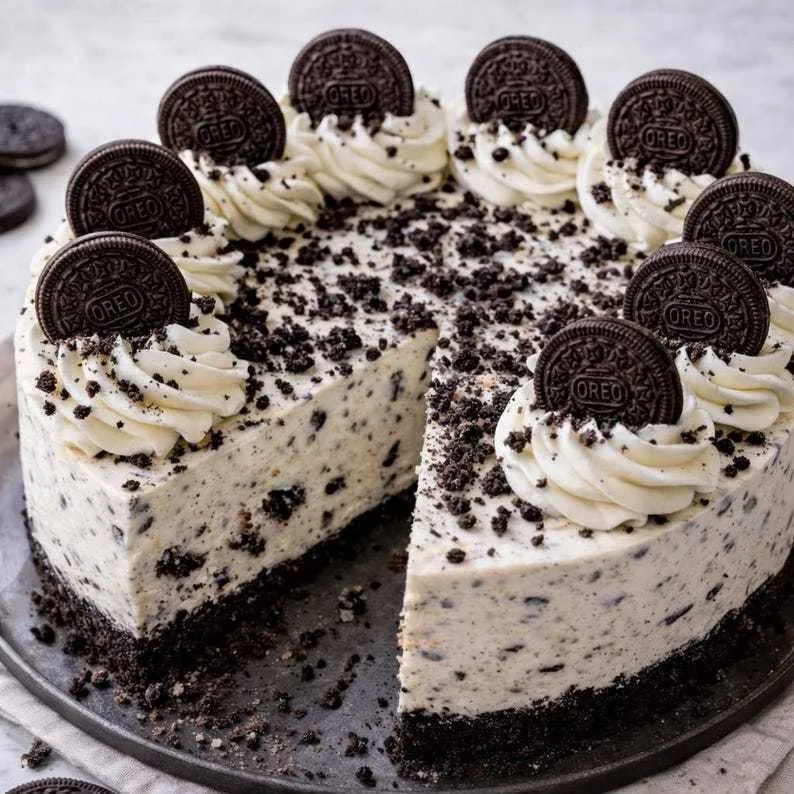
The crust is the most common issue. A standard cheesecake crust is usually made from graham crackers, cookie crumbs, or another baked crumb. Those products often contain wheat. A recipe can become gluten-free when it uses a gluten-free crumb or an intentionally crustless format, but that choice has to happen before the cake is assembled. Scraping a regular crust off a slice after it is served does not change what the slice touched while it was made, cut, or plated.
The filling needs attention too. Cream cheese, eggs, sugar, and fruit can be naturally free of gluten, yet recipes vary. The Celiac Disease Foundation notes that some cheesecake fillings include wheat flour, which is why reading a label or asking about the recipe matters more than assuming every plain-looking cheesecake is the same. Its ingredient guidance is a useful reminder that gluten can appear in places people do not expect.
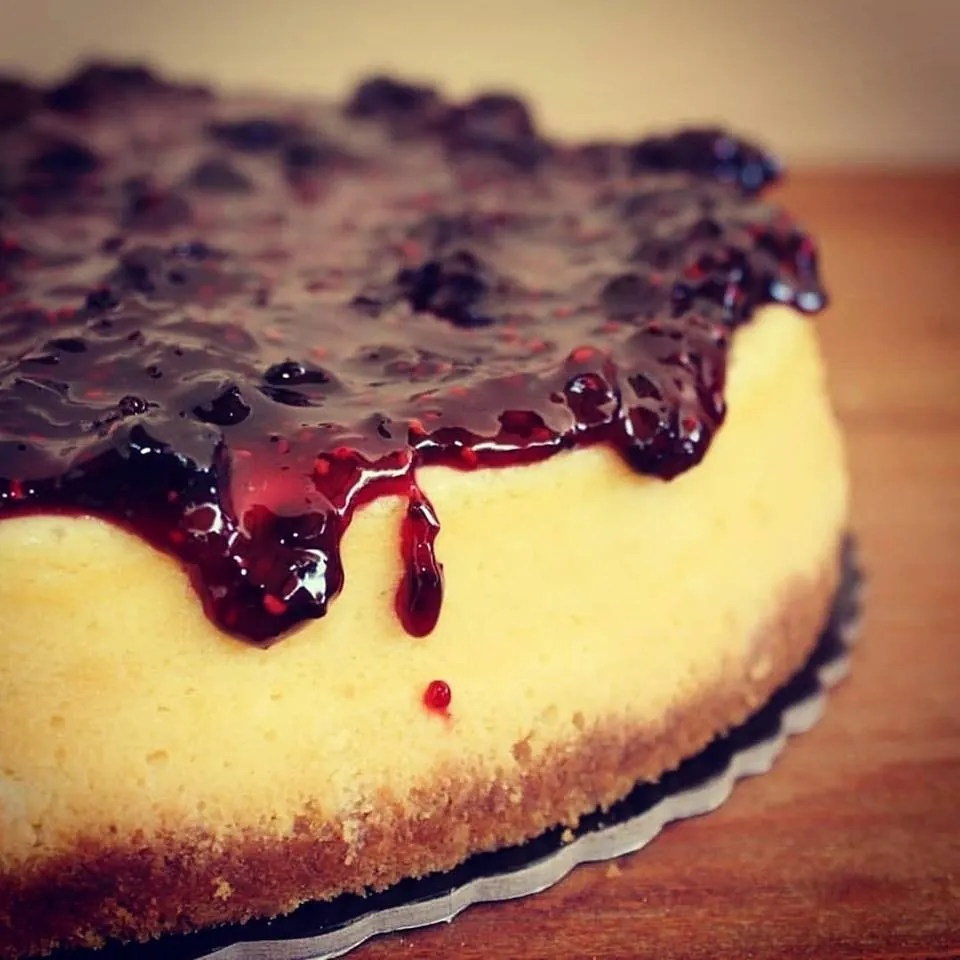
What a gluten-free label means
When a packaged food carries a gluten-free claim in the United States, the claim has a specific meaning. The Food and Drug Administration says foods using that label must meet its requirements, including having less than 20 parts per million of unavoidable gluten. The agency also explains that the product cannot contain wheat, rye, barley, or related ingredients that do not meet the rule. The FDA's gluten-free labeling guidance gives the full standard.
That rule helps with packaged foods, but bakery orders still deserve a conversation. A dessert case, cafe menu, or custom order may use the phrase gluten-free differently unless the bakery explains the exact ingredients and preparation. The FDA recommends asking restaurants what they mean by gluten-free, what ingredients are used, and how the item is prepared. Those are the three questions that turn a vague label into an informed decision.
For customers reading a label at home, wording matters. A product described as wheat-free is not automatically gluten-free, because gluten can also come from rye or barley. The FDA's current gluten-free labeling information explains that the claim is voluntary but defined. When the item is not packaged or the ingredient list is not available, asking the maker is the practical next step.
This is not about making dessert feel intimidating. It is about giving the person who needs the information a clear answer before the celebration starts. A birthday cake is supposed to make the guest of honor feel included, not make them wonder whether the safe choice is to skip dessert.
Check the crust first
For most classic cheesecakes, the crust is the first place to look. Graham crackers, vanilla wafers, sandwich cookies, shortbread, and many other crumb bases are made with wheat flour. Even when the filling is compatible with a gluten-free diet, a standard crust can make the full dessert unsuitable.
A gluten-free cheesecake can use gluten-free graham-style crumbs, gluten-free cookies, nuts, or another recipe-specific base. Some cheesecakes are baked without a crust at all. The important point is that these are deliberate choices, not details you can reliably guess from the finished cake. A brown crumb crust may look identical whether it is made with a traditional cookie or a gluten-free alternative.
Ask a direct question: "What is the crust made from?" If the answer is a branded product, a bakery can often check the package or ingredient list. If the cake is sold by the slice, ask whether that slice was cut with the same knife used for regular cakes. Clear questions are quicker and more useful than asking whether the cake "looks gluten-free."
Then check the filling, toppings, and sauces
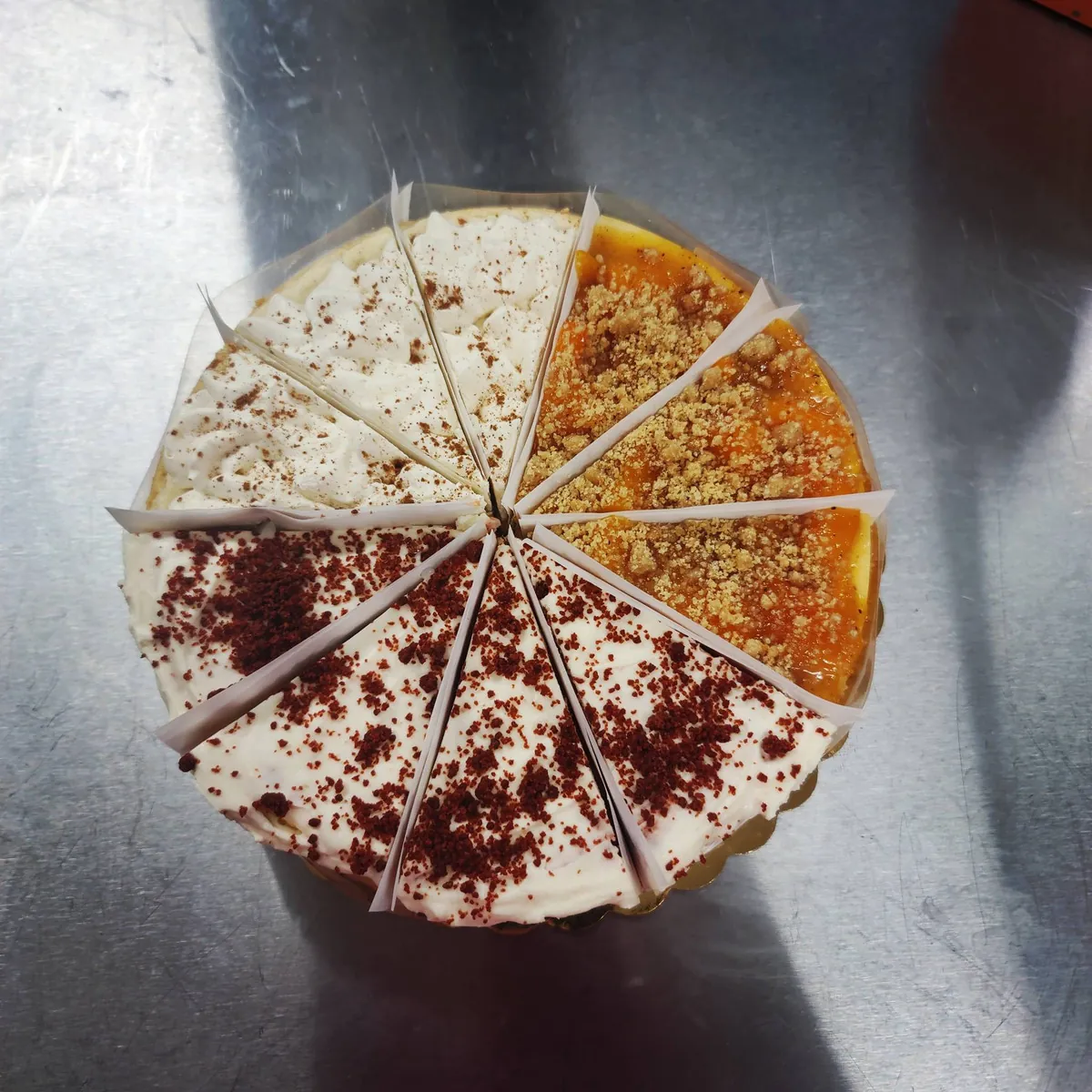
The crust gets the most attention, but it is not the only thing that can change the answer. Cheesecake fillings sometimes use flour, cookie pieces, brownie chunks, malt flavoring, or a prepared mix. Toppings can introduce cookies, cake crumbs, candy, cereal, pretzels, or sauces with ingredients that need checking. A plain slice and a fully decorated slice can have different answers.
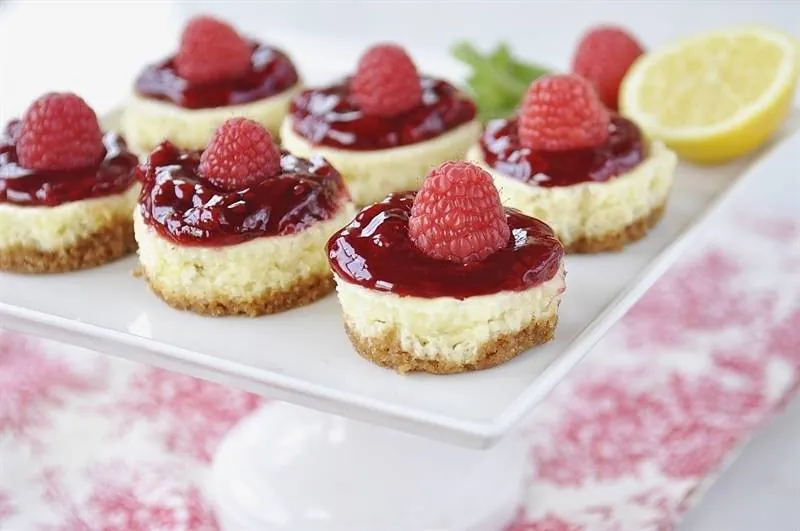
Fruit is a straightforward topping, but a fruit sauce can be thickened or made with a prepared product. Chocolate, caramel, whipped topping, sprinkles, and flavored crumbs can all vary by brand. That does not mean they are automatically a problem. It means the safest answer comes from the actual ingredient list for the exact cheesecake being ordered.
Think about decorations the same way you think about ingredients. A cake can have a gluten-free base and still be finished with cookie crumbs, a brownie bite, or a sauce that changes the answer. If one guest needs a particular option, ask for that slice or cake to be identified before it goes to the dessert table. This is simpler than trying to reconstruct a topping list once guests have started serving themselves.
For a group order, it helps to keep the plan simple. Choose a clearly identified gluten-free cheesecake rather than expecting guests to sort through several toppings. Serve it with its own clean knife and place it where it will not collect crumbs from nearby desserts. When the dessert table is busy, a little separation prevents a careful order from becoming an unclear one.
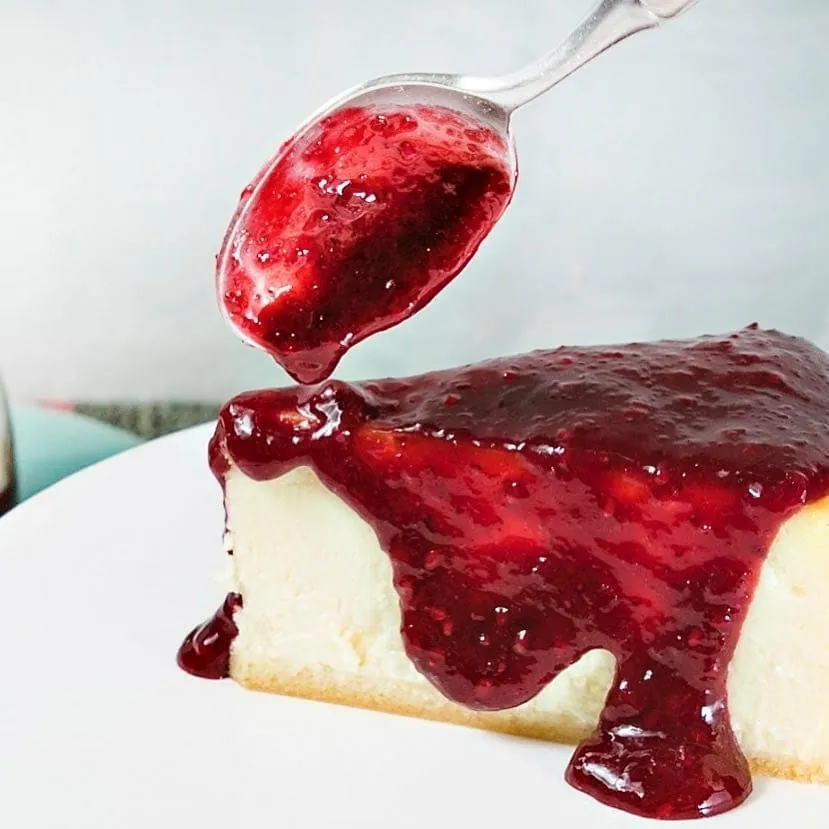
Why taking off the crust is not always enough
It is tempting to think a guest can simply leave the crust on the plate. Sometimes that may be a personal choice, but it is not a universal solution. The filling may have touched the crust in the pan, the slice may have been cut with a knife used on regular cakes, and the recipe itself may include ingredients that are not compatible with a gluten-free diet.
Cross-contact is the term used when gluten-free food comes into contact with gluten-containing food or equipment. The Celiac Disease Foundation lists shared utensils, cutting boards, containers, and bakery environments as common places where that can happen. It also notes that non-certified gluten-free baked goods from bakeries that otherwise use gluten can be a concern. Its cross-contact overview explains why preparation details matter.
That is why people with different dietary needs may make different decisions about the same dessert. Someone avoiding gluten casually may be comfortable with a workaround. Someone managing celiac disease may need more certainty. The respectful approach is to provide the information without guessing, then let the customer decide what fits their needs.
Questions to ask a bakery before you order
Good questions save time for everyone. Start by sharing the occasion, how many guests need the option, and how carefully gluten needs to be avoided. Then ask about the exact item, not cheesecake in general. A bakery may have one gluten-free offering available this week and a different flavor or format available next week.
Ask what is in the crust, filling, toppings, and sauces. Ask whether the item is made with ingredients labeled gluten-free when that matters to the guest. Ask how it is prepared and whether it is cut or served around gluten-containing desserts. If the order is for someone with celiac disease or a serious wheat allergy, say that plainly so the bakery understands the decision is not a casual preference.
For a gift or office order, pass the answer along to the person receiving the dessert rather than relying on a verbal handoff. A short note naming the item and its ingredients can prevent confusion when several cakes look similar. If the bakery cannot confirm an ingredient or a preparation detail, do not turn a maybe into a promise. A clear no is more helpful than false confidence when a guest is depending on the answer.
It is also useful to ask about timing. Some specialty cakes need advance notice, and availability can change with the production schedule. Calling early gives the bakery a fair chance to confirm the right item rather than forcing a last-minute answer at the register.
How Cheesecake Carousel can help
Cheesecake Carousel lists a gluten-free cheesecake option, alongside vegan and sugar-free choices for customers planning for a wider range of guests. The bakery's allergen-friendly page is the best place to start when you want to compare those formats.
For an individual pickup, a party, or an event dessert table, contact Cheesecake Carousel before ordering with the date, guest count, and the dietary need you are planning for. The bakery can discuss current availability and ingredient questions for the item you are considering. For larger celebrations, the catering and events page gives a direct path to plan the dessert format as well as the quantity.
That conversation is especially valuable when a guest needs more than a general gluten-free preference. A whole cake, minis, and individually portioned desserts each create different serving and handling questions. Choosing the right format early makes the dessert table calmer and gives everyone a clearer path to a treat they can enjoy.
A simple checklist for gluten-free cheesecake
Before you order or serve cheesecake, confirm the crust. Then confirm the filling and every topping or sauce. Ask how the item is prepared and whether it may come into contact with gluten-containing desserts or tools. Keep the dessert separate at the table, use a clean serving utensil, and share the ingredient information with the guest who needs it.
Most of all, do not rely on the word cheesecake alone. Cheesecake can be made gluten-free and still be every bit as rich and celebratory as a classic slice. The difference is in the details. A quick conversation before the order lets everyone focus on the reason for dessert in the first place.
Frequently asked questions
Is plain cheesecake gluten-free?
Not automatically. The filling may be made without gluten-containing ingredients, but a traditional crust often contains graham crackers or cookies made with wheat. Recipes, toppings, and preparation methods can also vary.
Can someone with celiac disease eat cheesecake?
Only when the ingredients and preparation are appropriate for that person. Anyone with celiac disease should ask the bakery what is in the cheesecake and how it is prepared, then make a decision based on their own dietary needs.
Does removing the crust make cheesecake gluten-free?
Not necessarily. Removing a crust does not answer questions about the filling, toppings, or contact with gluten during preparation and serving. It is better to confirm the full item before ordering.
What should I ask a bakery before ordering gluten-free cheesecake?
Ask which ingredients are used in the crust, filling, toppings, and sauces, whether the item is prepared around gluten-containing products, and whether the bakery can accommodate the needs of the person who will eat it.