A cheesecake can be too good to rush. Maybe a celebration ended with more slices than expected, a freezer plan changed, or a shipped dessert arrived before the date you had in mind. In those moments, it is natural to wonder whether cheesecake can go back into the freezer. The short answer is sometimes, provided it stayed properly chilled. The more useful answer is that safety, timing, and texture all matter. Knowing the difference lets you save a lovely slice for later without turning a future dessert into a gamble.
The short answer: refreeze only cheesecake that stayed cold
Cheesecake can be refrozen when it has remained cold in the refrigerator or is still partly frozen with ice crystals. The key is not whether the cheesecake looks perfect. It is whether it has stayed at a safe temperature since it left the freezer. The U.S. Department of Agriculture explains that food that still has ice crystals or has remained at 40°F or below can be safely refrozen, although its quality may change. That gives a sensible rule for a leftover slice or a whole cake you need to save for another occasion.
Think of refreezing as a plan for a cheesecake that has been handled calmly, not a rescue move for dessert that has been sitting around. If it was thawed in the refrigerator, covered, and kept cold, refreezing can be reasonable. If it spent a long afternoon on a buffet, rode around in a warm car, or sat on the kitchen counter, it is not the right candidate. In that case, enjoying it promptly or letting it go is safer than trying to give it another freezer life.
For a bakery order, start by thinking about the timeline. A whole cheesecake picked up for the weekend can stay in the refrigerator for the celebration, then be portioned and frozen if there are leftovers. A cake that has already been thawed, served, and handled by a crowd deserves a more cautious call. The closer you can trace the dessert from pickup to refrigerator, the easier the decision becomes.
Start with the two questions that matter
Before putting cheesecake back in the freezer, ask two simple questions. First, how was it thawed? Refrigerator thawing keeps the dessert cold throughout the process. The USDA notes that leftovers thawed in the refrigerator can be used within three to four days or refrozen. That makes refrigerator thawing the preferred path when you want flexibility with an order or a saved slice.
Second, how long has it been warm? The Food and Drug Administration advises refrigerating or freezing perishable food within two hours, or within one hour when the temperature is above 90°F. Cheesecake is a dairy-based dessert, so it belongs in that cautious category. If you cannot say how long it was warm, or know it exceeded that window, do not refreeze it. A freezer does not undo time spent at an unsafe temperature.
This is why a little planning makes leftover cheesecake easier to enjoy. At a party, bring out only what guests are likely to finish soon and leave the rest chilled. At home, return extra slices to the refrigerator as soon as dessert is over. You do not need to make serving feel fussy. You just need the cake to spend more time cold than it does sitting on the table.
When refreezing is a good idea
Refreezing is especially useful when you have more cheesecake than you can enjoy within the next few days. A whole cake after a small dinner, a few untouched slices after a birthday, or a sampler with several flavours left can all be easier to save than to rush through. Freezing individual portions also gives you an effortless future dessert, rather than asking everyone to eat the same leftover several nights in a row.
The best candidates are slices or portions that were refrigerated soon after serving and have been kept covered. A plain cheesecake or a cake with a stable baked topping usually handles freezing more gracefully than a dessert loaded with delicate fresh fruit, whipped cream, or a sauce already spread across the surface. That does not mean every topped cheesecake is unsafe to freeze. It means the thawed finish may be less polished, so it can be smarter to enjoy that kind of cake before freezing becomes necessary.
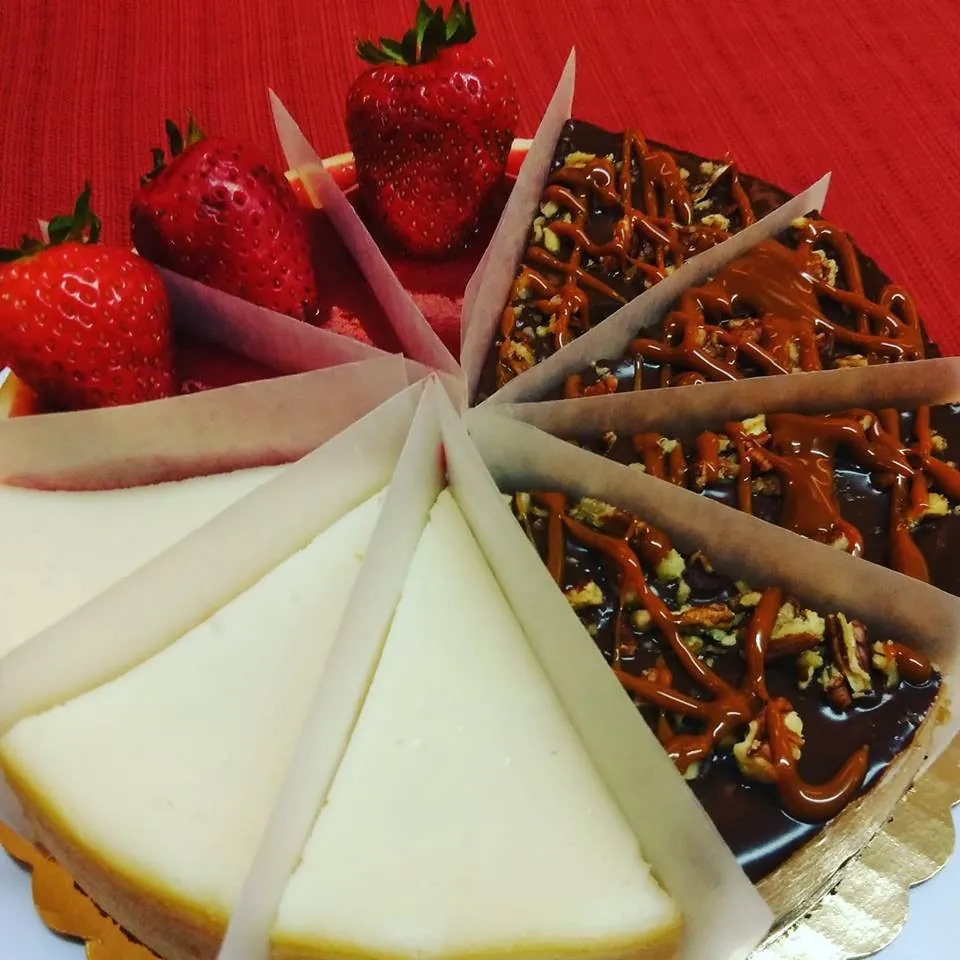
If you have a Sampler Cheesecake, saving a few slices separately can be a particularly good move. You keep each flavour distinct, choose the slice you want later, and avoid thawing a whole cake for one dessert moment. The same idea works for a few leftovers from a whole cheesecake, whether the occasion was a dinner, birthday, or quiet weekend at home.
Give the cheesecake the best chance of tasting good later
Safety comes first, but texture is what makes a saved slice worth looking forward to. Each freeze-and-thaw cycle can introduce a little moisture and soften a delicate finish. The goal is to protect the cheesecake from air, odors, and freezer burn so the creamy filling stays as close as possible to the dessert you ordered.
For leftover slices, place them in a snug, freezer-safe container or wrap each piece carefully so the cut edge is protected. Keeping portions separate makes future serving simple and prevents slices from sticking together. For a larger piece, protect the surface without pressing hard into any topping, then add an outer layer that keeps air away. Label the date so the freezer does not turn into a mystery box a month from now.
Try to refreeze once, rather than making the cake travel back and forth between freezer and refrigerator. The first decision is usually the cleanest one: enjoy the cheesecake over the next few days, or save the remaining portions while they are still in good shape. If you know dessert will not fit into this week, freezing sooner is kinder to both the cheesecake and your future self.
How to thaw it for the next dessert moment
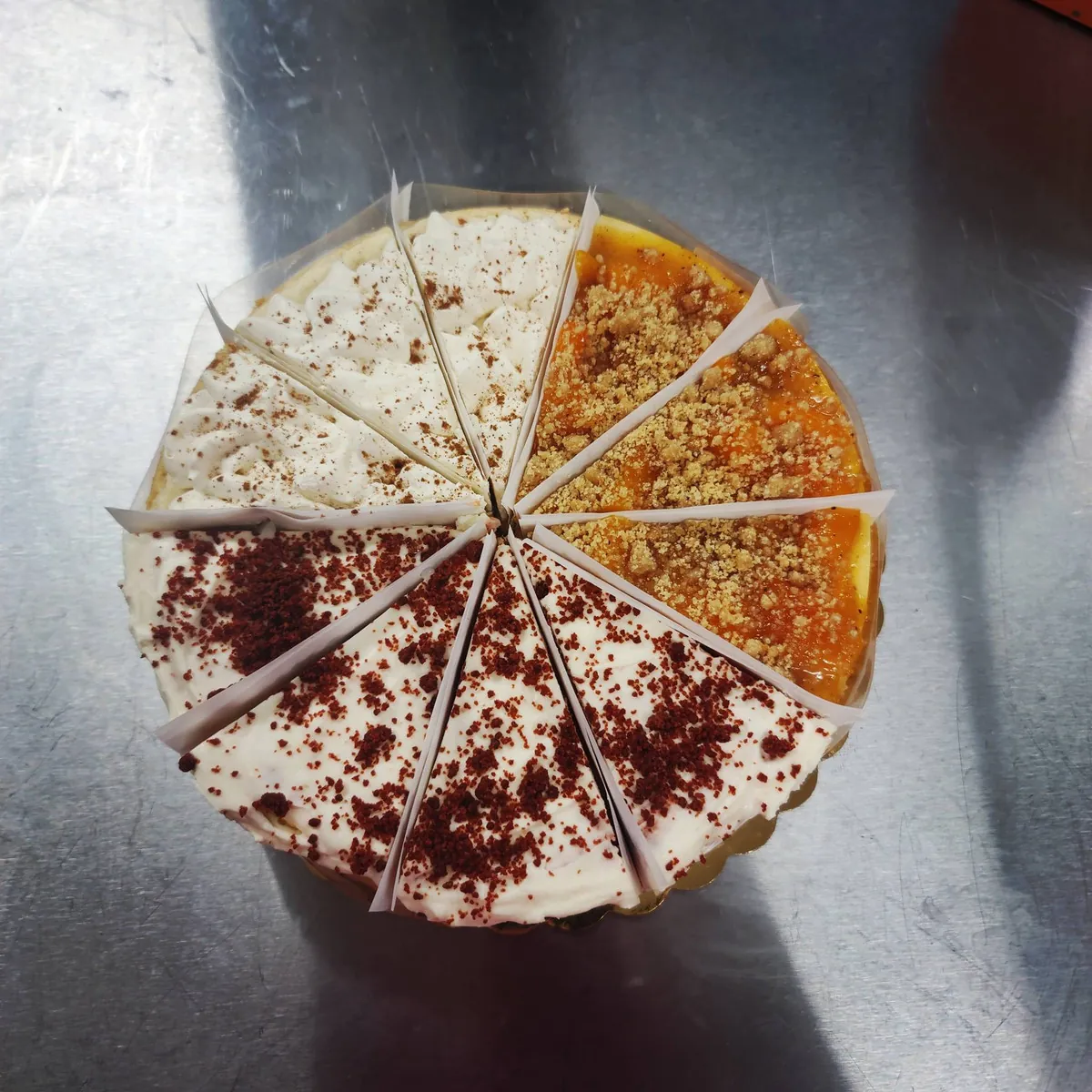
When you are ready to enjoy a saved slice, move it from the freezer to the refrigerator and let it thaw slowly while it stays covered. This keeps the dessert cold and gives condensation a place to collect outside the wrapping instead of on the cheesecake. A slice may be ready in a few hours, while a larger portion needs more time. Give it a level spot in the refrigerator so the finish stays neat.
Avoid thawing cheesecake on the counter. The USDA describes the refrigerator as a safe way to thaw food because it remains cold throughout the process. Cold-water and microwave thawing have different rules, and they are not a practical choice for a dessert you want to preserve and refreeze. A slow refrigerator thaw is far less dramatic, which is exactly what good cheesecake timing should be.
Once thawed, treat the cheesecake as a refrigerated dessert again. Serve the portion you plan to enjoy and keep the rest cold. If you are bringing it to a gathering, carry it level and chilled, then move it into a refrigerator on arrival. The goal is a dessert that feels effortless at the table, not a science project everyone has to monitor.
When not to refreeze cheesecake
Do not refreeze cheesecake that sat out too long, feels warm, or has an uncertain history. The same applies if the refrigerator lost power for an unknown stretch, the packaging leaked, or the cheesecake was stored beside something that could contaminate it. Smell and appearance are not reliable proof that a perishable dessert is safe. When the timeline is unclear, the cautious choice is the right one.
Skip refreezing if the cake has already become watery, has a damaged topping, or simply will not be enjoyable after another freeze-and-thaw cycle. That is not a failure. A few slices are often better shared now with family, neighbours, or coworkers than tucked away until the texture loses its charm. Cheesecake is a treat, not a test of how long a freezer can keep it around.
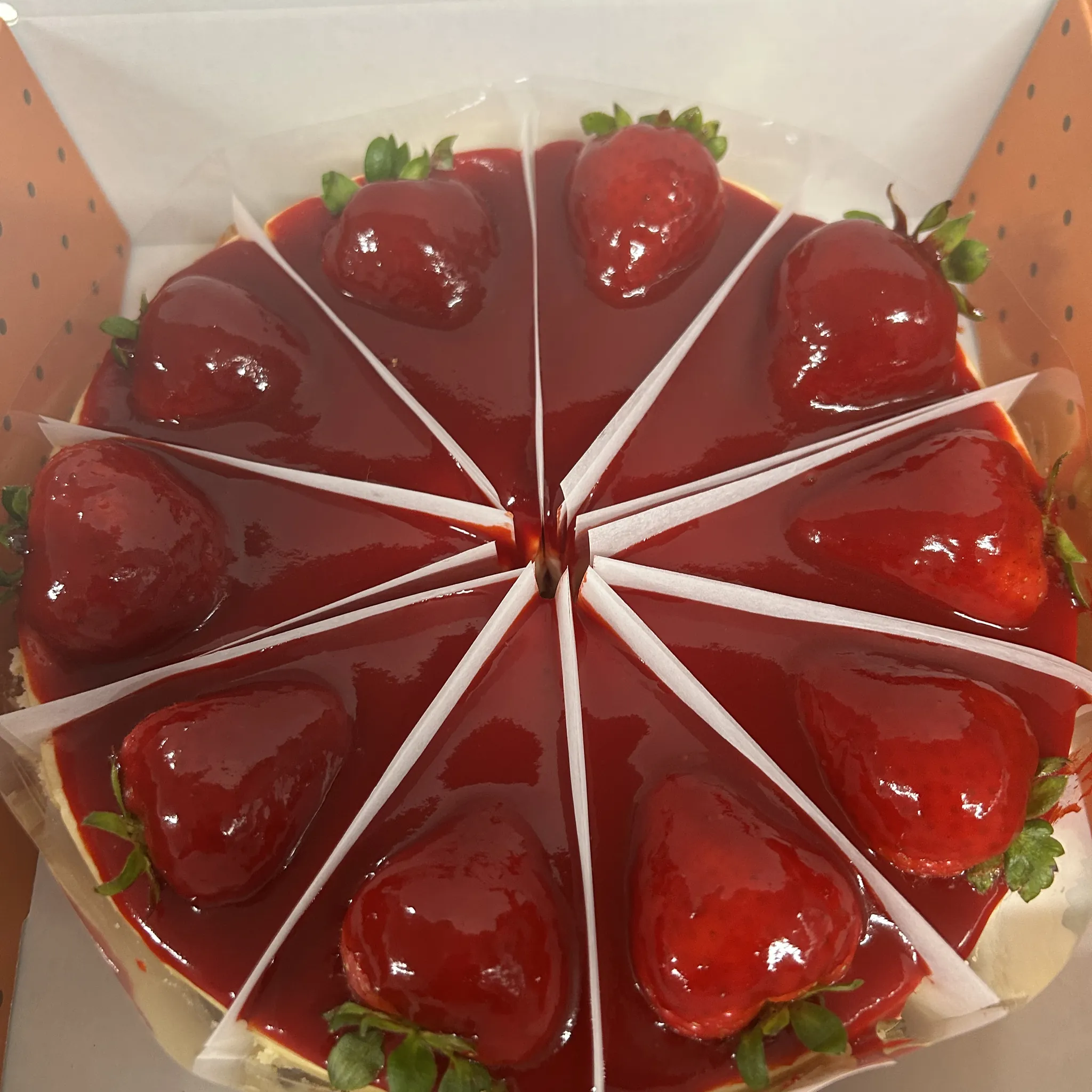
Fresh fruit, whipped cream, and crisp garnishes deserve extra thought. They can change after freezing even when the cheesecake itself remains safe. If you are planning ahead for a celebration, a whole cake with a simpler finish may be easier to save in portions. For a cake with a show-stopping topping, make the most of it while it is fresh and let the occasion have its dessert moment.
Order for the way you want to enjoy it
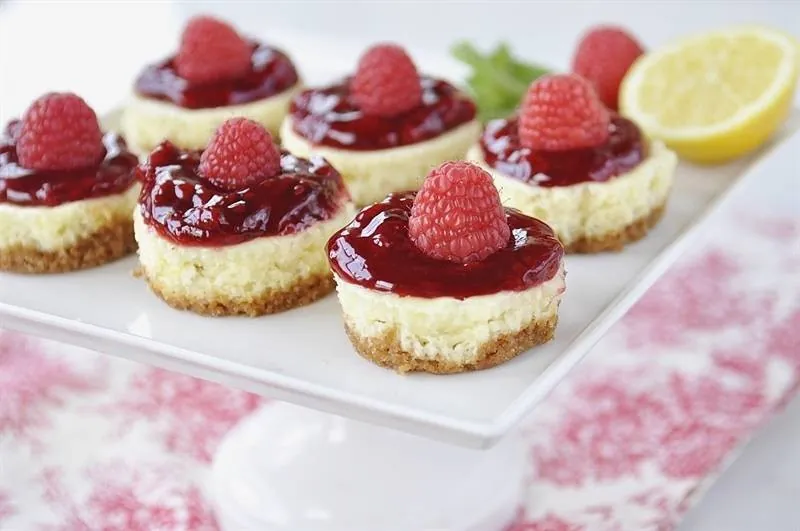
The easiest leftover plan starts when you order. A whole cheesecake makes a beautiful shared dessert for dinner, birthdays, and holidays. Minis or cheesecake truffles make it easier to offer individual portions at a gathering. When you choose the format around the way people will eat, you are less likely to end the night with a dessert-storage puzzle.
Cheesecake Carousel asks for at least 48 hours, or two days, for pickup orders. That lead time gives you room to choose a dessert that fits the guest count, serving style, and refrigerator space you actually have. Browse the current menu for whole cakes, samplers, minis, and more, or use the catering and events page when the celebration needs a larger plan.
If leftovers are part of the joy, that is perfectly fine. Keep them cold, save what you can reasonably enjoy later, and thaw a portion when the next cheesecake moment arrives. A careful freezer plan turns one good dessert into more than one chance to enjoy it.

Choose cheesecake to enjoy now and later.
Frequently asked questions
Can you refreeze cheesecake after it has thawed?
You can refreeze cheesecake if it thawed in the refrigerator and stayed cold. If it was left out too long or its temperature history is unclear, do not refreeze it.
Can I refreeze a cheesecake that still has ice crystals?
Yes. Food that still has ice crystals or has stayed at 40°F or below can generally be safely refrozen. The texture may change slightly after another freeze-and-thaw cycle.
How long can thawed cheesecake stay in the refrigerator?
For a simple safety-first plan, enjoy refrigerated cheesecake within three to four days. Keep it covered and cold, and count from the day it was thawed or purchased.
Should I refreeze cheesecake with fruit topping?
It may be safe if it stayed cold, but fresh fruit and whipped toppings can lose their best texture after freezing. Enjoy a delicately topped cheesecake fresh when possible, or freeze plain portions before adding a fresh finish later.