New York cheesecake is the cheesecake people picture when they want a slice that is tall, rich, smooth, and unapologetically creamy. It is baked, chilled, and built around cream cheese rather than a light mousse or a quick no-bake filling. The result is a dessert with enough body to stand up to a simple forkful and enough richness that a small slice still feels like a real treat.
The short answer is that New York cheesecake is a dense, cream-cheese-forward style of baked cheesecake. The longer answer matters when you are choosing a cake for a birthday, a dinner, a gift, or a dessert table. “Cheesecake” covers a lot of ground. Some cakes are airy, some are tart, some rely on sour cream, and some never see an oven. New York-style cheesecake is the fuller, firmer lane.
Cheesecake Carousel makes NY-style cheesecake for Charlotte celebrations, shipped gifts, and ordinary dessert cravings. This guide explains what makes the style different, what to expect from a slice, and how to choose a format that fits the people around your table.
The simple definition
New York cheesecake is a baked cheesecake with a rich, dense filling that puts cream cheese at the center of the recipe. It is usually taller than a light cheesecake, cut into clean wedges, and served chilled. The flavor is creamy and gently tangy, with a texture that is smooth but substantial rather than fluffy.
There is no single recipe that every New York bakery follows. Some versions use sour cream, some use heavy cream, some add extra egg yolks, and some keep the filling very spare. What they share is the overall experience: a generous cream-cheese base, a careful bake, and enough time to cool and set. A useful comparison of traditional and New York cheesecake styles makes the same practical distinction, New York-style cakes are generally richer and denser, not simply “regular cheesecake with a different name.”
If you see “NY Plain” on a menu, expect the classic version of that idea: a straightforward, cream-cheese-first slice with no need for a loud topping to do the work. It is the kind of cheesecake that makes berries, caramel, chocolate, or fruit sauces feel like optional extras rather than rescue plans.
That is why New York cheesecake is such an easy answer for a mixed group. People who want a classic dessert recognize it immediately, while people who like a more polished, less airy slice get the texture they came for. It is familiar without being boring. The serving can stay simple, but the dessert still feels considered.
Why the filling feels different
The filling is where New York cheesecake earns its reputation. Cream cheese provides the richness, while eggs help the cake set into a sliceable custard. The bake removes enough moisture for the filling to hold its shape, but not so much that it turns dry or cakey. When it is done well, the center is smooth, close-textured, and rich from the first bite to the last.
That texture comes from restraint as much as from ingredients. A baker mixes the filling until it is smooth, avoids beating in too much air, bakes with a gentle heat, and lets the cake cool gradually. Too much air can make a cheesecake puff and crack. Too much heat can make it grainy. Rushing it from oven to refrigerator can upset the texture. The polished result looks simple because a lot of small decisions were handled before the slice ever reached the plate.
Classic recipes show how direct the foundation can be. The Philadelphia classic cheesecake recipe, for example, starts with cream cheese, sugar, eggs, and a crumb crust. New York-style recipes take that familiar base toward a richer, more substantial finish, not toward a lighter one.
Height is a useful visual clue, but it is not the whole story. A tall cake can still be dry, and a modestly tall cake can be beautifully creamy. What matters more is the way the slice holds together. It should stand upright on the plate, yield cleanly to a fork, and keep a smooth interior instead of breaking into crumbs or turning runny at the center.
New York cheesecake versus other styles
The phrase “regular cheesecake” is not as precise as it sounds. It might mean a home recipe, a no-bake dessert, a lighter restaurant slice, or a cheesecake with a high proportion of sour cream. Those can all be delicious. They simply deliver a different texture and level of richness.
A no-bake cheesecake is often softer and mousse-like because it sets in the refrigerator rather than by baking. A lighter baked cheesecake can feel more airy and delicate. A Basque-style cheesecake is known for its dark, deeply caramelized top and looser interior. New York cheesecake is usually the opposite of casual and airy: it is cool, composed, and dense enough to feel like the centerpiece of dessert.
The history of cheesecake is much broader than New York. Baked cheese-based desserts have been around for centuries, and American bakers shaped the modern versions people know today. Bake from Scratch traces that longer cheesecake history, which is a helpful reminder that New York-style cheesecake is a famous branch of a much older dessert family, not the only “real” cheesecake.
None of those styles needs to compete with the others. A soft no-bake cheesecake can be perfect for a warm-weather dinner. A burnt-top cheesecake can be great for someone who likes deep caramel notes. New York cheesecake is the reliable choice when the goal is a classic dessert with enough presence to end a meal or anchor a celebration table.
The crust and toppings are supporting players
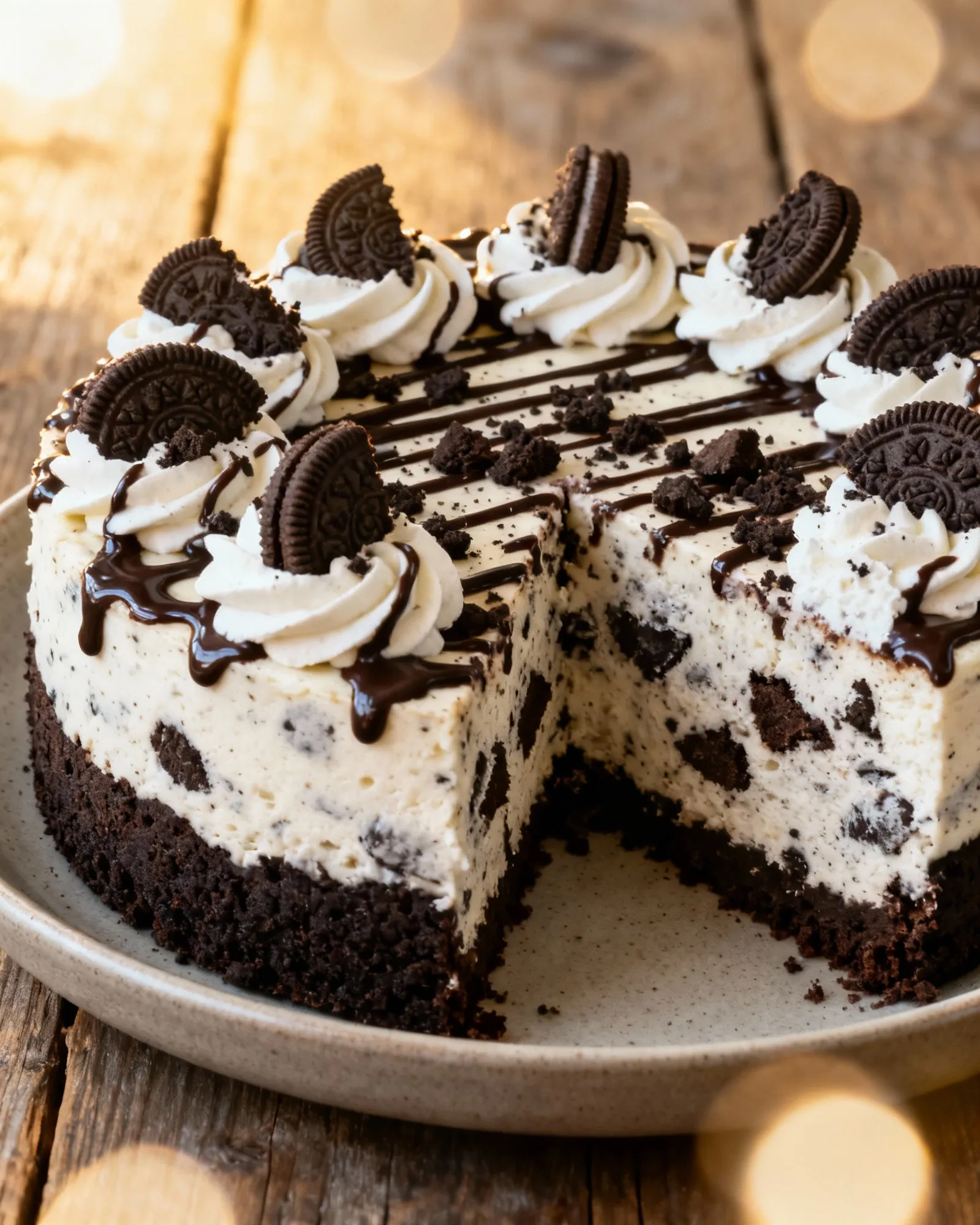
A graham cracker crust is common with New York cheesecake, and it gives the creamy filling a buttery, lightly sweet contrast. But the crust does not define the style. A bakery can use graham crackers, cookie crumbs, or another crumb base and still make a New York-style cheesecake if the filling has the expected richness and structure.
The same goes for toppings. Plain is classic, but a New York cheesecake can wear strawberry, chocolate, caramel, lemon, or fruit toppings well because the filling is steady underneath. For a dessert table, toppings are a way to match the occasion. For a first taste, plain is often the clearest way to understand why the style is so popular.
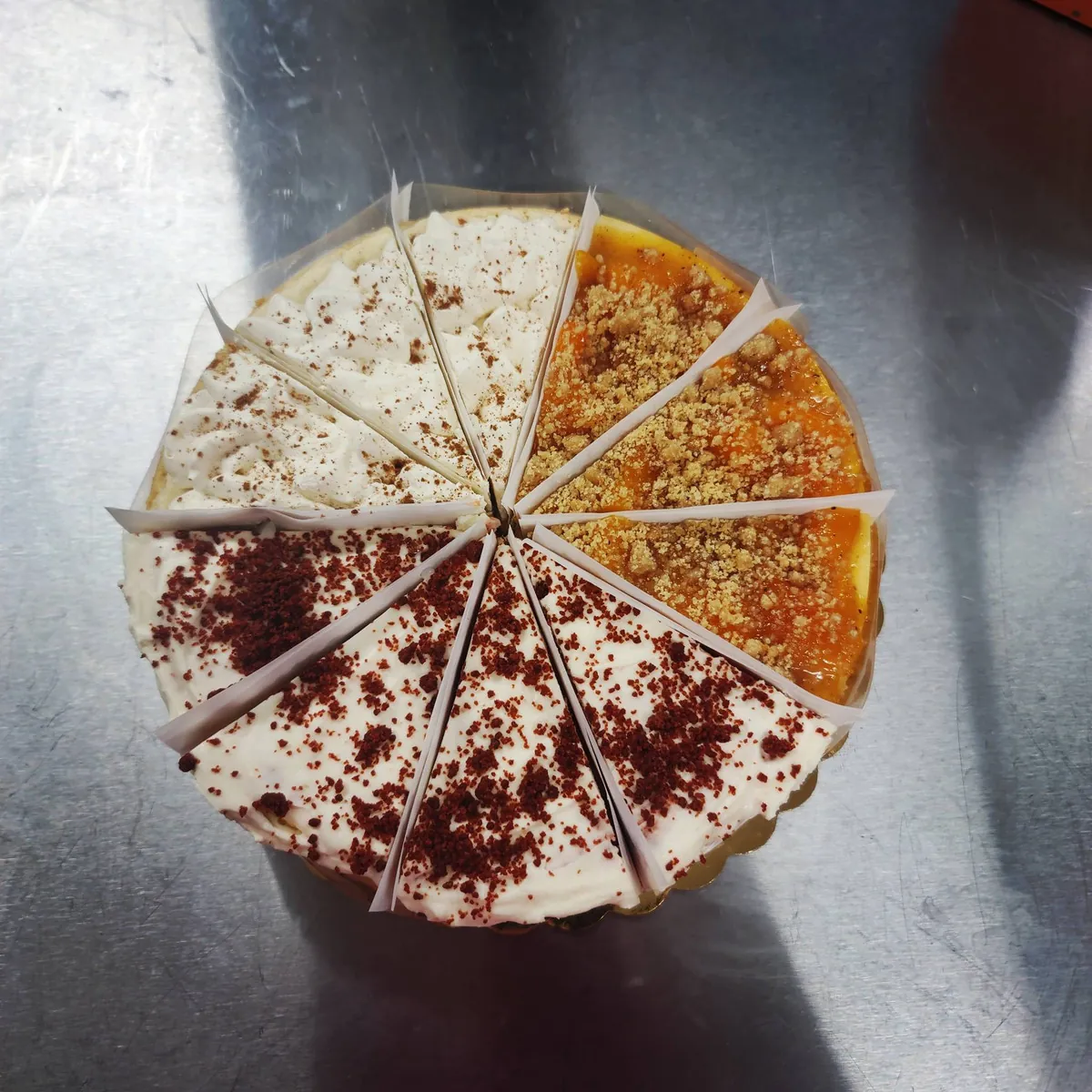
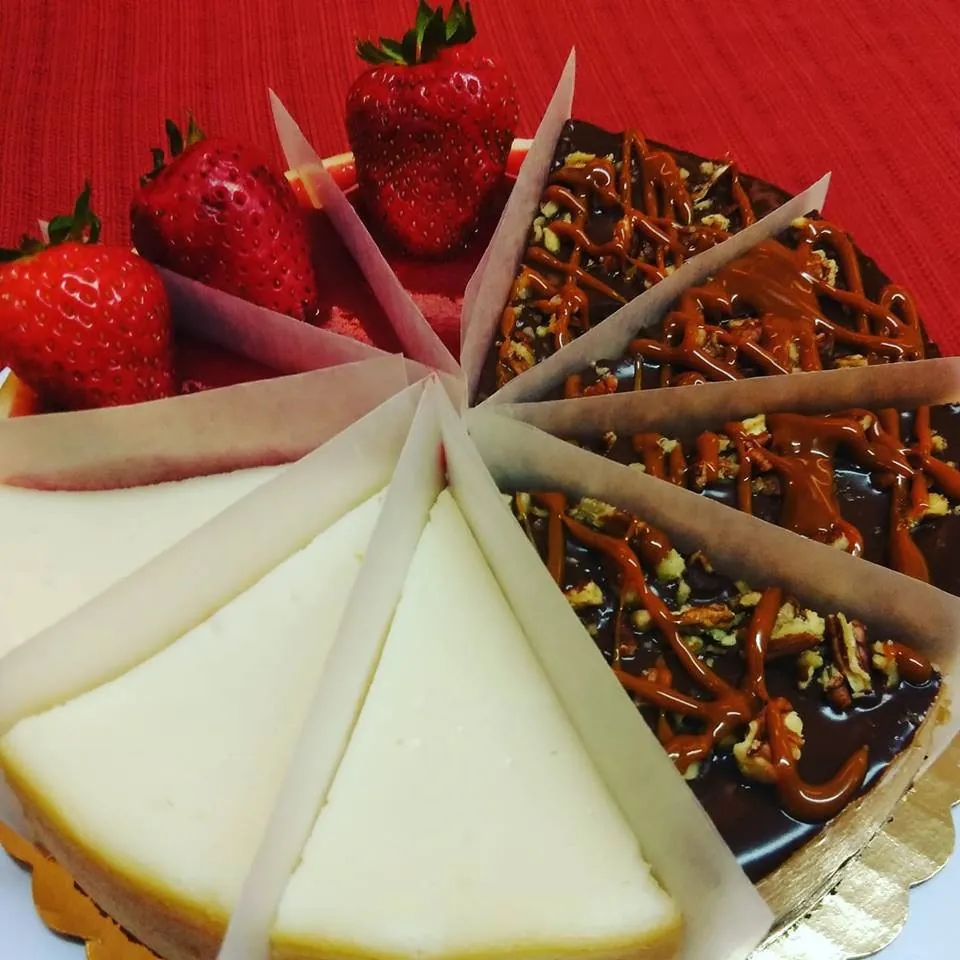
When ordering for a group, consider how adventurous the table is. A plain or strawberry whole cake keeps things familiar. A sampler lets guests compare a classic NY Plain slice with other flavors. Minis and truffles make it easier to offer variety without relying on one person to cut and serve every portion.
There is also a practical reason to keep some servings simple. A whole plain cheesecake is easy to pair with coffee after dinner, add a birthday topper to, or dress up with whatever fruit is in season. It gives the host room to make the dessert feel personal without asking the bakery to guess every detail of the event.
What to expect when you take a bite
A good New York cheesecake should feel creamy, cool, and rich, with a clean slice that does not slump across the plate. It may be lightly tangy from the cream cheese, sweet without being sugary, and firm enough that you can enjoy it slowly. The texture is the point. It should feel satisfying, not heavy for the sake of being heavy.
Temperature affects that experience. Serve cheesecake chilled so the filling stays set and the flavor remains balanced. A slice can sit for a few minutes while dessert is served, but it should not be left out for an afternoon. The FDA's food storage guidance is a useful reference for dairy-based desserts: keep perishable food refrigerated and do not treat room temperature as a long-term holding plan.
For leftovers, cover the cheesecake and return it to the refrigerator promptly. The bakery's cheesecake storage guide walks through the practical details, including when freezing makes more sense than trying to finish every last slice this week.
Choosing New York cheesecake for the occasion
New York cheesecake is a strong choice when you want dessert to feel generous and familiar. A whole cake works well for birthdays, dinner parties, and office celebrations where someone can slice at the table. A sampler works when the group wants a classic plain option alongside bolder flavors. Minis and truffles work when guests need a quick, easy-to-serve portion.
For Charlotte pickup or delivery, start with the current menu and choose the format that matches the guest count and serving plan. If the dessert is heading out of town, the shipping options are the better starting point. New York-style cheesecake is dense enough to travel well when handled properly, but a celebration should not depend on turning your kitchen into a shipping department.
For a larger event, the catering and events page can help you plan a dessert table with whole cheesecakes, minis, truffles, or a mix of formats. The right answer is not always the biggest cake. It is the dessert that will be easy to serve, easy to enjoy, and remembered for the right reason.
Start with the moment you are planning for. For a small family dinner, one whole cheesecake gives you a clean centerpiece and a few leftovers. For an office or open-house style event, minis or truffles avoid a line around one cake and make portions easier to manage. For a birthday where everyone has a different favorite, a sampler gives the table more to talk about while keeping the classic NY Plain option in the mix.
Think about serving, too. A cake that arrives beautifully but has nowhere cool to wait can become a problem before dessert begins. Make room in the refrigerator, keep the box level during the drive, and put out only what guests are ready to enjoy. Those small decisions protect the texture that makes a New York-style slice special.
The takeaway
New York cheesecake is a baked, cream-cheese-rich cheesecake known for its dense, smooth texture and classic, satisfying slice. It is not automatically better than every other style. It is simply the right style when you want cheesecake to feel rich, composed, and unmistakably cheesecake.
For a first taste, choose plain. For a celebration, choose the flavor and format that fits the table. Either way, the best New York cheesecake should give you the same thing: a calm moment, a good fork, and a slice worth slowing down for.
That is the lasting appeal of the style. It does not need a complicated introduction. It just needs to arrive cold, be cut with care, and give everyone at the table a dessert they are happy to claim.
Frequently asked questions
Is New York cheesecake the same as regular cheesecake?
Not exactly. New York cheesecake is a style of baked cheesecake known for a rich, dense filling. “Regular cheesecake” can mean many different recipes, including lighter, fluffier, no-bake, or sour-cream-forward versions.
What makes New York cheesecake so dense?
A generous cream cheese base, whole eggs, a careful bake, and a slow cool all contribute to its firm, creamy texture. The exact recipe varies by baker, but the finished cake is usually taller and richer than a lighter cheesecake.
Does New York cheesecake always have a graham cracker crust?
No. A graham cracker crust is common, but it is not the defining feature. The filling and its dense, cream-cheese-forward texture are what make a cheesecake New York-style.
Is New York cheesecake served cold?
Yes. New York cheesecake is generally chilled before serving so the filling can set cleanly and the flavor stays rich but balanced. Letting a slice sit briefly before eating can soften the texture, but it should not stay at room temperature for hours.