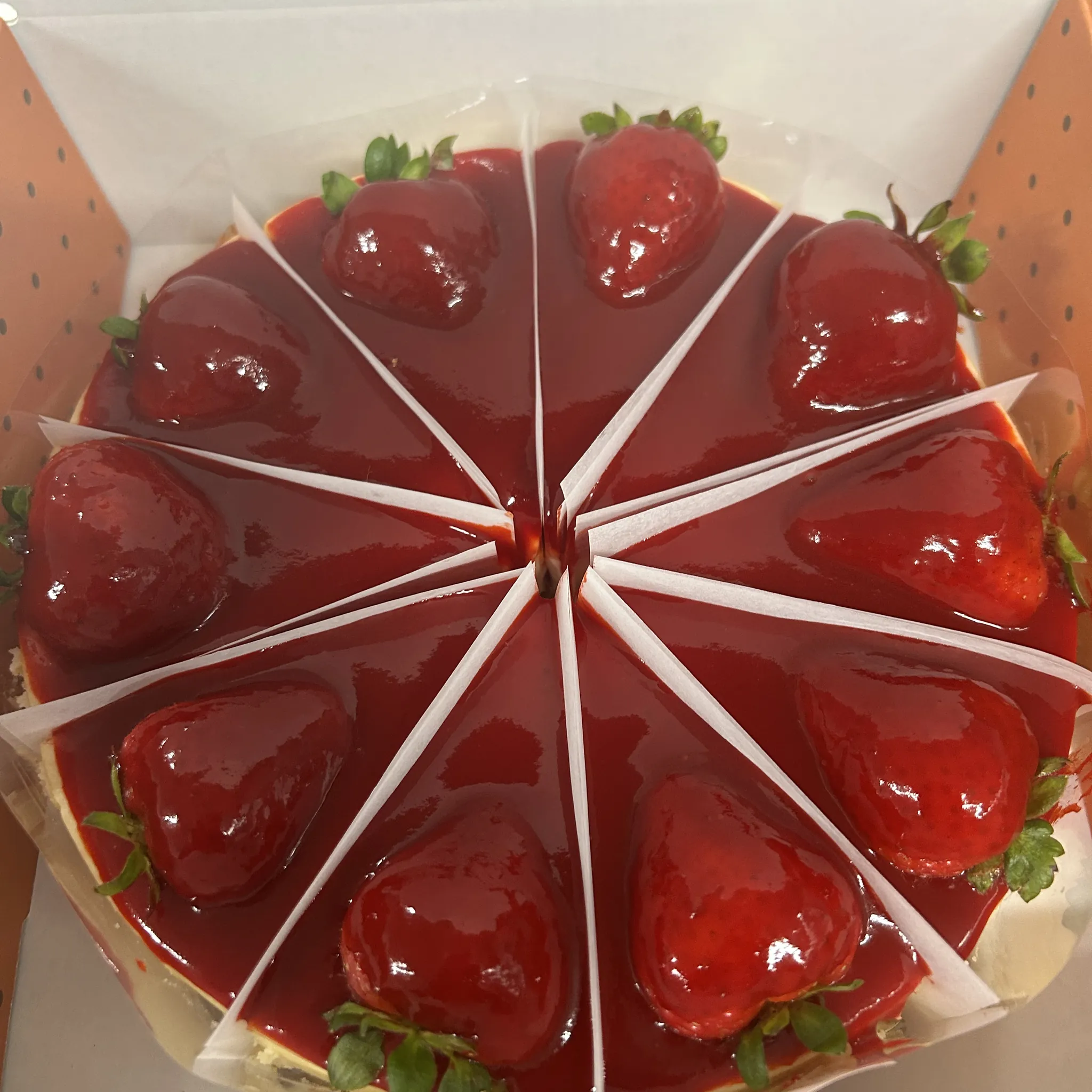
A great cheesecake does not need a topping to earn its place on the table. But the right finish can make a plain cake feel tailored to the occasion: bright berries for a birthday lunch, a deep chocolate drizzle for a dinner party, or a little crunch for a casual family gathering. The best cheesecake topping ideas do not bury the creamy filling. They give it contrast, color, and a reason to take one more bite.
Start with the cheesecake you are serving
The first decision is not the topping. It is the cheesecake underneath it. A classic NY-style cheesecake has a dense, gently tangy filling that can handle a generous fruit sauce or rich caramel. A chocolate, red velvet, or strongly flavored cheesecake usually needs a lighter touch, otherwise every bite starts competing with itself. Think of the topping as the supporting act, not a rescue plan.
For a plain cheesecake, choose the direction you want the dessert to take. Fresh fruit makes it feel bright. A glossy sauce makes it feel more polished. Chocolate, cookies, and nuts make it feel more indulgent. A clean slice with one intentional topping almost always looks better than a cake carrying every option in the pantry.
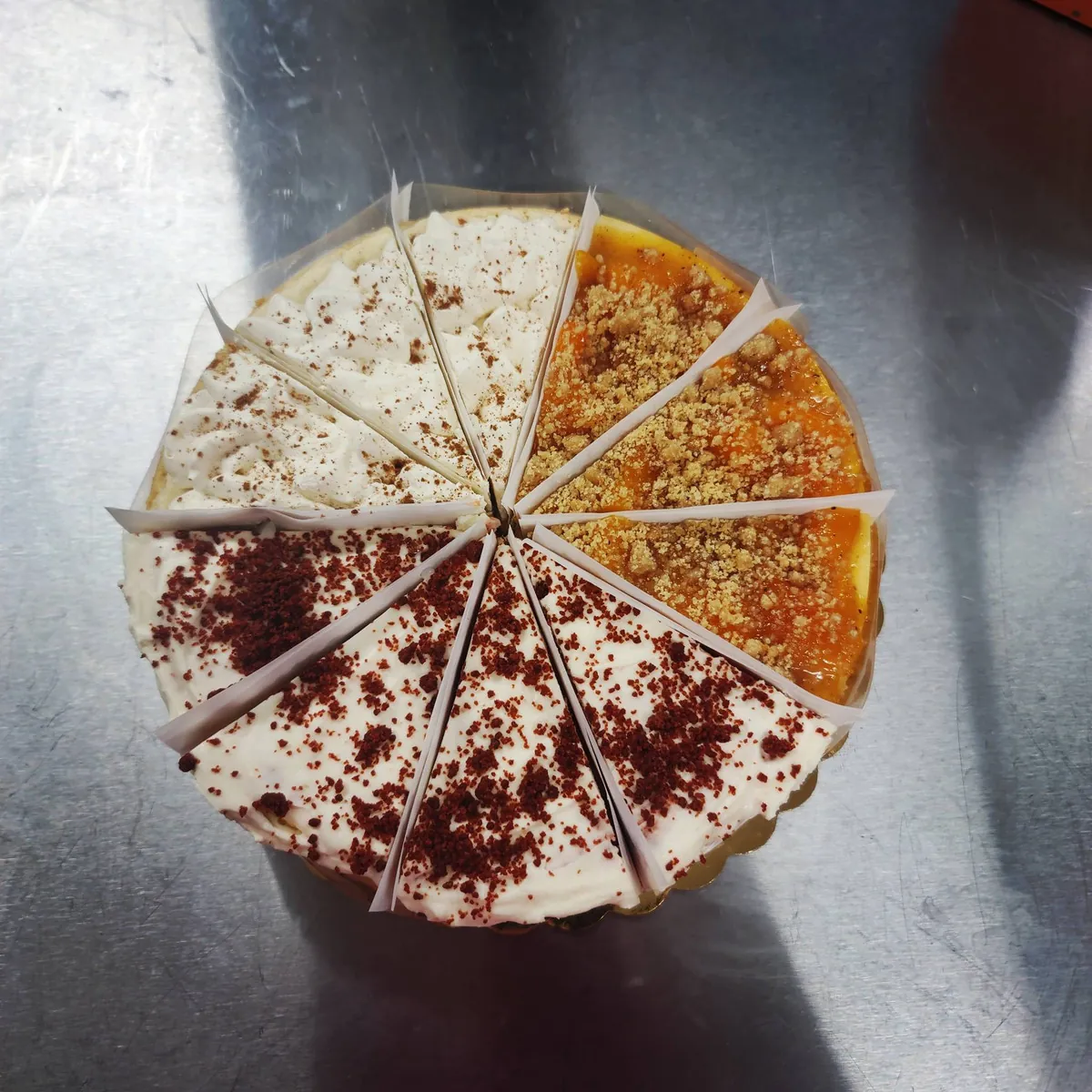
Cheesecake Carousel's whole cheesecakes give hosts a classic starting point, while the sampler cheesecake is helpful when a group wants several flavors without making one topping choice for everyone. If you are serving a crowd that will be moving around, cheesecake minis can make the topping decision individual instead of all-or-nothing.
Fresh fruit is the easiest bright finish
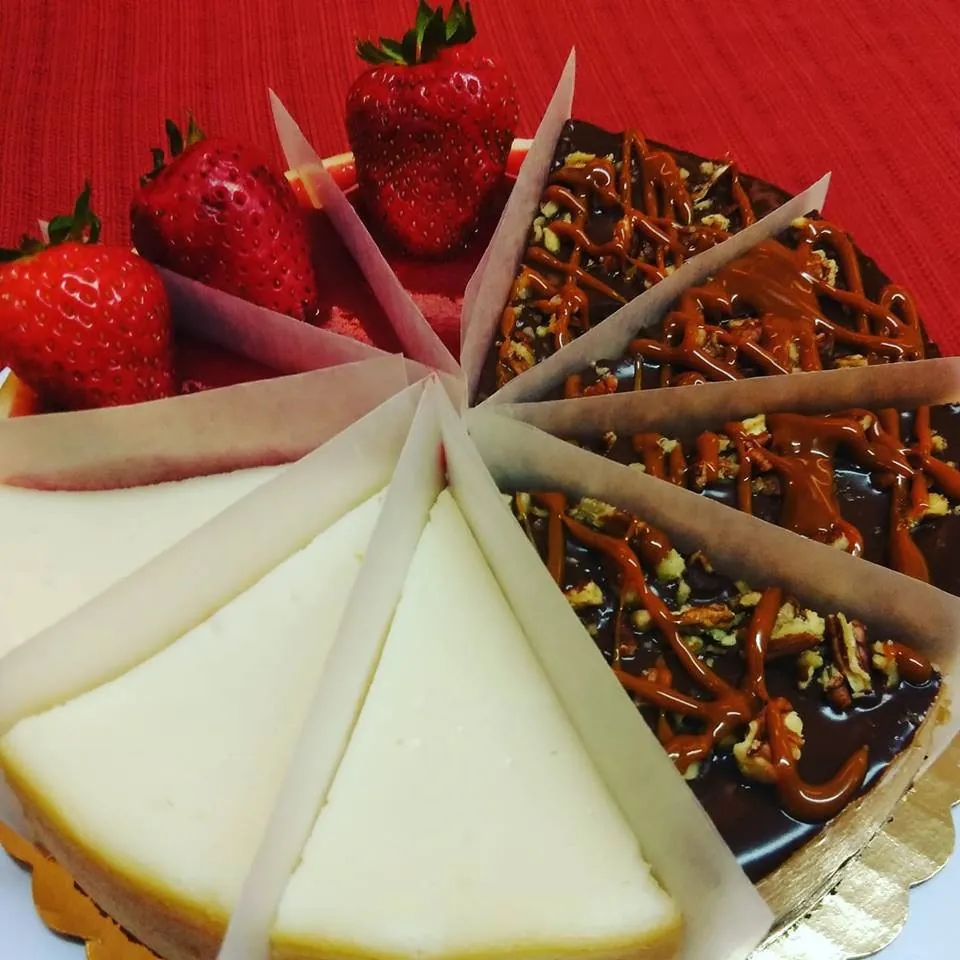
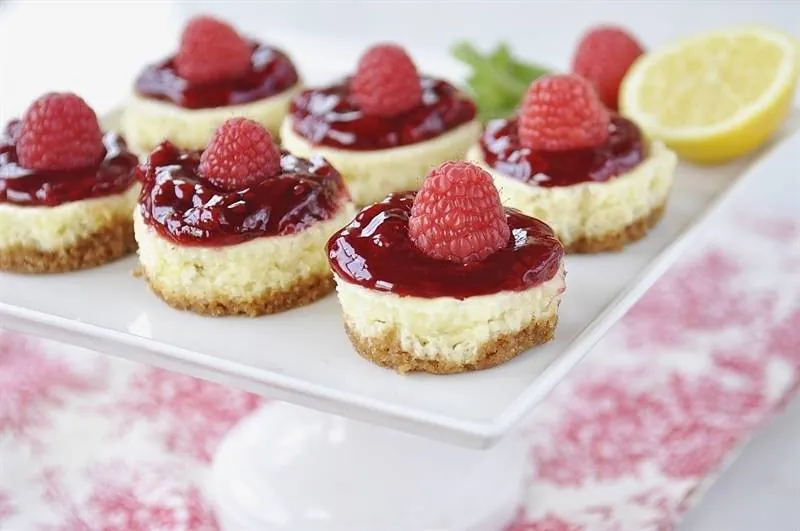
Fresh strawberries, blueberries, raspberries, blackberries, peaches, and mango all bring a clean contrast to a rich cheesecake. Berries are especially useful because they look generous without making the cake hard to slice. Arrange them in a loose ring around the edge, pile them in the center, or serve them beside each slice if you want the cheesecake surface to stay clean.
Fruit works best when it is dry and added close to serving time. Wash produce under cool running water, not soap or detergent, then dry it carefully before it reaches the cake. The USDA's produce-washing guidance also recommends refrigerating cut fruit promptly. That matters when berries and sliced fruit are part of a dessert table rather than a last-minute plate garnish.
Choose fruit that makes visual and flavor sense. Strawberries and raspberries bring color and tartness to a plain or vanilla-forward cheesecake. Blueberries and blackberries look beautiful with lemon, white chocolate, or a classic slice. Peaches and mango feel more relaxed and summery. When in doubt, pick one fruit direction instead of mixing five colors into a confused little fruit salad on top of the cake.
Use sauces when you want a polished look
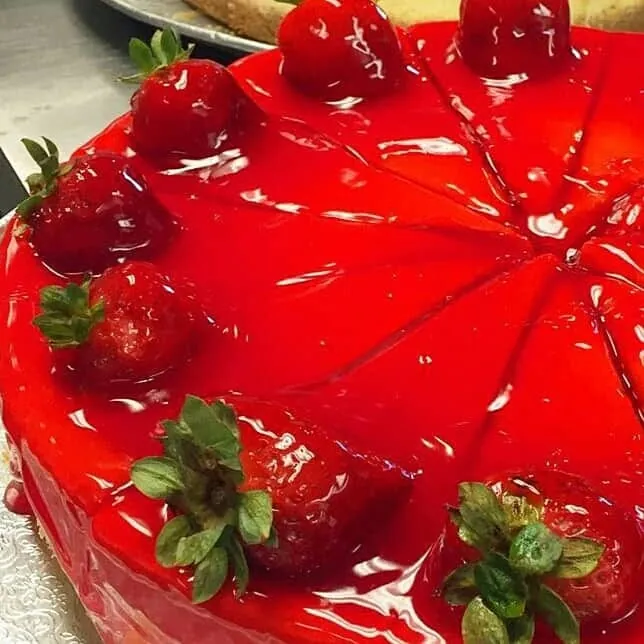
Sauces are the quickest way to turn a simple slice into a plated dessert. Strawberry or mixed-berry compote brings sweetness and a little tartness. Raspberry sauce is a strong choice when the cheesecake is especially sweet. Lemon curd gives a bright, sharp note. Caramel and chocolate add richness, so use them with a lighter hand on an already decadent cake.
A useful rule is to balance intensity. Tart toppings such as berry sauces and lemon curd work well when the cheesecake is sweet and creamy. Dark chocolate or salted caramel makes more sense when the cake is plain or vanilla-forward. The current topping guides that rank well for this question tend to organize choices by fruit, sauce, chocolate, and crunch. That is useful, but the more helpful choice is the one that suits the cake and the people at the table, not the one with the most ingredients.
Keep sauces cool or only lightly warm before serving. A very hot sauce can soften the surface of a chilled cheesecake and make clean slices messy. Spoon the sauce onto individual plates when you want a sharp presentation, or add it in a loose swirl over the top when the cake is meant to feel generous and informal. A fruit-topped cheesecake is the simple choice when you want the bakery to handle that finish from the start.
Add crunch without overwhelming the slice
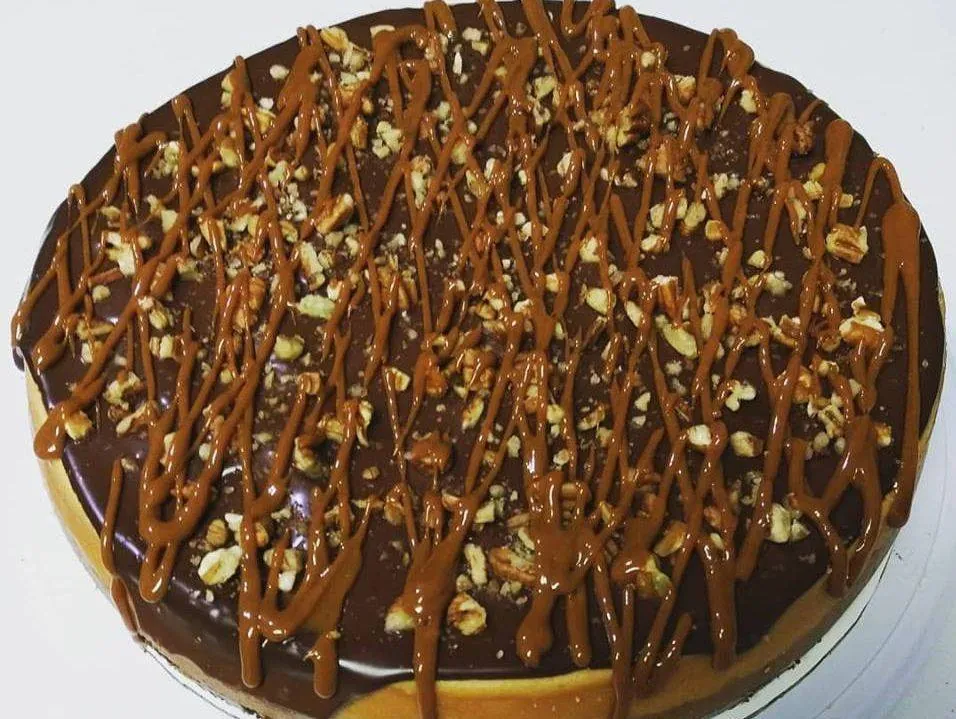
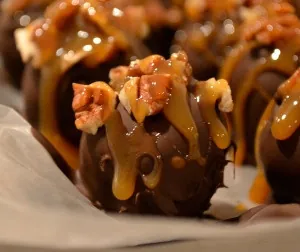
Cheesecake is smooth and creamy, so one crisp element can make every forkful more interesting. Toasted pecans, pistachios, almonds, cookie crumbs, chocolate shavings, or a small buttery crumble all work. The trick is scale. A few finely chopped nuts add contrast. A mountain of large, hard toppings makes the cake difficult to slice and gives guests more work than dessert should require.
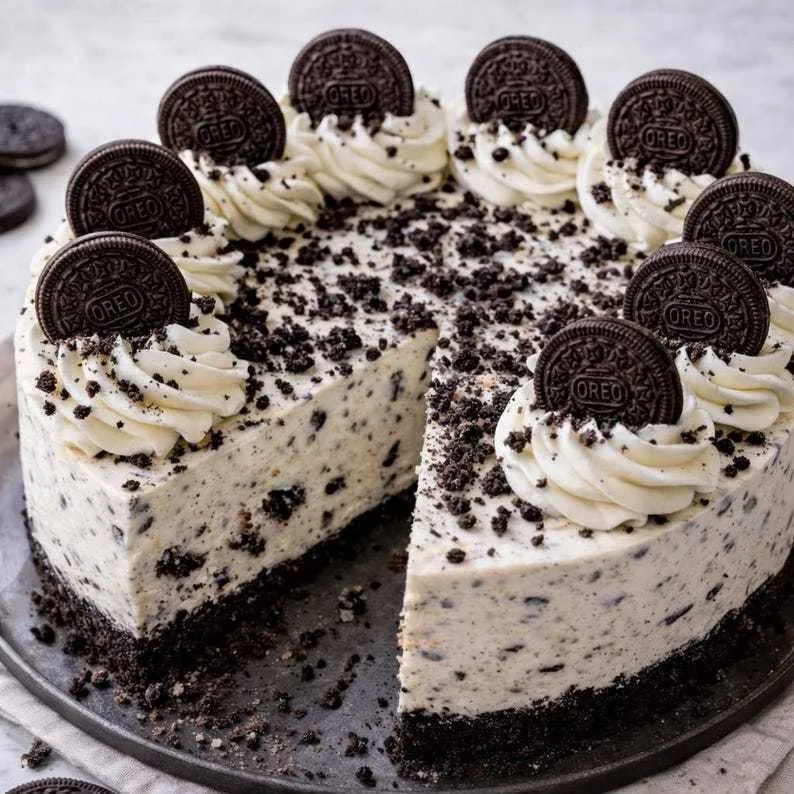
Cookie crumbs are an easy choice for a casual party, especially with chocolate, Oreo, or caramel flavor directions. Nuts bring a more grown-up finish and pair beautifully with chocolate, caramel, maple, or fruit. Always consider allergies and guest needs before scattering nuts across an entire cake. For mixed groups, serve crunchy toppings in a small bowl beside the cheesecake so people can choose their own finish.
Add anything crisp at the last practical moment. Refrigeration and sauce can soften a crumble quickly, which is fine for flavor but not ideal when the point is texture. If you are serving cheesecake over a longer event window, keep the cake simple and let guests add a spoonful of nuts, crumbs, or chocolate pieces to their own slice.
Match the topping to the occasion
For birthdays, keep the topping recognizable and easy to serve. Strawberries, a berry sauce, chocolate curls, or a few piped swirls of whipped cream look celebratory without taking over the cake. A whole cake can still have room for candles, a topper, or a simple message. If the dessert table already has plenty of color, a classic cheesecake with a restrained finish often looks more intentional than another busy centerpiece.
For dinner parties, lean into contrast. A plain NY-style cheesecake with raspberry sauce, lemon curd, espresso-chocolate sauce, or a few toasted nuts feels thoughtful without becoming fussy. Serve the topping at the table or on each plate so guests can see the clean slice first. That small pause lets the cheesecake itself make an entrance.
For showers, office events, and open-house gatherings, make service easy. Individual mini cheesecakes can carry different fruit, chocolate, or cookie finishes without requiring a host to cut a full cake. For a larger Charlotte event, the catering and events page is the better starting point for matching the dessert format to guest count and service style.
Keep the finish fresh and food-safe
Toppings are usually at their best when they are added close to serving. Fresh fruit can weep, whipped cream can soften, and crunchy pieces can lose their texture. Keep the cheesecake chilled while you prepare the finishing pieces, then assemble just before it goes to the table. If you need to work ahead, prepare the sauce, washed fruit, and crunchy garnish separately, then bring them together at the last moment.
Cheesecake is a dairy-based dessert, so it should not wait at room temperature all afternoon. The FDA's food-storage guidance says perishable foods should not stay out for more than two hours, or more than one hour when temperatures are above 90 degrees F. For an outdoor Charlotte celebration, put out only what guests are ready to enjoy and return the rest to the refrigerator.
That is also why a toppings bar needs a little structure. Set out shelf-stable cookies, chopped nuts, and chocolate pieces in small bowls. Keep cut fruit, whipped cream, and sauces cold until serving. A simple setup is more useful than a dramatic one that leaves dairy and fruit sitting warm beside the cake.
Let the cheesecake stay the main event
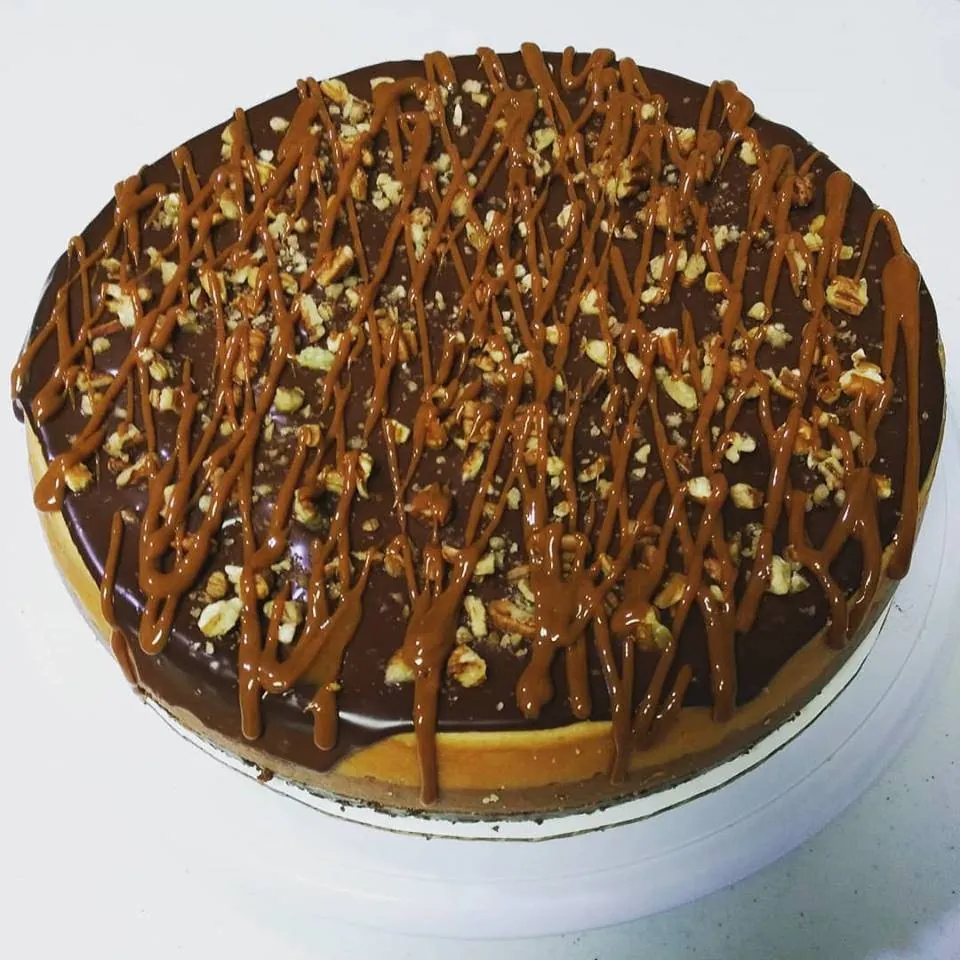
The best cheesecake topping ideas are not really about piling on more sweetness. They are about making one good cheesecake feel right for the people and moment in front of you. A plain cake with ripe strawberries can be exactly right for a spring birthday. A small caramel drizzle and toasted pecans can make a fall dinner feel complete. A tray of minis with two or three different finishes can make an office celebration easy for everyone to enjoy.
There is no need to make every slice identical, either. Put a plain whole cheesecake at the center of the table, then offer one fruit option, one sauce, and one crunchy finish on the side. Guests who love a classic slice can keep it simple. Guests who want more color or contrast can build their own plate. It feels thoughtful while keeping the cake itself easy to cut and serve.
Before the first guest arrives, do one quick practical check. Make sure there is room in the refrigerator for the cake until dessert, a clean knife for serving, and small spoons for any sauces. Those ordinary details make a topping look better because the finish stays where it belongs: on a cold, creamy slice rather than across the serving table.
If you would rather arrive at the party with dessert already handled, start with the Cheesecake Carousel menu. Choose a whole cake, fruit-topped cheesecake, sampler, or minis based on the way guests will eat, then keep any extra topping simple. The goal is a dessert that feels generous, slices cleanly, and gives the host one less thing to manage.
Frequently asked questions
What is the best topping for plain cheesecake?
Fresh strawberries or a simple berry sauce are reliable choices because their brightness balances the rich, creamy filling without hiding the classic cheesecake flavor.
When should I put toppings on cheesecake?
Add fresh fruit, whipped cream, sauces, and crunchy garnishes close to serving. That helps the fruit stay fresh, the cream stay firm, and crisp toppings keep their texture.
Can I put fresh fruit on cheesecake the night before?
You can prepare the fruit ahead, but it is usually better to add it close to serving. Fresh-cut fruit can release moisture that changes the cake's surface and makes the finish look less polished.
What toppings work for a cheesecake party?
A small selection of berry sauce, caramel, chopped nuts, cookie crumbs, and fresh fruit works well. Keep dairy-based toppings cold, and let guests add their favorites to individual slices or minis.