Cheesecake is one of the few celebration desserts that freezes remarkably well. That is useful when a whole cake is more than your table can finish, when you want to save a few slices for later, or when you are planning ahead for a busy week. The trick is not complicated, but it does reward a little patience: start with a completely chilled cheesecake, protect it from air, and let it thaw slowly in the refrigerator when it is time to serve.
Yes, you can freeze cheesecake
A baked cheesecake has a dense, creamy filling that holds together well in the freezer when it is protected from air and temperature swings. The crust may soften slightly after thawing, especially if it is very thin or heavily buttered, but the filling can stay smooth and satisfying. A whole cake, a few leftover wedges, or individual slices can all be frozen successfully.
Freezing is most useful when the cheesecake is still fresh. If you already know the leftovers will not be eaten in the next few days, do not wait for them to become a refrigerator question mark. Move the cake into the freezer while the texture is at its best. The bakery's cheesecake storage guide explains the refrigerator window, while this guide focuses on preserving a cake for later.
The food-safety distinction is simple: food kept continuously frozen remains safe, while freezer timelines are mostly about quality. The USDA's freezing guidance is a helpful reference for that principle. For cheesecake, a shorter plan still makes sense because flavor, crust texture, and toppings are better when the dessert has not spent months forgotten behind the frozen vegetables.
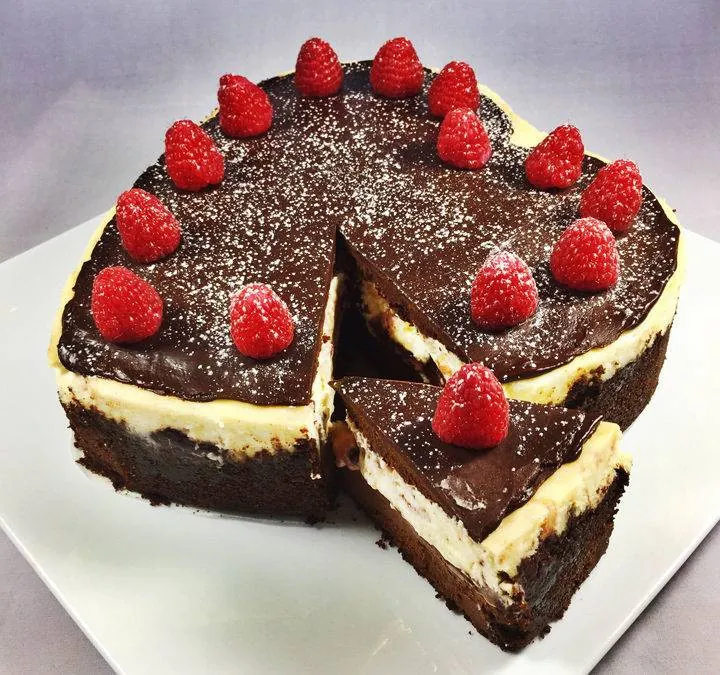
Start with a fully chilled cheesecake
Do not freeze cheesecake warm or even slightly soft from the counter. First, let it cool after baking, then chill it until the filling is firm all the way through. A cold cheesecake is easier to wrap without smudging the surface, and a firm slice is less likely to lose its shape when you handle it.
For a bakery cake, keep it level and refrigerate it promptly after pickup or serving. If there are fresh berries, whipped cream, a loose sauce, or crisp cookie pieces on top, think about whether those are worth freezing. Fruit and sauces can release moisture as they thaw, while whipped toppings may lose their neat finish. A plain cheesecake, or a cheesecake with a stable baked topping, is the easiest version to freeze.
If the cheesecake needs a little cleanup before freezing, this is the moment to do it. Transfer it to a flat board or tray, remove loose decorations, and make sure the base will stay level in the freezer. The goal is to freeze the dessert in the same calm state you would want to find it later.
Freeze a whole cheesecake in three protective layers
For a whole cheesecake, begin by placing the chilled cake on a flat cake board or sturdy plate. If it is in a springform pan, you can keep it there for the first freezing step, then wrap the pan securely. Slide the cake into the freezer uncovered for about an hour, just until the surface feels firm. This short pre-freeze helps the wrap stay off delicate toppings and keeps the top from getting pressed.
Once the surface is firm, wrap the cake tightly in plastic wrap. Work around the sides and underneath so air cannot circulate around the cake. Add a second layer of wrap or a layer of aluminum foil, then place the protected cake in a large freezer bag or a rigid freezer-safe container when you have room. Multiple layers may feel fussy, but they prevent freezer burn and keep the cheesecake from absorbing odors.
Keep the cake flat. A tilted cheesecake can thaw with a lopsided top, cracked edge, or shifted sauce. Label the outside with the flavor and date, especially if your freezer is home to several mystery packages. A simple date is enough to help you use the cake while the quality is still excellent.

Freeze slices when you want dessert on your schedule
Individual slices are often the most practical freezer plan. They thaw faster, make portion control easy, and let you save a few servings without committing to a full cake. This works especially well when a family wants different dessert nights, when you have leftover sampler slices, or when you want a small treat ready after dinner.
Cut the cheesecake while it is cold, using a warm, clean knife between slices for neat edges. The cheesecake slicing guide shows the simple warm-and-wipe routine. Place the slices on a parchment-lined tray with space between them, freeze until firm, then wrap each piece individually. Parchment between slices is useful when you want to store several portions in one container.
A wrapped slice can go into a freezer-safe bag or lidded container. Press out excess air from a bag without crushing the cheesecake. For an even easier serving plan, group two or three slices together only when they are already individually wrapped, so you can take out exactly what you need.
How long does frozen cheesecake stay at its best?
For the best flavor and texture, aim to enjoy frozen cheesecake within one to three months. The cheesecake will not suddenly fail on the date you write on the package, but time in the freezer can dry the edges, dull flavor, and make the crust less crisp. The shorter end of that range is especially smart for cakes with fruit, delicate toppings, or a lighter texture.
Freezer temperature matters. Keep the cheesecake in the main body of the freezer rather than in the door, where warm air reaches it every time someone looks for ice. A stable, cold spot gives the dessert the best chance of thawing as creamy as it went in.
If you are freezing cheesecake for a planned event, count backward from the serving date. A whole cake needs refrigerator thawing time, and a decorated cake may need a few extra minutes for final toppings. Planning that part in advance is easier than trying to speed up a frozen dessert on the morning of a celebration.
Thaw cheesecake slowly in the refrigerator
The refrigerator is the right place to thaw cheesecake. Move a whole cake from the freezer to a level refrigerator shelf the day before you want to serve it. Most whole cheesecakes need overnight thawing. Individual slices often need a few hours, depending on their size and how cold your refrigerator runs.
Leave the cheesecake wrapped while it thaws. Condensation belongs on the outside of the wrapping, not on the surface of the cake. Once the cheesecake is thawed, unwrap it, blot away any moisture on the board or container, and add delicate toppings close to serving time. The U.S. cold-food storage chart is a useful reminder to keep perishable desserts refrigerated rather than using the counter as a thawing station.
Avoid microwaving a whole cheesecake or leaving it out for hours to hurry the process. Fast heat can make the edges soft and uneven while the center stays frozen. Slow thawing keeps the filling stable and gives the crust a better chance of holding together.
What to do after cheesecake has thawed
Once a cheesecake is fully thawed, treat it like a fresh refrigerated dessert. Keep it covered and cold, then serve it within the same short window you would use for a newly purchased or baked cake. Do not freeze, thaw, and refreeze it repeatedly. Each cycle creates more moisture changes and makes the texture less reliable.
If the top looks slightly damp after thawing, do not panic. Let the cake sit uncovered in the refrigerator for a short time so excess condensation can evaporate, then add fresh fruit, sauce, chocolate, or whipped cream just before serving. A neat finish makes a thawed cheesecake look intentional, not rescued.
When the occasion matters, build the serving plan around the cake. Keep the cheesecake chilled until dessert, use a clean knife for slices, and put out only what guests are ready to enjoy. The FDA's food-storage advice is clear that dairy-based foods should not spend an afternoon at room temperature.
Use the freezer to make celebration planning easier
Freezing is not only a leftover plan. It can make a birthday, holiday, office treat, or dinner party less frantic. A whole cheesecake can be picked up ahead when the bakery's schedule and your own schedule line up, then held carefully until the event. Slices can also make a quiet dessert stash for a household that does not want to finish a whole cake at once.
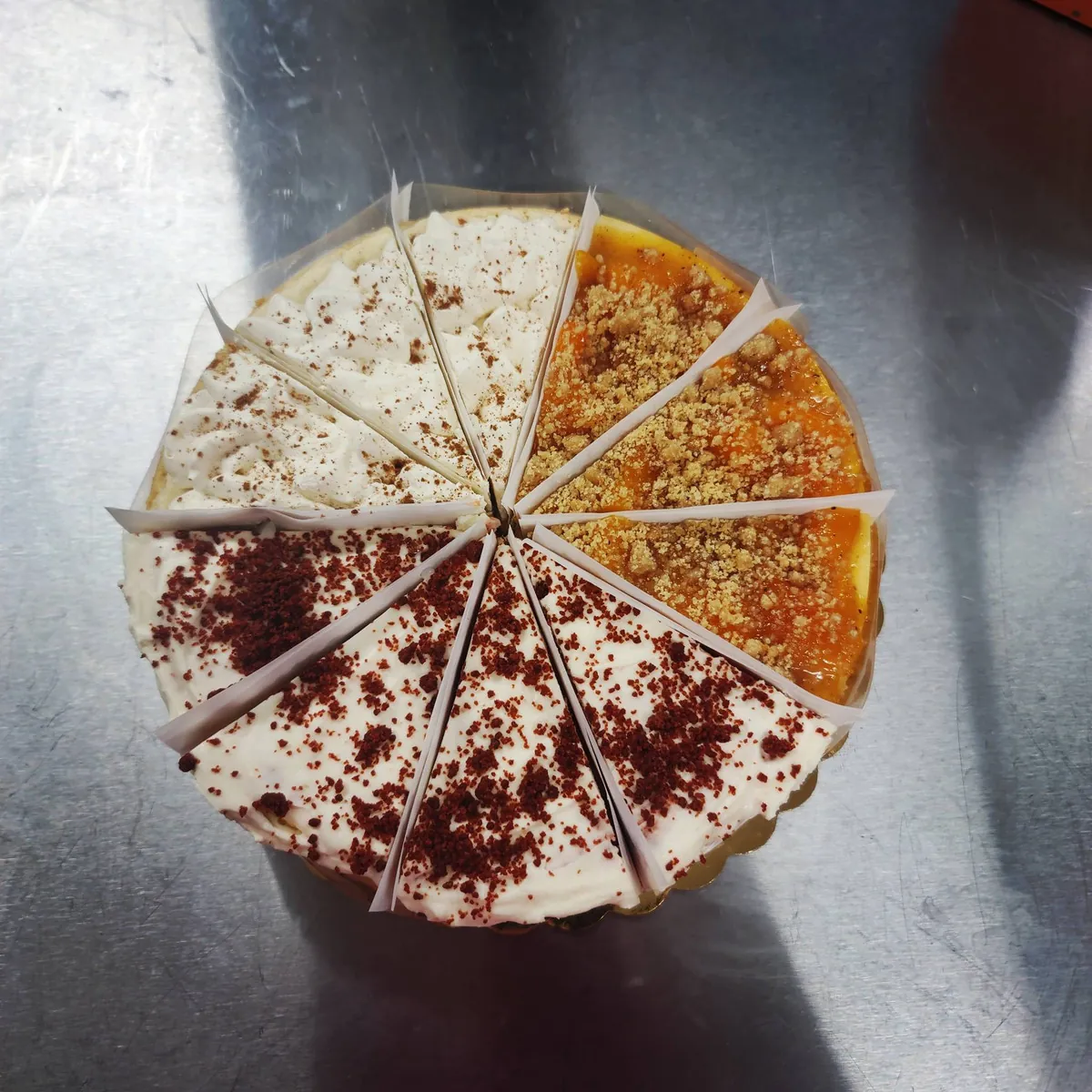
For a larger group, freezer planning can help you choose the right dessert format from the start. A whole cake works beautifully for a seated dinner or birthday table. Cheesecake minis are easier for a crowd that will be moving around, while a sampler cheesecake lets guests choose among several flavors. The best format is the one that fits the guest flow before anyone reaches for a fork.
If you are planning a Charlotte event, the catering and events page can help you think through guest count, serving style, and refrigeration before the order is placed. A little planning protects the dessert and keeps the host from having to solve cold-storage logistics during the party.
When a fresh whole cheesecake is the better answer
Freezing is useful, but it is not always the best answer. If the cake is for a milestone dinner, a wedding weekend, or a table where a polished finish matters most, fresh pickup close to the event may be the simpler choice. That preserves delicate toppings and keeps the day focused on serving rather than thawing.
Cheesecake Carousel offers whole cheesecakes for birthdays, dinners, and shareable celebrations, plus ship-ready whole cheesecake options when dessert is heading beyond Charlotte. For a local event, the bakery can help match the dessert format to the date, guest count, and serving plan.
The freezer is a helpful tool, not a requirement. Use it when it gives you breathing room. When the dessert needs to be at its most polished, start with a fresh cake and make room in the refrigerator before pickup.
A simple cheesecake freezing checklist
Chill the cheesecake completely. Freeze the surface briefly if you need it firm enough to wrap. Use at least two protective layers, then place the cake or slices in a freezer bag or rigid container. Keep the package flat, label it with the date, and plan to enjoy it within one to three months for the best quality.
When you are ready to serve, thaw the cheesecake in the refrigerator while it is still wrapped. Give a whole cake overnight and individual slices a few hours. Add fresh toppings after thawing, keep the dessert cold until serving, and enjoy a slice that still tastes like it was saved on purpose.
Frequently asked questions
Can you freeze a whole cheesecake?
Yes. Chill the cheesecake completely, firm the surface briefly in the freezer if needed, wrap it tightly in more than one layer, and keep it level in a freezer-safe bag or container.
How long can cheesecake stay frozen?
Cheesecake is usually best within one to three months in the freezer. Food kept continuously frozen stays safe, but the dessert's texture and flavor are better when it is not held too long.
Do you thaw cheesecake in the refrigerator or on the counter?
Thaw cheesecake in the refrigerator. Leave it wrapped while it thaws so condensation stays on the outside of the wrapping, then serve it chilled.
Can I freeze cheesecake slices?
Yes. Freeze chilled slices separately until firm, wrap each one tightly, then store them in a freezer-safe bag or container so you can take out only the portions you want.
Can you refreeze thawed cheesecake?
It is better to avoid repeated freezing and thawing. Once the cheesecake is thawed, keep it refrigerated and enjoy it within the normal short storage window for a dairy-based dessert.