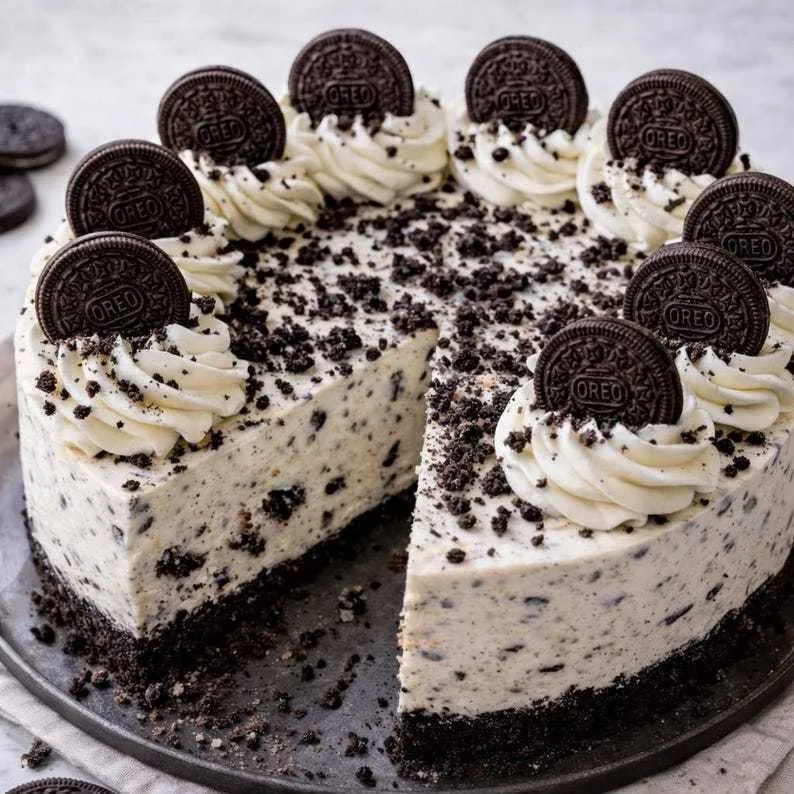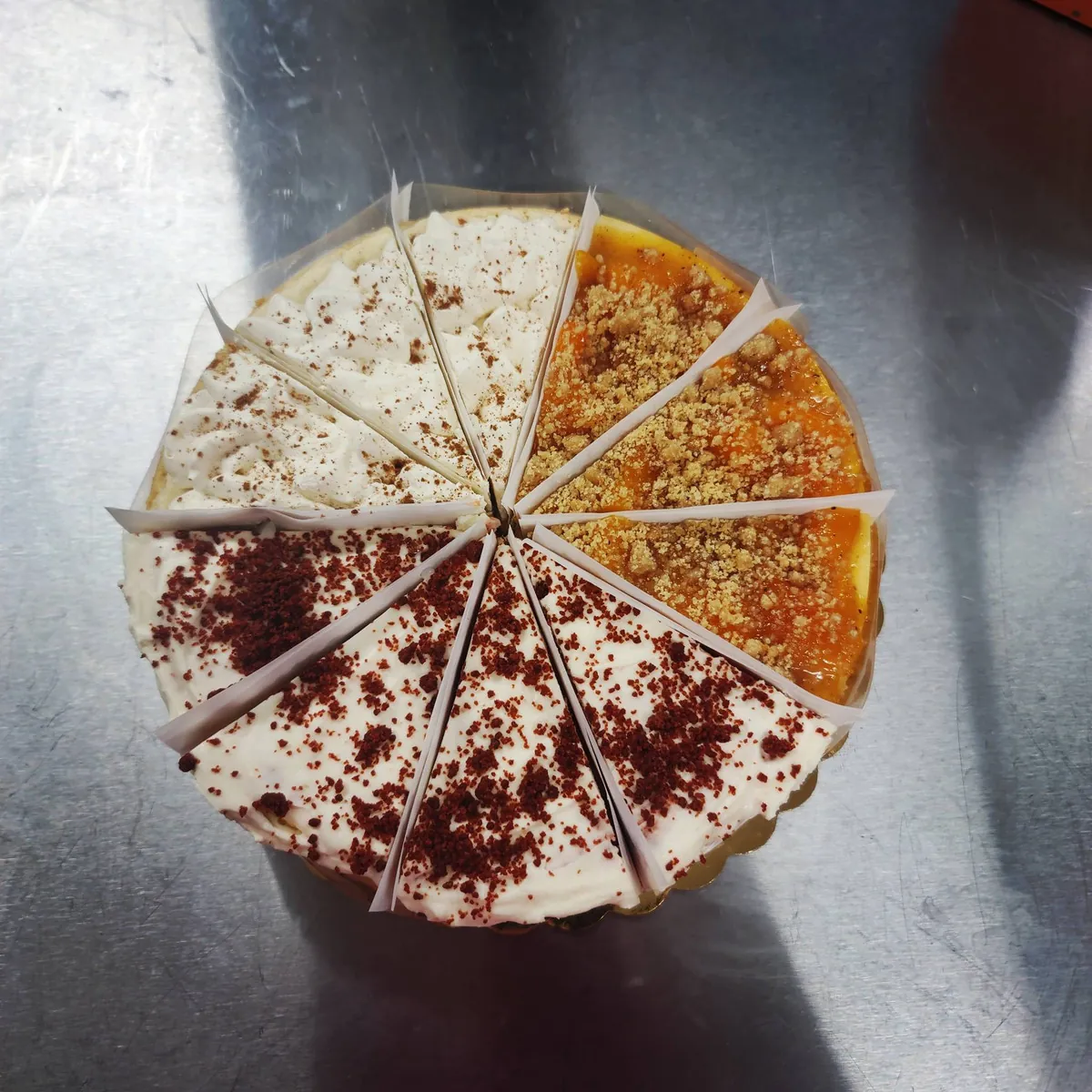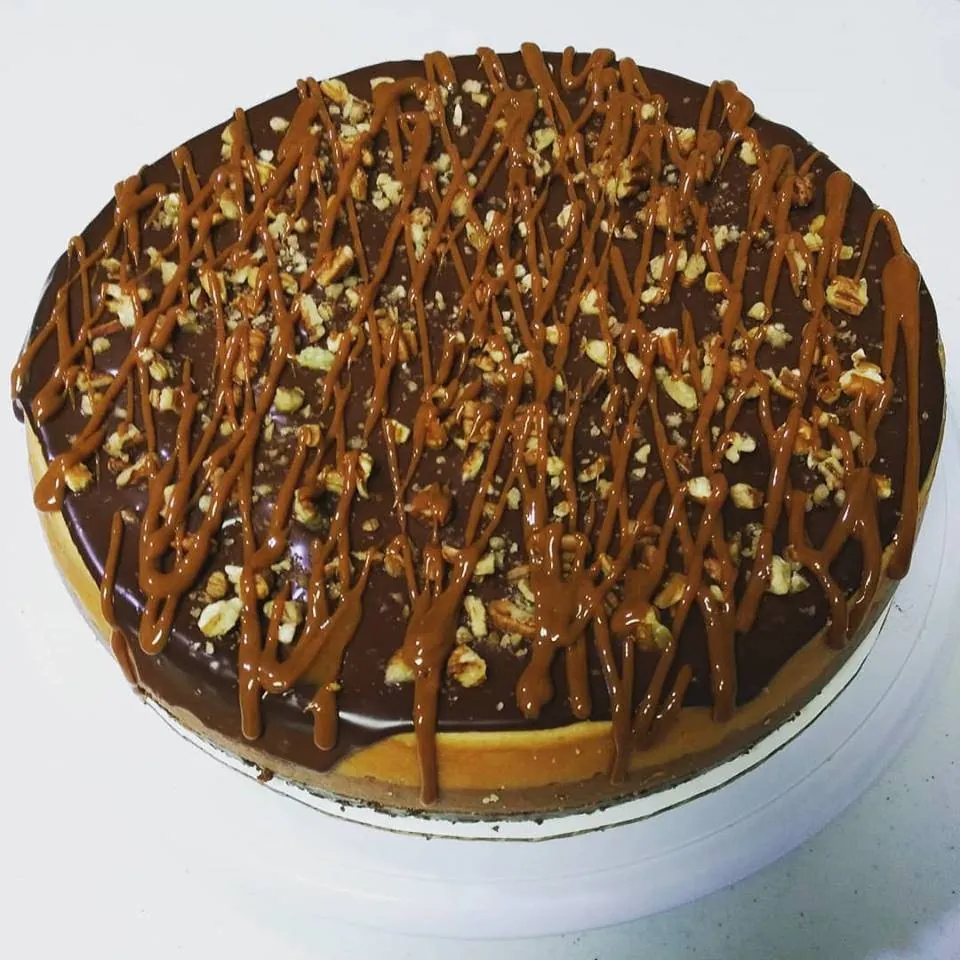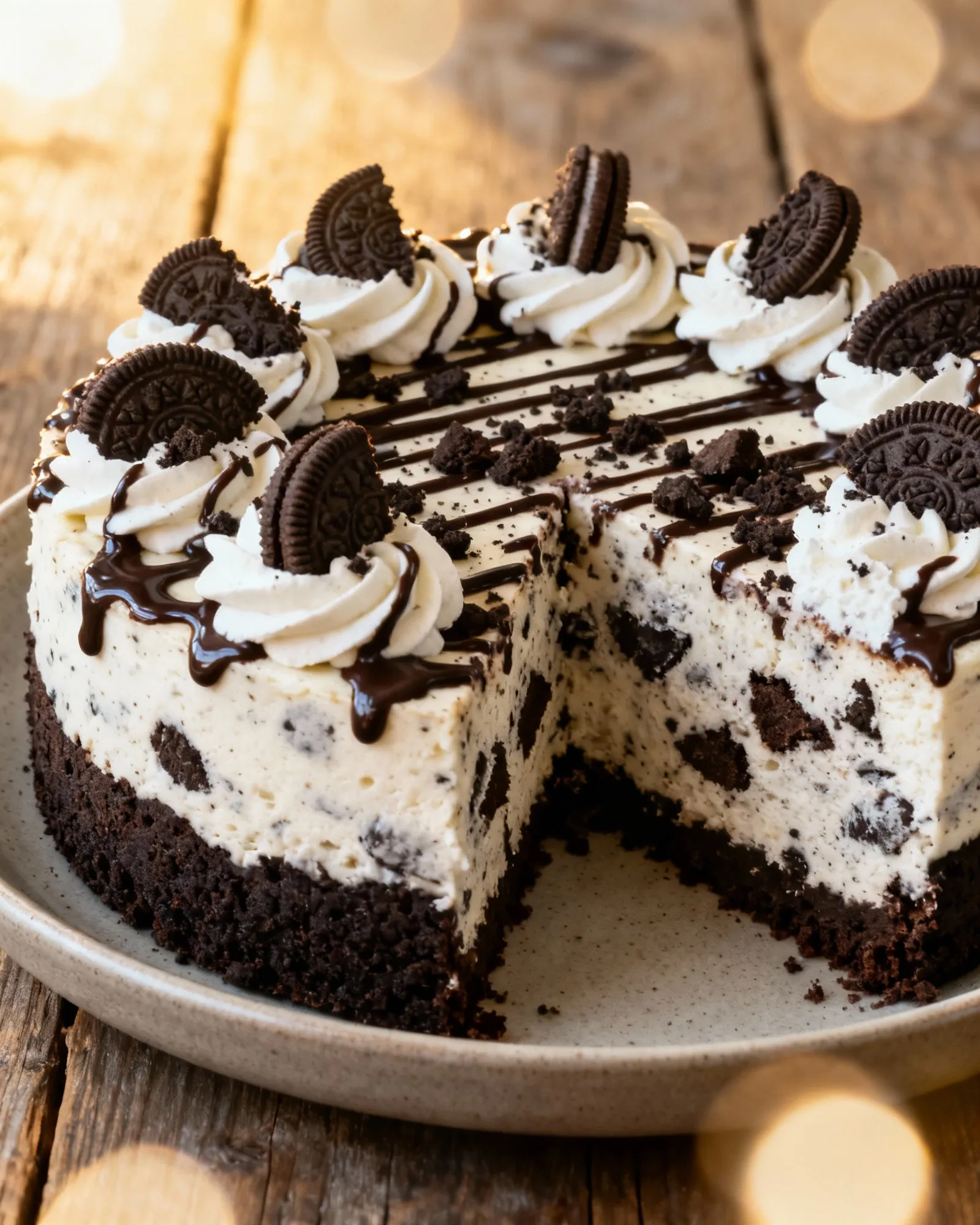
Cheesecake should start cold, but it does not have to be eaten straight from the refrigerator. A short rest before serving can soften the filling just enough for a creamier texture and fuller flavor, while the cake still holds a clean slice. The important distinction is between tempering a chilled cheesecake for dessert and leaving a dairy-based cake on the counter for hours.
The short answer: slightly softened is usually best
For most baked cheesecakes, the best serving point is slightly chilled rather than truly room temperature. Take a refrigerated cake out shortly before dessert, let it lose the hard refrigerator edge, then serve it while the filling is still cool and steady. That gives the cream cheese a chance to soften without turning the cake loose, warm, or difficult to cut.
There is no single minute count that fits every cake. A thin slice on a cool plate changes quickly. A tall whole cheesecake from a cold refrigerator needs more time. Start with a brief rest, about 15 to 30 minutes for a standard chilled cake, and use the look and feel of the dessert as your guide. The surface should no longer feel rock-hard, but the slice should still stand upright when it reaches the plate.
This approach also gives hosts a calmer service plan. You do not need to wait for a cake to become warm before guests arrive. Keep it refrigerated until the meal is winding down, bring it out when you are ready to slice, and return any leftovers to the refrigerator promptly. Dessert should feel generous, not like a clock-watching exercise.
Why refrigerator-cold cheesecake tastes and feels different
Cold cheesecake is firmer because the fats in the dairy filling are more set. That can be exactly what you want when you are making precise cuts, carrying slices to a buffet, or serving a cake with a delicate topping. A very cold slice also feels dense and refreshing, which plenty of people prefer.
As the cake sits briefly, the filling relaxes. The texture becomes silkier and the flavor can seem more open because the creamy, tangy notes are not muted by a deep chill. That is why a few minutes on the counter can make a classic NY-style cheesecake feel more luxurious without changing the dessert itself.
The answer is preference as much as technique. If your guests love a firm, cold slice, serve it directly from the refrigerator. If you want a softer, creamier bite, give it a short rest. The useful rule is not that cheesecake must be warm. It is that a deliberate serving temperature makes the cake feel better than an accidental one.
Use the topping and style of cheesecake as your guide
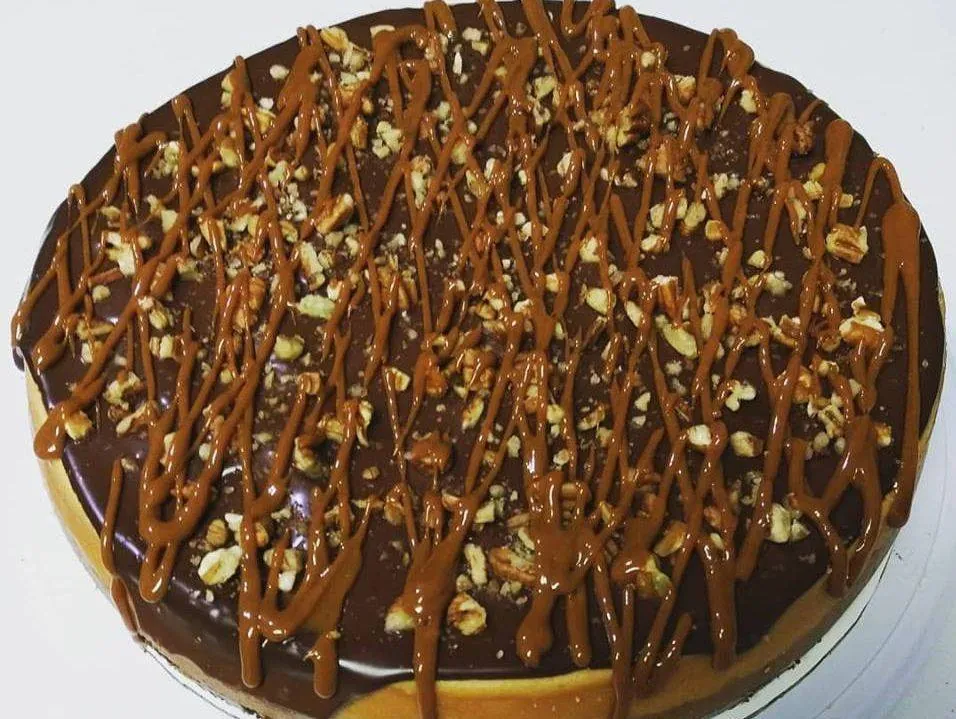
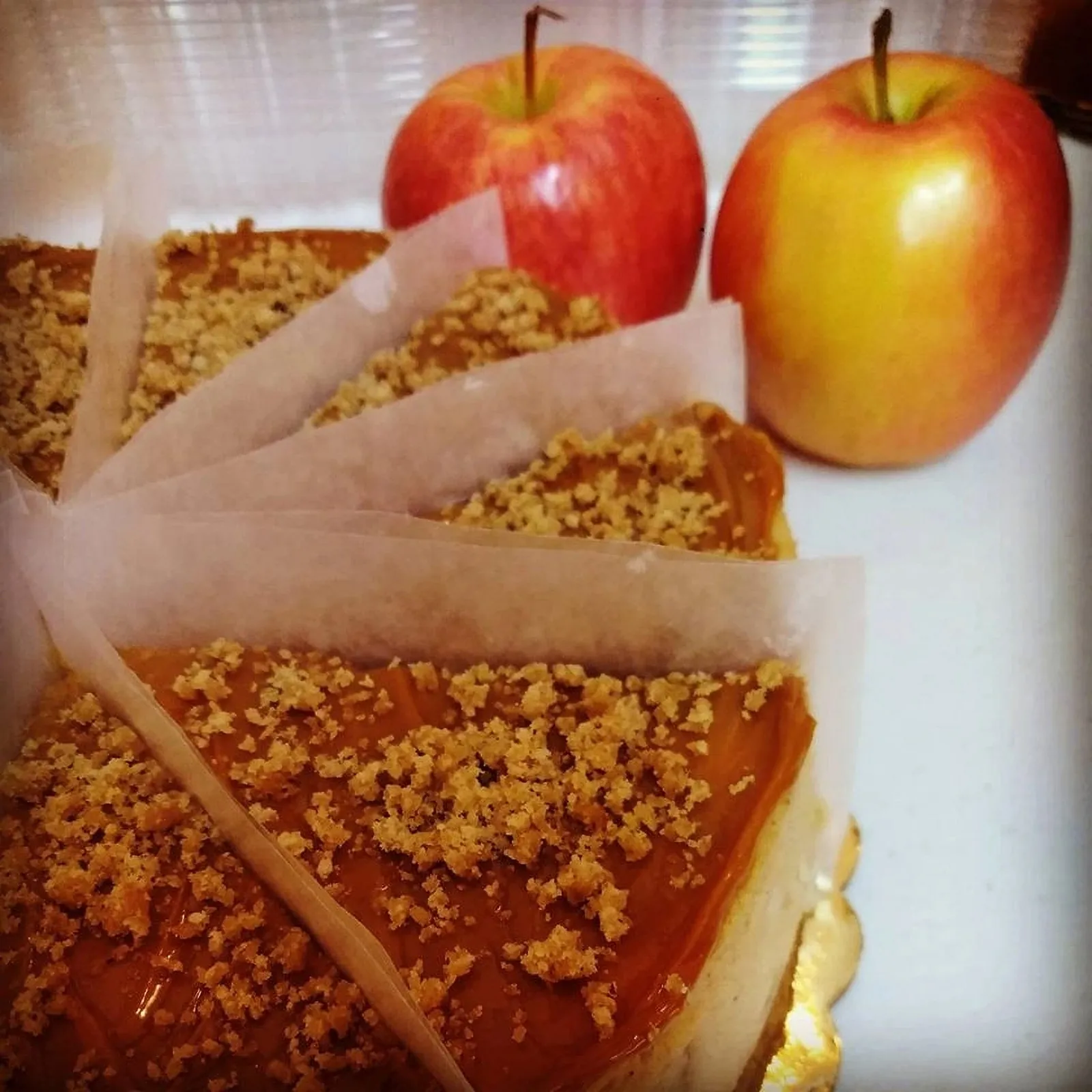
A plain baked cheesecake is usually the easiest cake to temper briefly. Its dense filling stays composed, and a short rest lets the classic cream-cheese flavor come forward. Cheesecake with a fruit sauce, caramel, or chocolate drizzle can also benefit from a few minutes out of the refrigerator, especially when the topping is meant to be glossy rather than stiff.
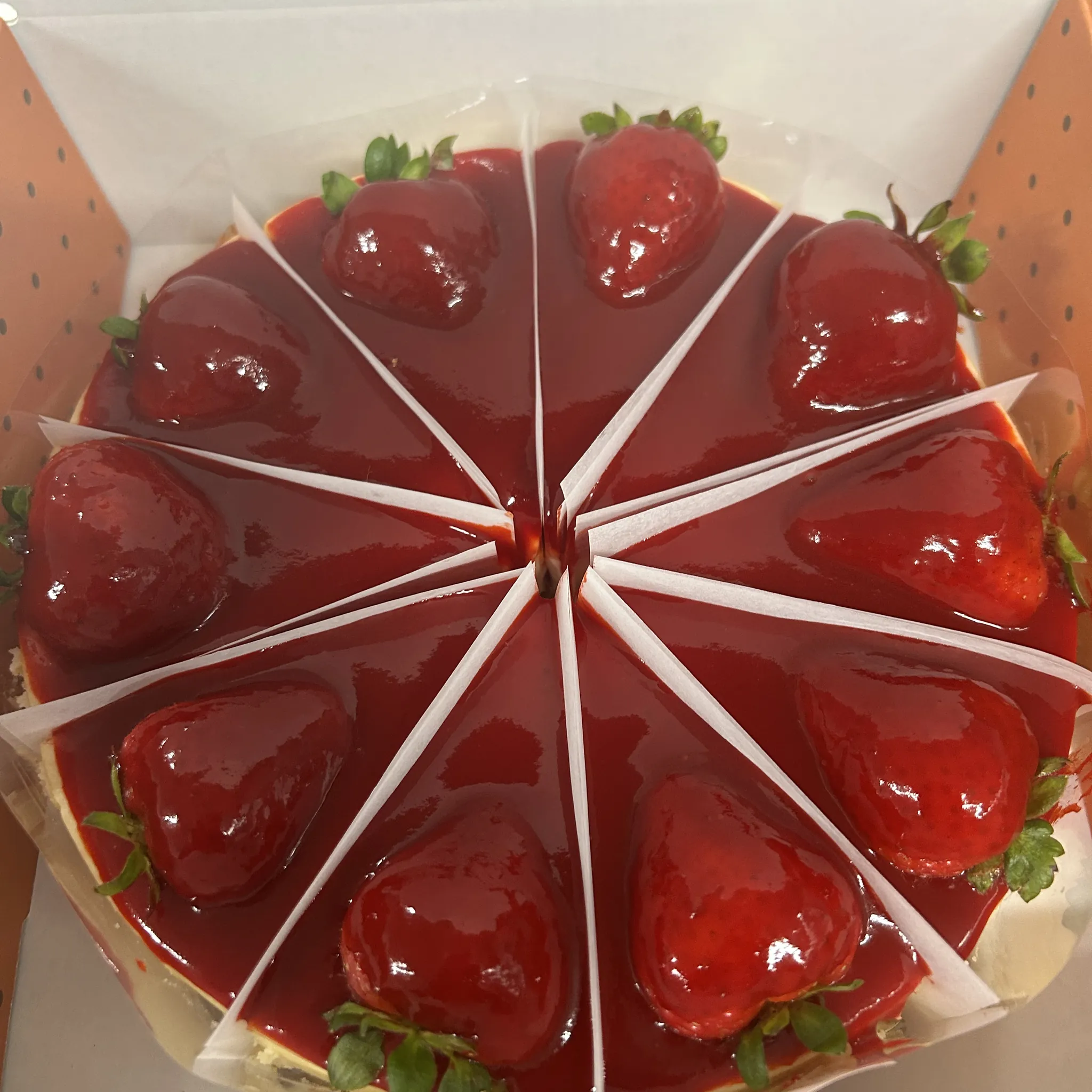
Fresh-fruit toppings call for a little more care. Berries, whipped cream, and soft sauces can lose their polish if the cake waits too long in a warm room. Keep a fruit-topped cheesecake refrigerated until closer to serving, then bring it out only when plates and knives are ready. A fruit-topped cheesecake already has a finishing detail worth protecting.
Some styles have their own traditions. Basque cheesecake is often enjoyed at a softer temperature, while a frozen cheesecake needs a controlled refrigerator thaw before it is ready to serve. If you are unsure what a particular bakery recommends, ask when you order. A good answer should account for the cake's size, topping, and how it was stored.
Keep food safety separate from serving preference
A brief serving rest is not the same as storing cheesecake at room temperature. Cheesecake is made with dairy and often eggs, so it belongs in the refrigerator when it is not being served. The FDA's food-storage guidance says perishable food should not stay at room temperature for more than two hours, or more than one hour when temperatures are above 90 degrees F.
That means an indoor dinner can comfortably include a short tempering period and a dessert course. It does not mean a whole cheesecake should sit on a buffet from brunch through the afternoon. For an outdoor Charlotte event, summer heat shortens the margin quickly. Put out the amount people are ready to enjoy, keep the rest cold, and replenish the table as needed.
Do not rely on a sniff or a taste to decide whether a cake has been out too long. Time and temperature are the useful facts. When the serving window ends, cover leftovers and refrigerate them. If you are planning a larger celebration, the catering and events page can help you choose a format that is easier to hold and serve well.
A simple serving plan for a whole cheesecake
Start with a fully chilled cake. Cheesecake needs time in the refrigerator to set, so do not rush from baking or delivery straight into slicing. When it is time for dessert, clear a level serving spot, set out plates, and use a long sharp knife. Take the cake out only after the rest of the table is ready.
For clean slices, dip the knife in hot water, dry it, make one confident cut, then wipe and repeat. The cheesecake slicing guide shows the warm-and-wipe routine in more detail. A slightly softened cake can be easier to enjoy, but a clean knife does more for a polished presentation than leaving the cake out for an extra hour.
If the cake is for a birthday or dinner party, let it sit briefly while people finish the meal, then slice and serve. If guests will return for seconds, keep the remaining cake covered and cold until they are ready. This is the sweet spot: a creamy first bite, tidy slices, and a dessert that stays safe through the celebration.
How to handle cheesecake for a larger gathering
A large group changes the question from “what temperature tastes best?” to “how can everyone get a good slice?” Whole cakes are lovely for a seated dinner or a short dessert course, but they require someone to slice and serve. Keep backup cakes refrigerated, and bring out one at a time instead of displaying every dessert at once.
For an open house, shower, office event, or guest list that moves in waves, individual portions make temperature and service simpler. Cheesecake minis are easy to put out in smaller batches, and guests can take a dessert without waiting for a cake to be cut. Truffles and sampler formats can offer the same flexibility when variety matters.
Give the person managing dessert a simple plan: cold desserts stay cold until the serving moment, the first tray comes out when guests are ready, and extra portions remain covered in the refrigerator. That protects the texture, keeps the table looking fresh, and prevents a beautiful dessert from becoming a warm leftover before half the guests arrive.
Choose the serving temperature that suits the occasion
For a quiet dinner, a short rest before plating makes a classic cheesecake feel especially creamy. For a birthday cake, serve it chilled enough to slice neatly, then let the individual plates soften naturally as candles are blown out. For a buffet or outdoor gathering, favor cold holding and small batches over a long countertop display.
If you are serving cheesecake after it has been frozen, thaw it in the refrigerator first. The freezing guide explains how to protect the texture and thaw it safely. Once it is thawed and chilled, use the same short serving rest you would use for a fresh cake, not a prolonged counter thaw.
Cheesecake Carousel makes it easy to choose the format around the moment: a whole cheesecake for a shared table, minis for easy individual bites, or a sampler when a group wants more than one flavor. Keep the cake cold until dessert, let it soften slightly if that suits the style, and let the celebration do the rest.
A little planning also protects the host from the most common last-minute scramble. Clear enough refrigerator space before pickup, decide where the cake will sit while it is being sliced, and put the serving tools nearby. If the cake has a delicate fruit finish, wait to add any final garnish until close to dessert. These small steps preserve the contrast between a cold, creamy filling and a fresh topping without turning the table into a staging area.
When the meal runs late, do not try to rescue the schedule by leaving the cheesecake out. Return it to the refrigerator and bring it back when dessert is actually happening. Guests will not mind a cake that is slightly chilled. They will notice a dessert that has softened too far, lost its clean edges, or sat around long enough to make everyone wonder whether it is still safe.
Frequently asked questions
How long should cheesecake sit out before serving?
For a standard refrigerated cheesecake, about 15 to 30 minutes is usually enough to soften the filling slightly while keeping the cake chilled and easy to slice.
Can cheesecake sit out at room temperature all day?
No. Cheesecake is perishable and should not sit at room temperature for more than two hours, or more than one hour in temperatures above 90 degrees F.
Is cheesecake better cold or at room temperature?
It depends on your preference. Chilled cheesecake is firmer and easier to cut, while a briefly tempered slice can feel creamier and show more flavor.
Should I thaw frozen cheesecake on the counter?
No. Thaw frozen cheesecake in the refrigerator, then give it only a brief rest before serving if you want a softer texture.