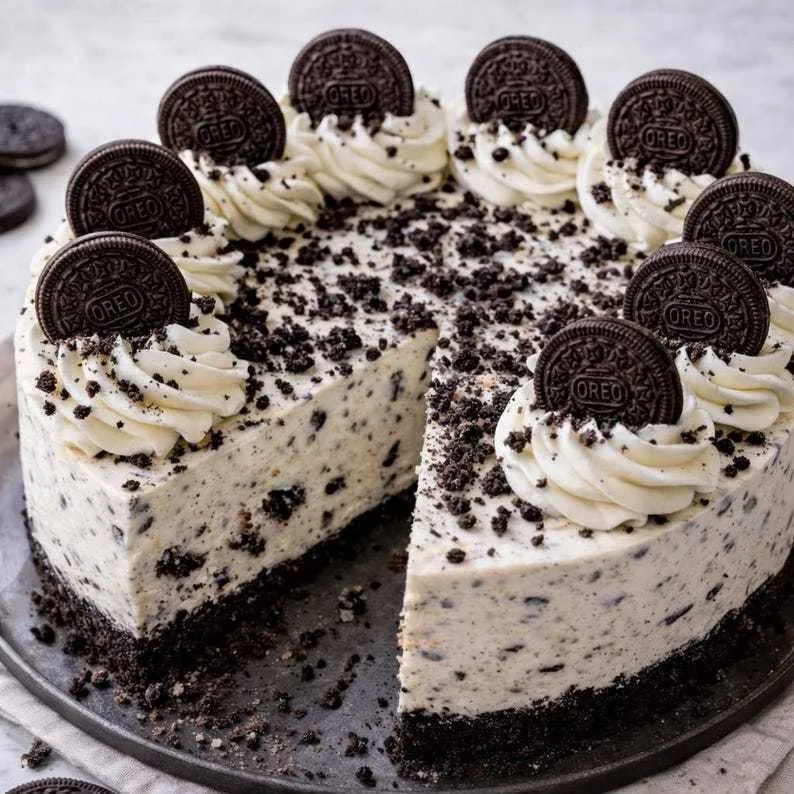
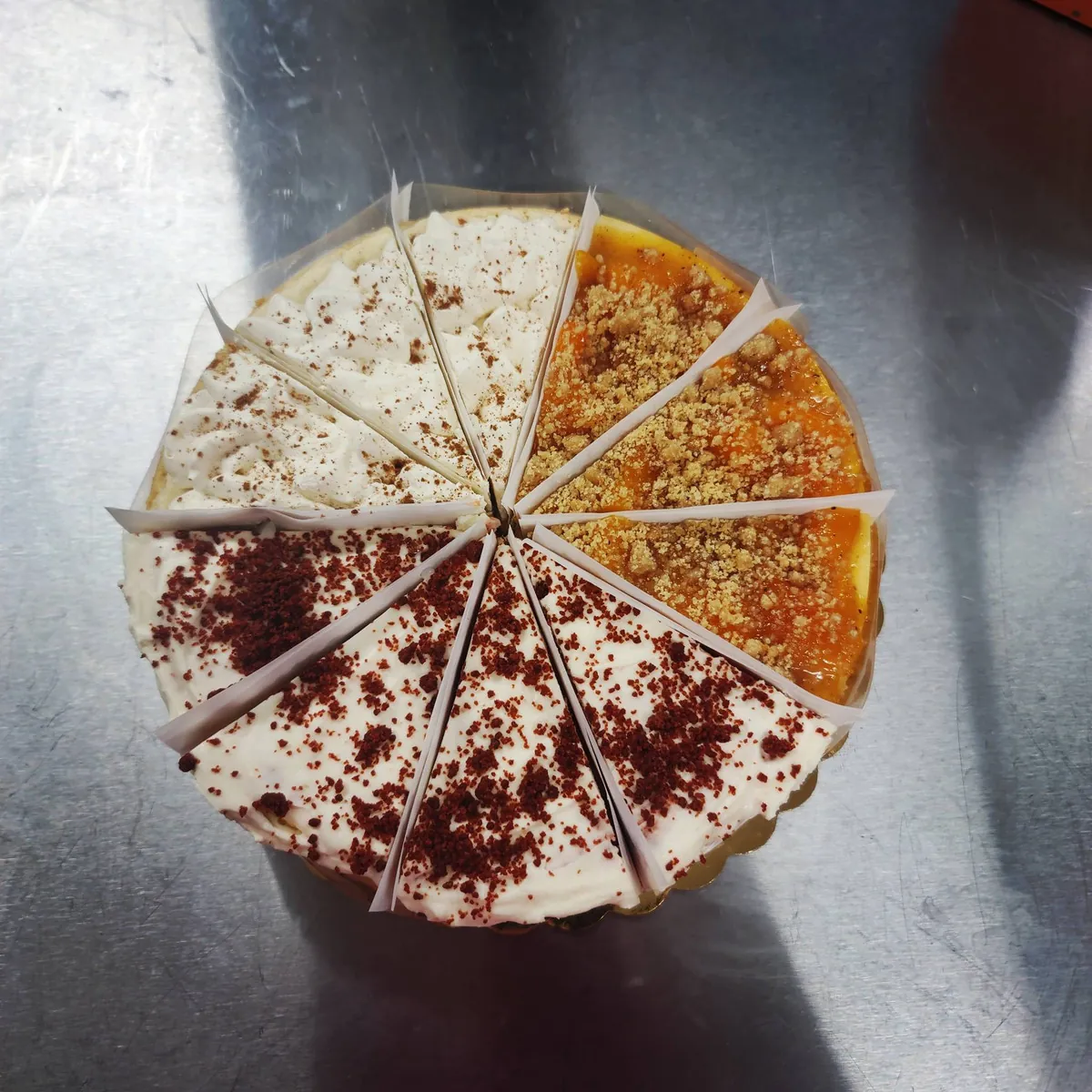
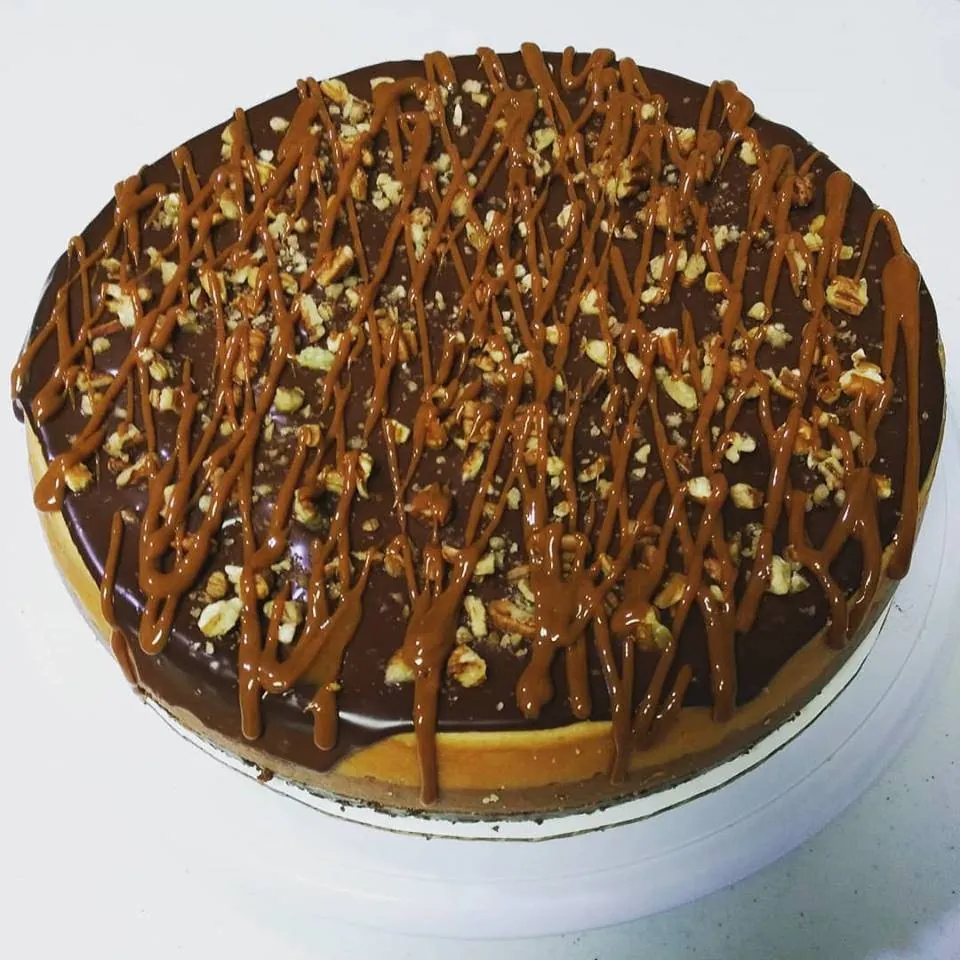
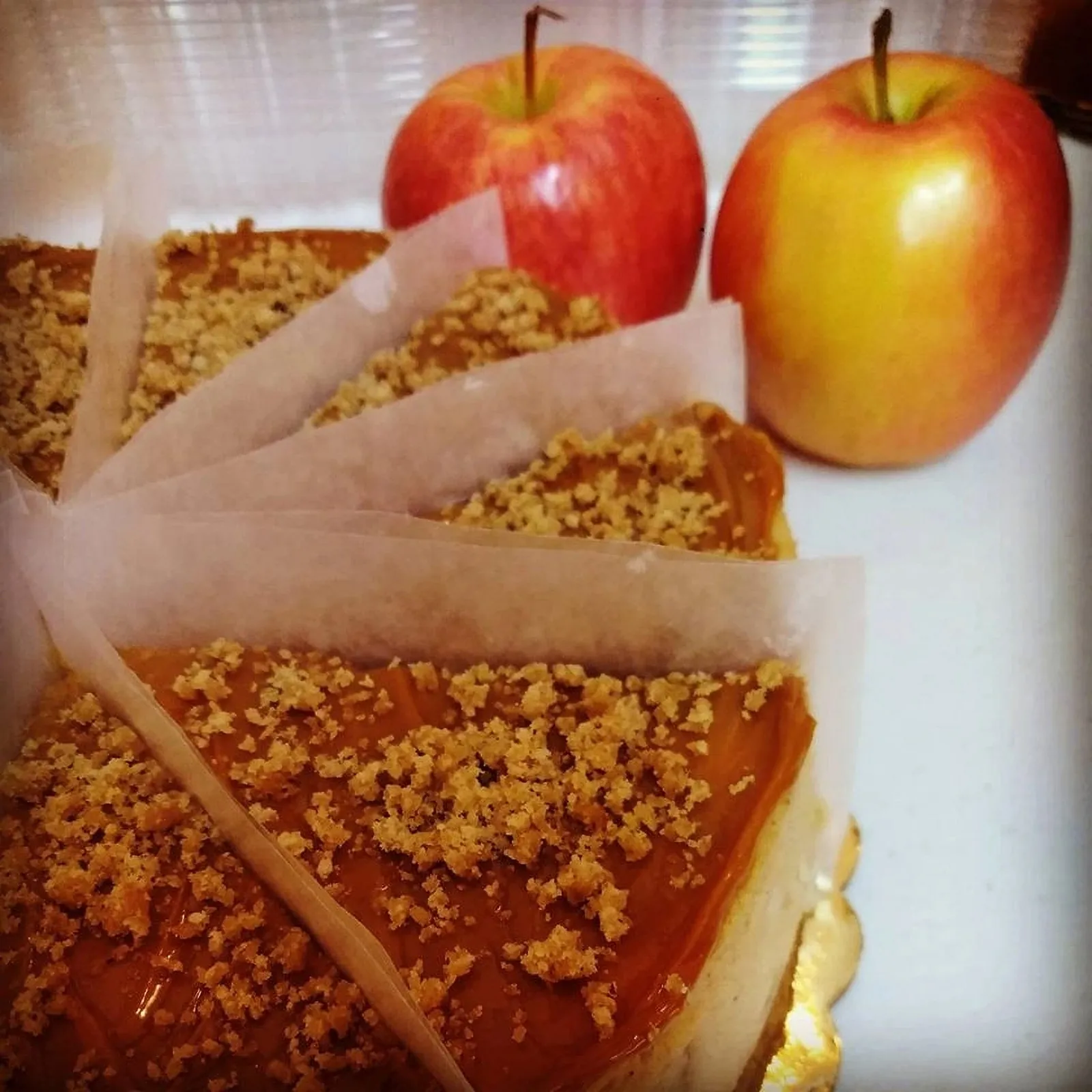
A great cheesecake can look flawless right up until the first slice. Then the filling clings to the knife, the crust crumbles, and the next piece comes out more like a scoop than a clean wedge. The good news is that neat cheesecake slices do not require a pastry-school trick. They come from a cold cake, a long sharp knife, and a simple repeatable routine.
Start with a cheesecake that is properly chilled
Cheesecake cuts best when it is cold and fully set. A soft, newly cooled cake is more likely to pull on the blade, smear at the cut edge, and lose its shape as you lift a slice. Give a baked cheesecake enough refrigerator time to firm up before you plan to serve it. If it has traveled home from a bakery, keep it chilled until you are ready to portion it.
You do not need to freeze a cheesecake solid for ordinary serving. In fact, a rock-hard cake can make the crust harder to cut cleanly. What you want is a cake that feels firm at the edge and steady at the center. If your cheesecake has been sitting out for a while, return it to the refrigerator before you start slicing. That short pause makes the knife work easier and keeps the first slice looking as good as the last. When there will be leftovers, the cheesecake storage guide can help you keep them in good shape.
This matters even more for a tall New York-style cheesecake, a sampler with several flavors, or a cake with a soft topping. Let the filling set first, then add any delicate fresh fruit, sauce, or whipped topping just before serving when possible. A cold, stable base gives you more control and keeps the finish from sliding while you work.
Use a long, sharp knife and a cake server
For an 8-inch whole cheesecake, use a long sharp knife that can reach from the outer edge toward the center in one confident motion. A chef's knife works well. A thin slicing knife can work too. The important part is a clean edge and enough length that you are not sawing through the filling in several short strokes.
Keep a small cake server or thin spatula nearby. The knife creates the slice, but the server helps you lift it without pressing against the crust or dragging the pointed tip through the neighboring piece. The first slice can be the most awkward because it has no open space around it yet. A narrow server gives you room to slide underneath, lift slowly, and move the slice to a plate intact.
Avoid using a dull knife or a heavily serrated bread knife for a creamy cheesecake. A dull blade presses down before it cuts, which creates a compressed, messy edge. A knife that is too aggressively serrated can tear at a delicate crust. The goal is a clean downward cut through the filling and crust, followed by a gentle lift.
Warm and dry the knife before every cut
The easiest way to make cheesecake slices look polished is to warm the knife, wipe it dry, cut one line, then clean it before the next line. Keep a tall glass or pitcher of hot water and a clean kitchen towel at the serving station. Dip the blade in the water, dry it completely, and make one smooth cut from the center outward.
Drying the blade matters. A wet knife can leave water on the surface of the cheesecake, while a warm dry blade glides through the filling with less sticking. After each cut, wipe off any cheesecake that clings to the blade. Rewarm, dry, and repeat. It adds a few minutes, but it prevents the creamy filling from building up and smearing across the next piece.
Do not rush by cutting the entire cake with one uncleaned knife. That is usually when the first slice looks neat and every slice after it becomes less defined. Treat each cut as a fresh start. The routine is simple: warm, dry, cut, wipe. For a celebration dessert, those small steps make the table look cared for without making serving feel fussy.

Mark the portions before you start cutting
A little portion planning saves you from ending with one generous wedge and several skinny ones. Start by deciding how many servings you need. For a family dinner, eight slices may be perfect. For a larger gathering, you may want 10, 12, or more modest portions. Ask the bakery about the intended serving count for the cheesecake you ordered, especially if the cake is tall or the guest list is important. For a crowd, the 100-guest dessert guide gives a helpful planning starting point.
For even wedges, first cut the cake in half. Cut each half in half again to make quarters. From there, divide each quarter into two or three pieces depending on the number of servings you need. This is easier than trying to estimate every wedge one at a time around the whole cake. The center becomes your reference point, and the slices stay closer in size.
You can also make light guide marks around the edge before cutting all the way through. Keep the marks subtle. You are not trying to score deep lines into the finished cake. You are simply giving yourself a visual map, so the final servings feel fair and the last few guests are not left choosing between an oversized slice and a sliver.

Cut straight down, then pull the blade out cleanly
Place the tip of the knife at the center and make a steady cut straight down through the filling and crust. There is no need to saw back and forth. Let the warm sharp blade do the work. Once you reach the serving board or cake base, pull the knife back out along the same path instead of lifting it through the top of the cheesecake.
That clean exit helps protect the surface. Lifting the blade upward can pull the filling at the top edge and leave a rough line between slices. Pulling the blade back along the cut keeps the top smoother. Then wipe the blade, warm it again, and make the matching cut for the wedge.
If the crust resists, use gentle, even pressure instead of pushing hard. A firm crust should yield to a sharp knife. If the cake is sitting on a cardboard round, be mindful of the final contact at the base so you do not drag crumbs back into the filling. The goal is not speed. It is one clean cut at a time.
Lift and plate the first slice carefully
The first slice sets the tone for the rest of the cake. Once you have cut both sides of the wedge, slide a thin cake server underneath it from the outer edge toward the center. If the slice does not move easily, run the server gently along the base to loosen it. Do not pry upward from the pointed end, where the filling is most likely to crack.
Lift the slice in one calm motion and move it directly to a plate. A second small spatula can help guide the back edge if the slice is especially tall. Once there is an open space in the cake, the remaining slices become easier to remove because you have room to slide the server in from the side.
For a dessert table, plate a few slices ahead only when you know they will be served soon. Otherwise, keep the cheesecake cold and slice as the table opens. Freshly cut pieces look their best, and the cake stays more stable when it is not sitting out for an extended period.

Choose the serving style before you order
Whole cheesecake is a beautiful choice when dessert is a seated moment, a family dinner, or a small celebration with someone available to slice and serve. It creates the classic cake-table experience and gives guests a full, satisfying portion. But it also asks the host to think about plates, utensils, serving time, and refrigerator space. The whole cheesecake options are a good place to start when that is the experience you want.
For office events, open houses, and gatherings where guests arrive in waves, individual desserts can take pressure off the serving table. Cheesecake minis are easy to pick up and give guests flavor choice without waiting for someone to cut a slice. Truffles and other small treats can round out a dessert table when you want guests to sample more than one option.
Cheesecake Carousel offers whole cakes, samplers, minis, and truffles for different kinds of celebrations. Browse the current menu when you are deciding on a format. For a larger gathering, the mini versus full-size cheesecake guide can help you match the dessert to the guest flow before you place the order.
Make the last slice look as good as the first
A clean serving routine is mostly about patience. Keep the cake cold. Use a warm dry knife. Wipe it after every cut. Make the portions before you start. Slide a server under each piece instead of forcing it out. Those habits are small, but they protect the creamy texture and give every guest a slice that feels intentional.
If you are planning a birthday, shower, office celebration, wedding table, or family dinner, start with the number of guests and the kind of dessert moment you want. A whole cheesecake can be the centerpiece. Minis and truffles can make a large crowd easier to serve. Couples planning a larger cake moment can also see the cheesecake wedding cake options. For help choosing the mix, use the catering and events page or contact Cheesecake Carousel with your date, guest count, and serving plan.
The best cut is the one that lets everyone enjoy dessert without turning the host into a stressed-out line cook. Plan the portions, take your time with the knife, and let the cheesecake do the rest.
Frequently asked questions
Should cheesecake be cold before cutting?
Yes. A chilled, fully set cheesecake is easier to portion cleanly because the filling holds its shape and is less likely to smear or stick to the knife.
Why should I warm the knife before slicing cheesecake?
A warm, dry knife glides through the creamy filling more cleanly. Wiping and warming it between cuts keeps filling from transferring onto the next slice.
How many slices can I get from an 8-inch cheesecake?
That depends on how generously you serve it. Eight slices suit a small dinner, while 10 to 12 more modest portions can work for a larger gathering. Confirm the intended serving count for the specific cake you order.
Are cheesecake minis easier to serve at a party?
Usually, yes. Minis are especially useful when guests are standing, arriving at different times, or choosing from several dessert flavors because there is no slicing or plating step.